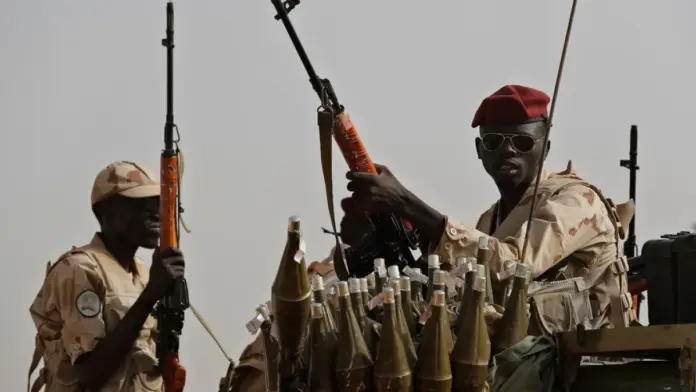
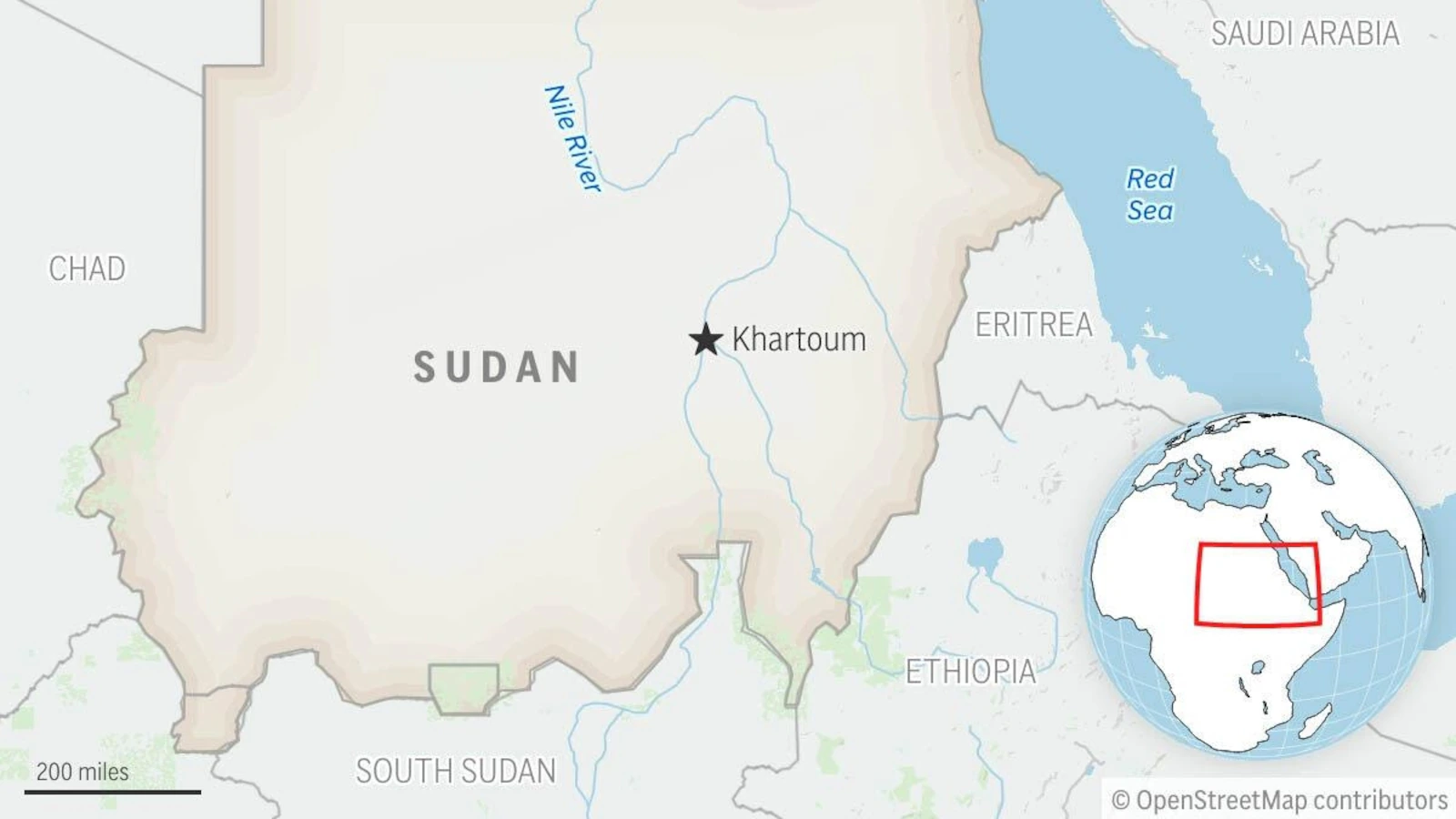
DILLING, South Kordofan — Rapid Support Forces artillery rained down on residential neighbourhoods in Dilling on Saturday night, killing at least 14 civilians and wounding 23 others in one of the deadliest single strikes to hit the South Kordofan capital in recent weeks. Five children and two women were among the dead. Seven of the wounded were also children.
The Sudan Doctors Network disclosed the casualty figures on Sunday, describing the bombardment — carried out jointly by the RSF and its allied faction, the Sudan People’s Liberation Movement–North (SPLM-N) — as lasting several hours and striking squarely into civilian areas. The RSF offered no comment on the report.
Dilling, the administrative capital of South Kordofan province, has endured more than two years under RSF siege. Earlier this year, the Sudanese army managed to break that blockade temporarily, but Saturday’s assault marked the second consecutive day of heavy shelling, underscoring how precarious any relief has proven. The Sudan Doctors Network warned of extremely difficult humanitarian and health conditions inside the city, compounded by a severe shortage of medical personnel capable of treating the surge of casualties.
The network issued an urgent appeal to the international community to take immediate action against RSF violations and called on humanitarian organisations to extend greater protection to civilians trapped in the conflict zone.
The strike on Dilling is part of a broader pattern of relentless violence across Darfur and the Kordofan region, where deadly attacks — the majority carried out by drones — have been recorded almost daily. The UN Human Rights Office documented more than 500 civilian deaths from drone strikes alone as of mid-March this year.
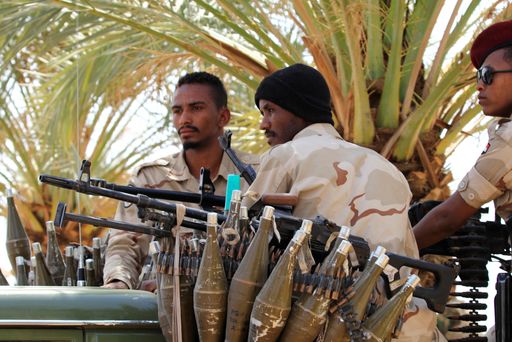
The scale of atrocities elsewhere in Sudan has drawn international condemnation. When RSF forces invaded el-Fasher in October, more than 6,000 people were killed over three days in what the UN Human Rights Office described as violence shocking in its scale and brutality. United Nations-commissioned experts concluded the el-Fasher assault bore the hallmarks of genocide — a characterisation that has intensified pressure on the international community to act.
The war between the Sudanese army and the RSF erupted in mid-April 2023, rooted in a fundamental dispute over plans to integrate the paramilitary force into the regular military. What began as an institutional power struggle has since metastasised into one of the world’s gravest humanitarian emergencies. UN figures place the overall death toll above 40,000 over three years of fighting, while nearly 13 million people have been forced from their homes. More than 33 million — roughly two-thirds of Sudan’s population — are now dependent on humanitarian assistance.
Both the Sudanese army and the RSF face accusations of war crimes and crimes against humanity. The International Criminal Court is actively investigating alleged atrocities committed by both sides, though accountability mechanisms have so far done little to slow the violence on the ground.
The attack on Dilling illustrates the compounding cruelties of a conflict in which civilian infrastructure, medical capacity, and basic protections have been systematically eroded. With hospitals understaffed, supply lines severed, and shelling recurring night after night, residents of South Kordofan face a humanitarian catastrophe that aid organisations warn is deepening faster than the world’s response.