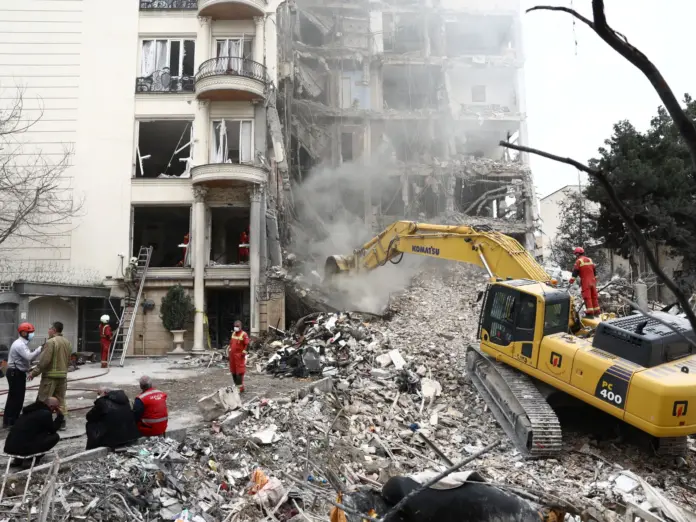
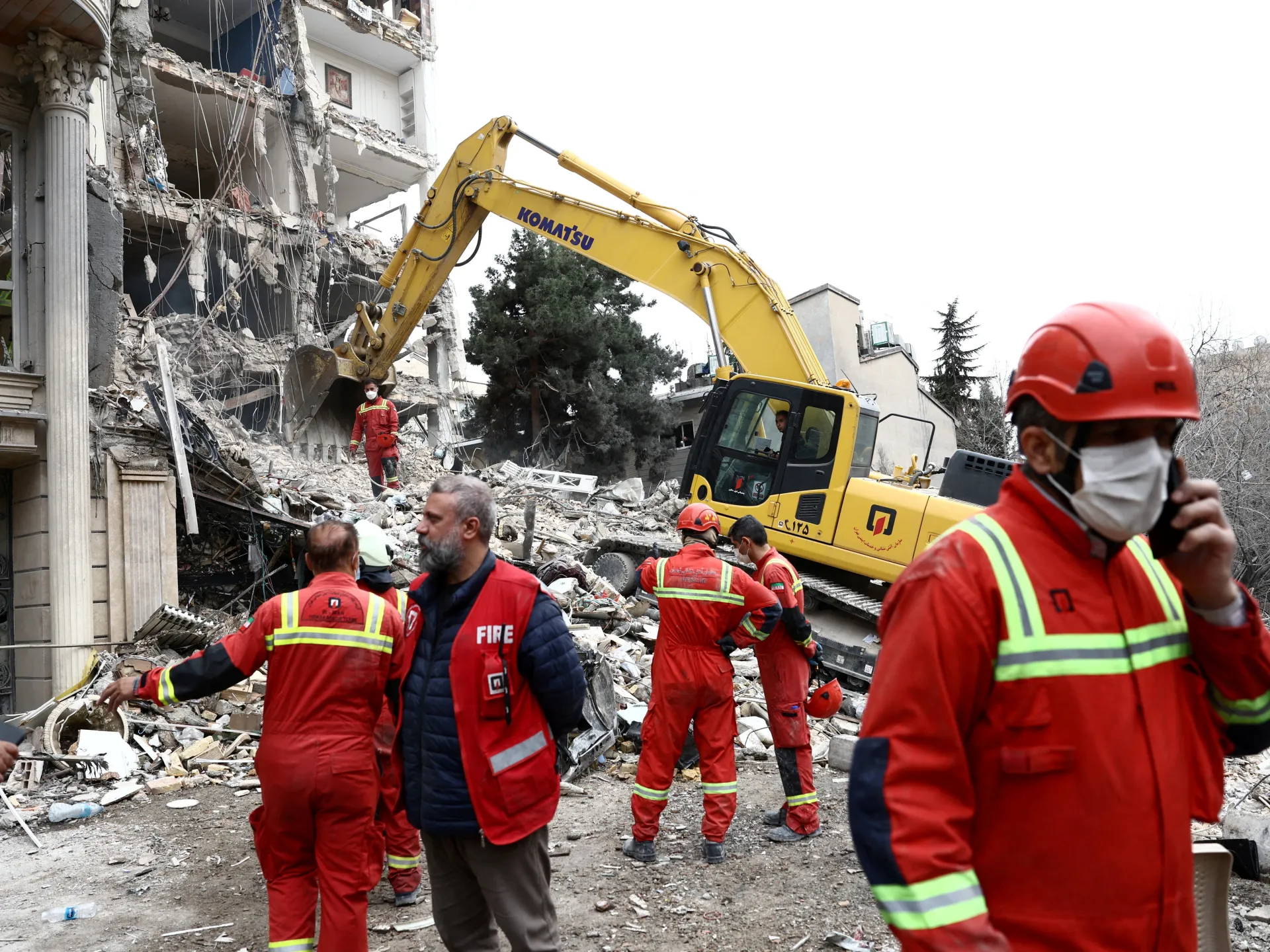
Iranian ballistic missiles struck multiple areas of Tel Aviv on Tuesday, the 25th day of a war that has reshaped the Middle East since Israeli and American forces launched the opening strikes against Iran on February 28. At least four people were killed and hundreds more injured as one missile landed directly on a crowded city street, igniting several vehicles and severely damaging three buildings. The warhead involved carried close to 100 kilograms of explosive payload. Debris from an intercepted missile also fell near Rosh HaAyin in central Israel, causing minor damage, while a large fragment landed near a Palestinian town in the occupied West Bank.
Israel’s Health Ministry reported that 4,829 people have been brought to hospitals since the war began, with 111 still hospitalised and 12 in serious condition. Across the conflict as a whole, the human toll has grown staggering: at least 1,500 people killed in Iran and 18,551 injured; at least 1,039 killed in Lebanon and 2,583 wounded; and 18 killed in Israel with 4,697 injured.
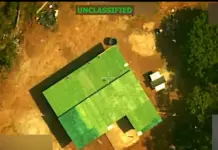
The Israeli military struck back hard, hitting 50 targets inside Iran including weapons storage facilities, air defence systems, and government buildings. Among the sites destroyed were two IRGC intelligence headquarters and one Iran Intelligence Ministry building in Tehran. Israeli air strikes also targeted ballistic missile storage depots. The IRGC said it intercepted and destroyed an Israeli Hermes drone over the capital. Overnight strikes by US and Israeli forces on residential areas in Tabriz killed at least six people and wounded nine others.
On Lebanon’s southern front, Israeli strikes hit the outskirts of al-Haniyah and al-Qulaylah in the Tyre district, and a separate attack targeted Hezbollah infrastructure in Beirut’s southern suburbs. Two people were killed in the town of Bshamoun. Air raid sirens sounded across Acre and the Krayot suburbs of Haifa after Hezbollah launched a rocket barrage from Lebanese territory; the Israeli army said most projectiles were intercepted with no confirmed impacts or injuries in the Haifa area.
The war’s geographic reach extended further east on Tuesday. Iraq‘s autonomous Kurdish region accused Iran of launching two ballistic missile attacks against its peshmerga armed forces, killing six people and wounding 30 others. Explosions were also heard in the Iraqi capital Baghdad. A gas pipeline at Iran’s Khorramshahr power plant was struck in a separate incident, though officials reported no casualties or operational disruption.
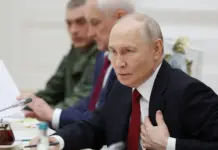
Diplomatic signals remained deeply contradictory. US President Donald Trump stated that discussions with Iran are ongoing and that a broader agreement may be within reach, adding that he had spoken with Israeli Prime Minister Benjamin Netanyahu about converting military gains into a negotiated settlement. Tehran rejected those claims outright. Iran’s parliamentary speaker, Mohammed Bagher Ghalibaf, dismissed Trump’s assertions as "fake news" and a "big lie." Iranian Foreign Minister Abbas Araghchi stated separately that Iran’s position on the Strait of Hormuz had not changed.
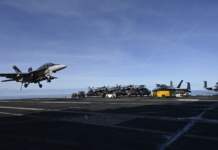
Trump had issued a 48-hour ultimatum over the weekend demanding Iran reopen the Strait of Hormuz, threatening to "obliterate" Iranian power plants if Tehran failed to comply. On Monday, he extended that deadline by five days and ordered the US military to postpone planned strikes on Iranian energy infrastructure. US Central Command confirmed that American forces continue to conduct aggressive strikes against targets inside Iran.
The conflict is straining the broader Gulf region. Kuwait‘s air defences responded to incoming missile and drone threats at least seven times in a single night. Saudi Arabia intercepted approximately 20 drones targeting its Eastern Province. The United Kingdom announced it is deploying short-range air defence systems to the Middle East in response to the Iranian missile threat. Pakistani Prime Minister Shehbaz Sharif held a phone call with Iranian President Masoud Pezeshkian to discuss the deteriorating situation in the Gulf.
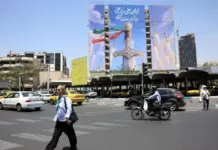
Inside Iran, a nationwide internet blackout entered its 25th consecutive day, surpassing 576 hours of disruption. Senior IRGC officer Mohsen Rezaee warned that Iran would paralyse US forces and sink American vessels in the Arabian Gulf if strikes on Iranian infrastructure continued. The IRGC also accused Israel of committing extensive war crimes against civilians in Lebanon and Palestine.
In the occupied West Bank, five Palestinian workers from the village of Nahalin were injured in hit-and-run attacks carried out by Israeli settlers, while Israeli forces detained five Palestinian workers from the village of Husan — incidents that underscored the widening civilian toll of a conflict now entering its fourth week with no ceasefire in sight.