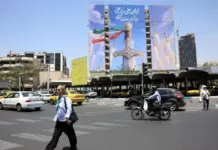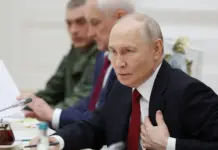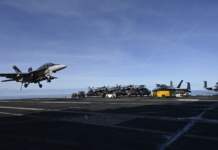
Lebanon is engulfed in a rapidly escalating war that has displaced 517,000 people, killed nearly 400 in a single week, and drawn the country into a broader regional confrontation following the assassination of Iranian Supreme Leader Ali Khamenei by joint Israeli and United States air strikes on February 28.
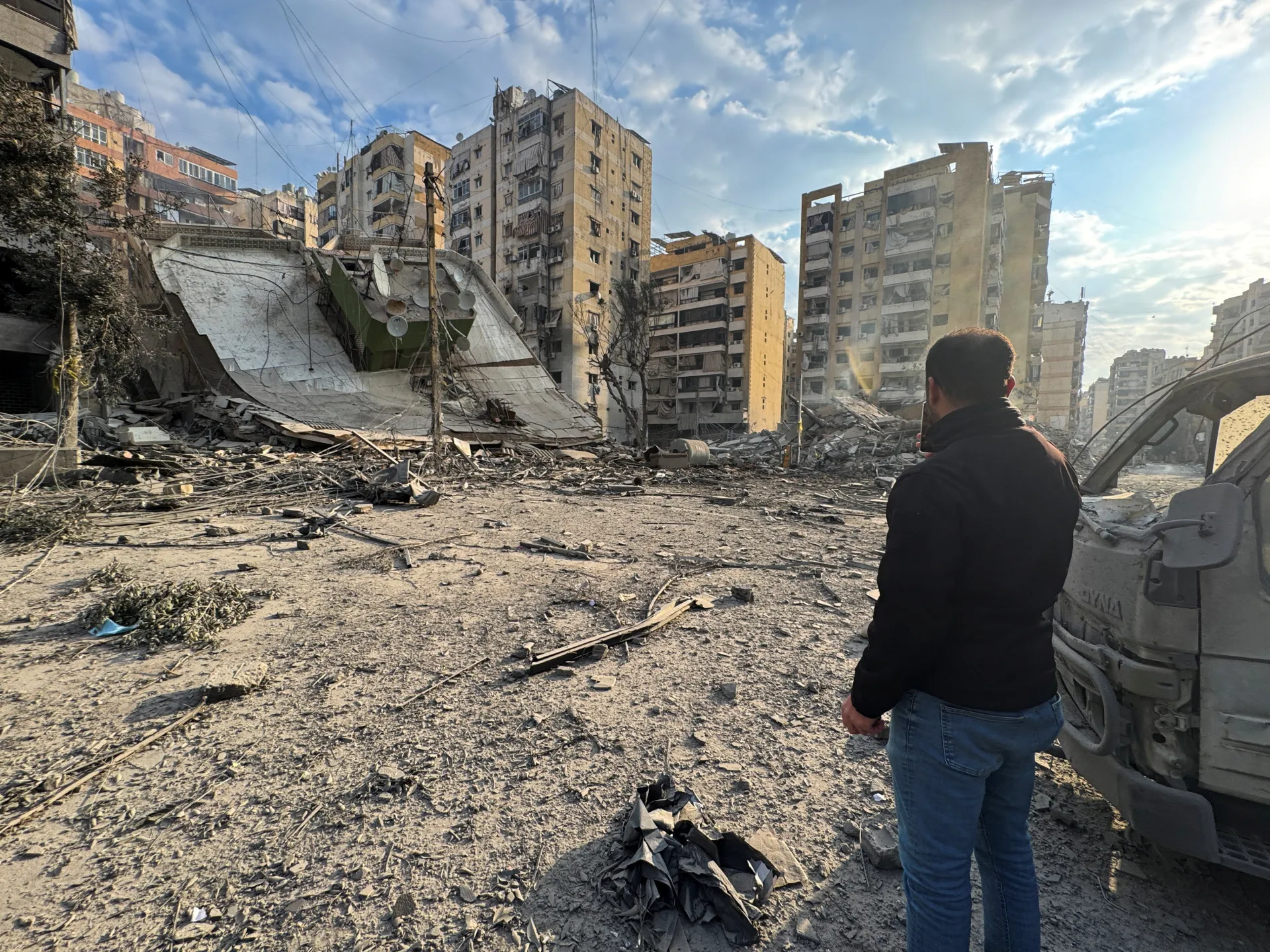
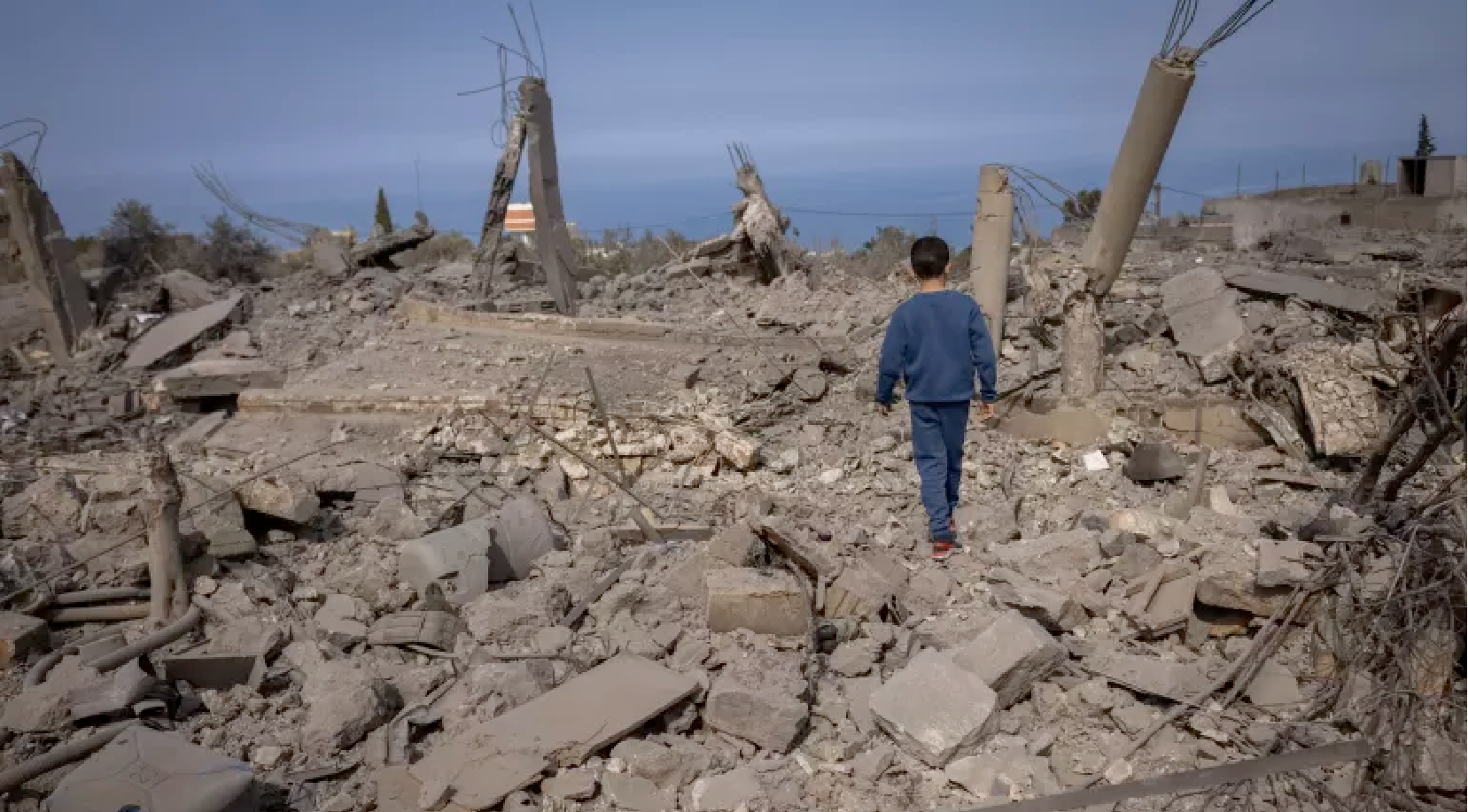
Lebanon’s Social Affairs Minister Haneen Sayed confirmed that 517,000 people had registered as displaced since fighting resumed, with 117,228 of them sheltering in government facilities. The scale of displacement reflects a mass humanitarian crisis triggered in large part by Israeli military orders issued in rapid succession — on March 5, all residents of southern Lebanon were told to move north of the Litani River, and on March 6, residents of Beirut’s southern suburbs, including the densely populated district of Dahiyeh, were ordered to evacuate.
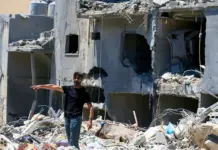
The Lebanese Ministry of Public Health recorded 394 deaths in a single week, among them 83 children, 42 women, and 9 rescue workers. Israeli Finance Minister Bezalel Smotrich has threatened to reduce Beirut’s southern suburbs to the same condition as Gaza, a statement that has drawn international alarm.
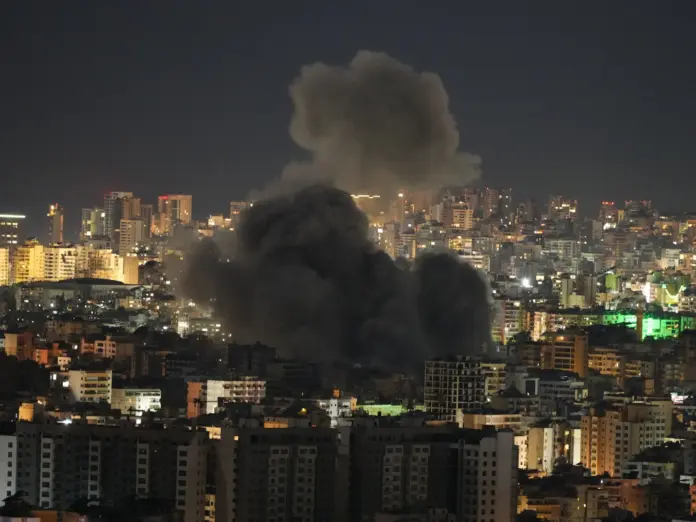
The violence reached one of Beirut’s most recognisable neighbourhoods early Sunday when an Israeli drone struck a hotel room in Raouche, a seafront district that had been spared during the previous Israel-Hezbollah war, which ended with a ceasefire in November 2024. Lebanese health officials confirmed at least four people were killed and 10 wounded. Israel claimed the strike eliminated five senior commanders of Iran’s elite Quds Force. Thousands of displaced Lebanese had sought refuge in Raouche before the strike, drawn by its prior status as a relatively safe zone.
Israel formally declared the November 2024 ceasefire over on Monday, though United Nations peacekeepers had already documented more than 10,000 Israeli violations of that agreement. The ceasefire’s collapse followed Hezbollah’s decision — two days after Khamenei’s killing — to fire on Israeli military sites for the first time in over a year. On Monday, Hezbollah launched rockets and drones into Israel in explicit retaliation for the Iranian supreme leader’s death. Israel responded with air assaults across southern Lebanon, the eastern Bekaa Valley, and Beirut’s southern suburbs.
Israeli ground forces have simultaneously pushed several kilometres into southern Lebanon, seizing hilltops near the border. Tanks and armoured bulldozers have massed at the frontier, and clashes were reported near the border town of Aitaroun on Sunday. Israel has occupied five positions in southern Lebanon since the 2024 ceasefire. Two Israeli soldiers have been killed since fighting resumed, including Master Sergeant Maher Khatar, 38, from Majdal Shams, who died during combat operations in the south.
Hezbollah has maintained a daily barrage of rockets and drones into northern Israel, demonstrating the capacity to strike cities as far south as Nahariya and Haifa. The group has also engaged Israeli forces in the eastern Bekaa Valley and continues to contest ground in the south. Israel claims to have killed approximately 200 Hezbollah fighters since hostilities resumed; Hezbollah has not released its own casualty figures.
Lebanese Prime Minister Nawaf Salam stated plainly that Lebanon had been pulled into a devastating war it did not seek or choose. The Lebanese government has declared Hezbollah’s military activities illegal, yet the country bears the full weight of the conflict’s consequences. Dahiyeh, Hezbollah’s stronghold in Beirut’s south, was subjected to nightly bombardment for nearly two months during the 2023-2024 war and now faces renewed Israeli threats of destruction.
The current hostilities are unfolding against a broader regional rupture. The February 28 assassination of Khamenei — carried out in a sustained Israeli-American operation — triggered a second week of direct war against Iran at the time of reporting, a conflict whose full dimensions continue to unfold. Hezbollah, which draws its core support from southern Lebanon, Dahiyeh, and the Bekaa Valley, has re-entered the fight as Iran’s most capable regional proxy.
Lebanon’s history with Israeli military intervention is long and devastating. Israel invaded in 1982, ostensibly to dismantle the Palestine Liberation Organization, killing approximately 19,000 Lebanese and Palestinians before an 18-year occupation ended in 2000 when Hezbollah forced a withdrawal. The current conflict, with its mass displacement, civilian death toll, and explicit threats to level entire urban districts, is drawing comparisons to the worst chapters of that history — and it shows no sign of abating.