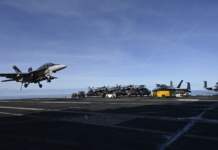
Israel launched a ground invasion of southern Lebanon on Monday, sending troops across the border alongside waves of aerial bombardment as a rapidly expanding regional war drew in Iran, the United States, and multiple countries across the Middle East. The offensive has killed at least 72 people in Lebanon — including seven children — wounded 437 others, and forced more than 83,000 from their homes in just days, according to the Lebanese Health Ministry and humanitarian agencies.
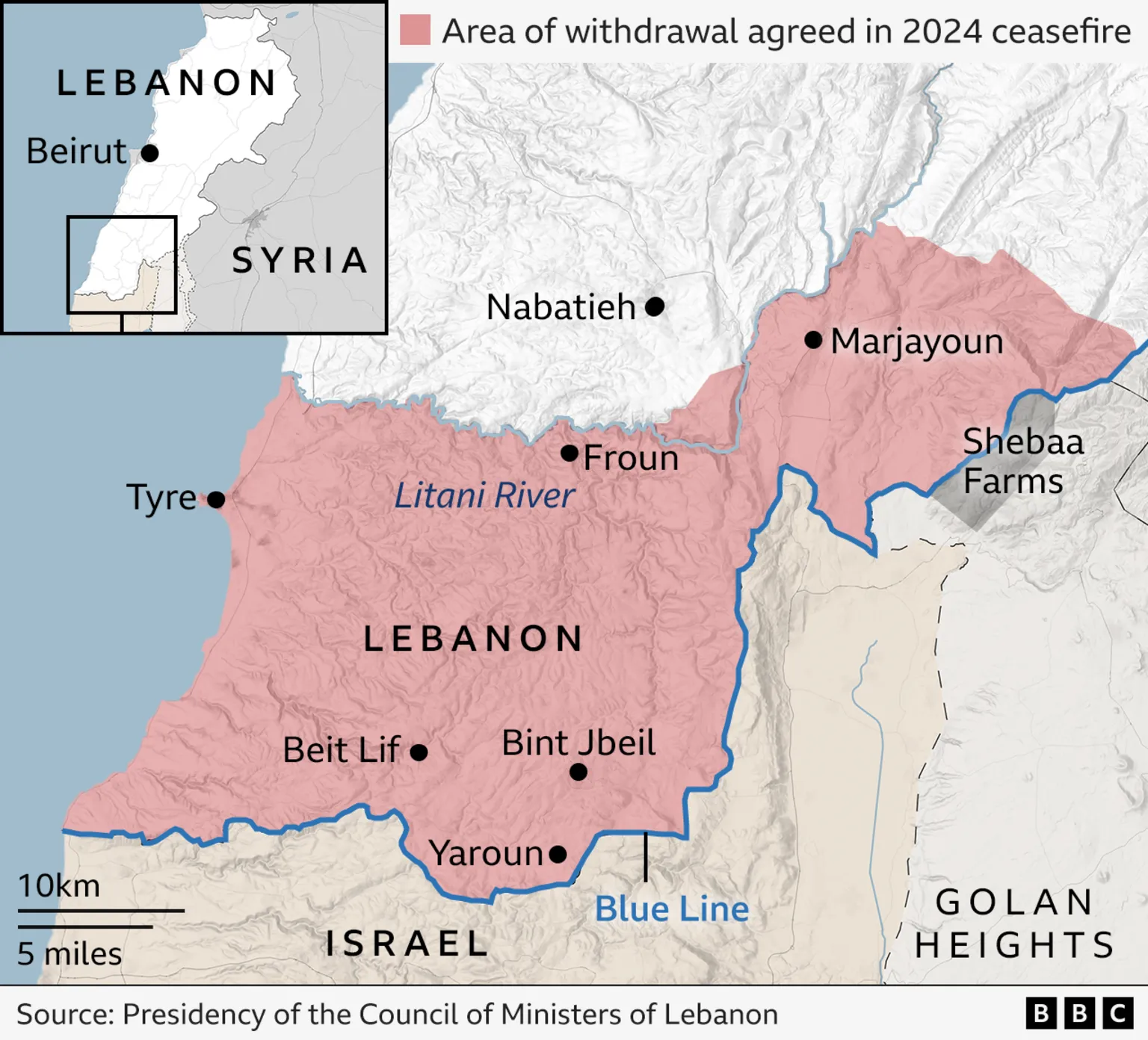
The Israeli military issued a sweeping forced evacuation order on Wednesday, instructing all residents of southern Lebanon to move north beyond the Litani River immediately. Hours after the order was issued, the military announced it had begun ‘a wave of strikes’ across the south. Israeli warplanes levelled at least five residential buildings in Beirut’s southern suburbs, with strikes this week concentrated heavily on Dahieh — the densely populated heartland of both Hezbollah and Lebanon’s Shia Muslim community.
In a strike that significantly widened the conflict’s geographic footprint, an early Wednesday attack hit a hotel in an upscale, Christian-majority suburb in eastern Beirut, less than a mile from the presidential palace. One person was taken to hospital with serious injuries. The Israeli military had not commented on the attack.
The cascade of violence traces back to Saturday, when Israel and the United States launched coordinated strikes on Iran, killing Supreme Leader Ayatollah Ali Khamenei. The strikes triggered a sweeping Iranian retaliation: Tehran launched missile and drone attacks on numerous countries across the region, killing at least six US service members and 11 people inside Israel. Iranian news agency Tasnim reported more than 1,000 deaths inside Iran since Saturday.
Hezbollah, the Iran-backed Shia militia and political party proscribed as a terrorist organisation by the United States, United Kingdom, and other countries, responded to the strikes on Iran by launching rockets and drones toward Israeli territory on Monday morning — the first such action since a ceasefire reached in November 2024 that had formally ended 13 months of war between the two sides. Israel had continued to carry out near-daily strikes on Lebanon throughout the ceasefire period, targeting what it described as Hezbollah infrastructure.
Hezbollah announced more than a dozen military operations against Israel on Wednesday alone, encompassing rocket launches and direct clashes with Israeli ground troops in the south. In a televised address, Hezbollah leader Naim Qassem demanded Israel end its military aggression and withdraw all forces from Lebanese territory.
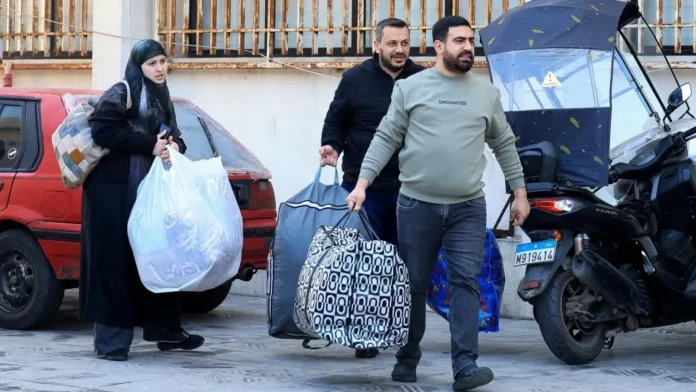
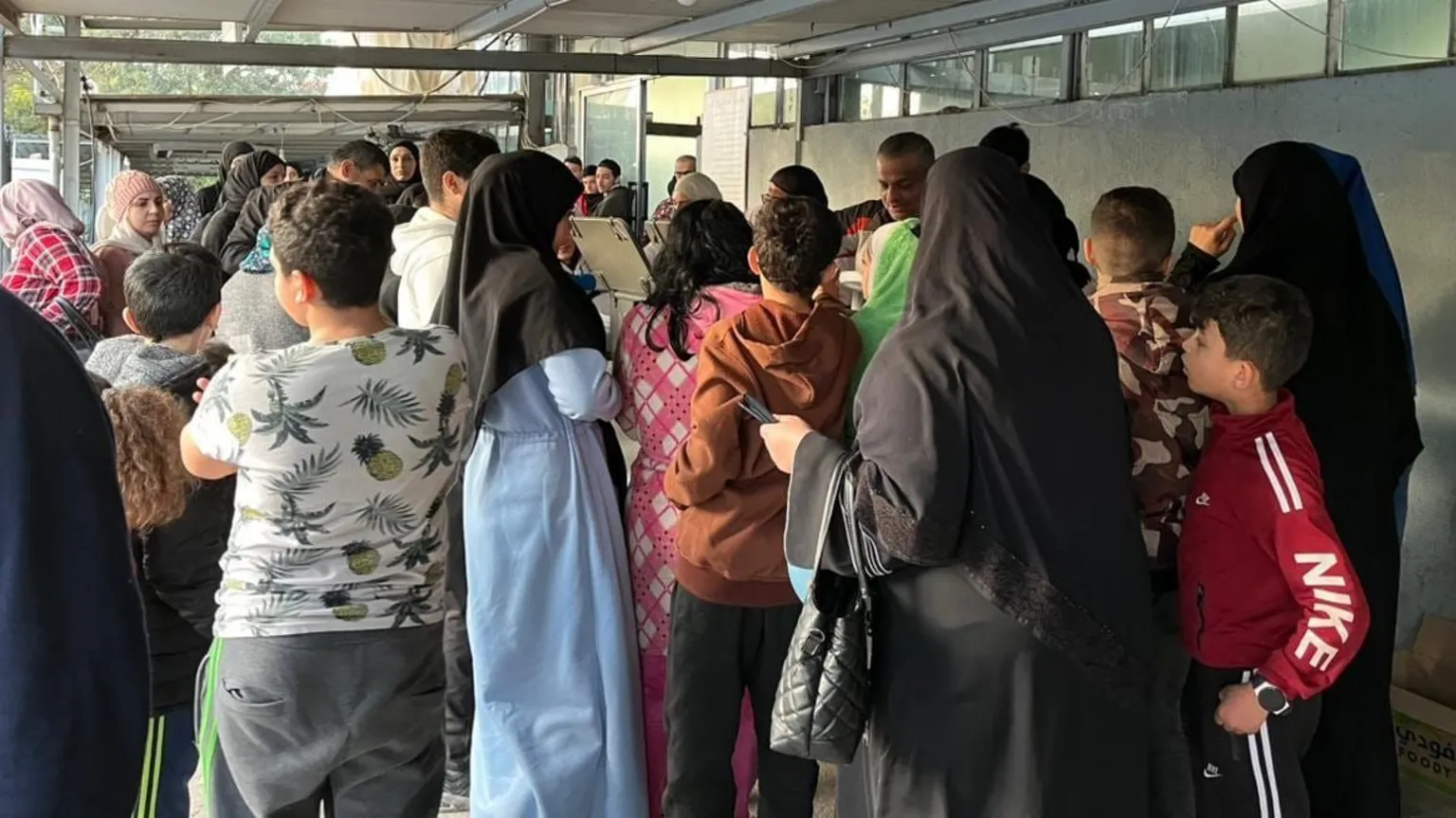
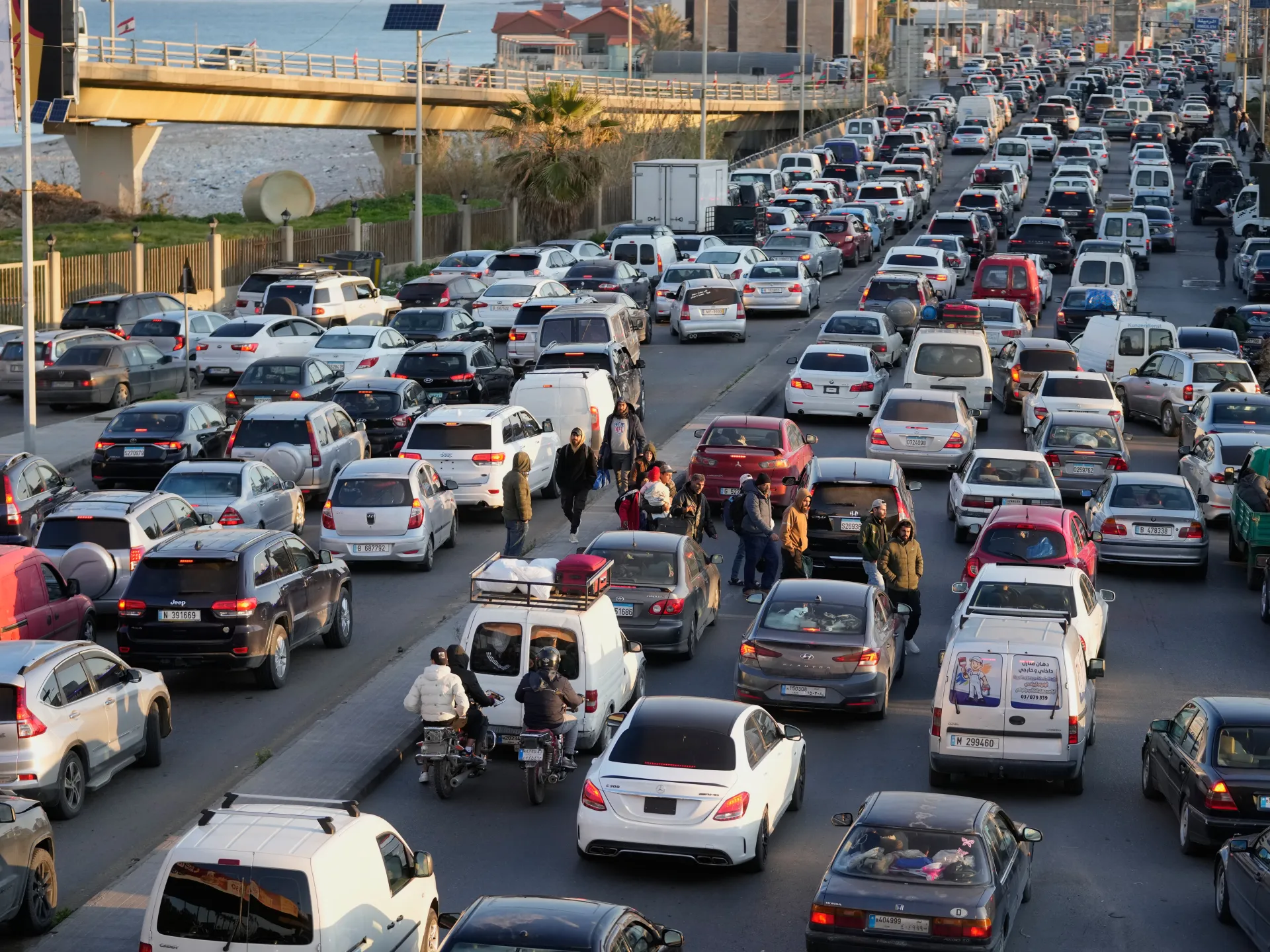
The human toll on Lebanese civilians is mounting rapidly. Displaced families have fled from southern Lebanon, the eastern Bekaa Valley, and the Dahieh suburbs of southern Beirut, with many sleeping on roadsides, in parks, in cars, and in makeshift shelters across the capital. A displacement camp on the outskirts of Beirut held hundreds of people preparing for Iftar on Tuesday evening. UNICEF reported that over 12,000 families have sought refuge across more than 300 shelters opened nationwide, with dozens already at full capacity. The agency also noted that tens of thousands of Lebanese had already been displaced before this week’s escalation began.
Lebanese political leaders are scrambling to contain the crisis. Prime Minister Nawaf Salam pledged his government would ‘spare no effort’ to end the war and help displaced families return home. President Joseph Aoun appealed directly to the US ambassador to Lebanon, urging Washington to intervene and halt the Israeli offensive — a request that underscores the extent to which American involvement now shapes every dimension of the conflict.
The current fighting represents a dramatic rupture from the fragile calm that had held since November 2024. That ceasefire ended more than a year of cross-border warfare that itself grew out of Israel’s military campaign in Gaza, which began in October 2023. The killing of Khamenei has shattered any remaining diplomatic architecture, pulling the United States deeper into direct confrontation with Iran and transforming what had been a contained regional proxy conflict into an open, multi-front war with no clear off-ramp in sight.