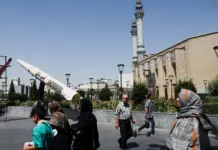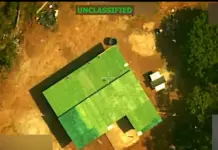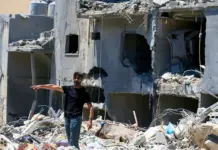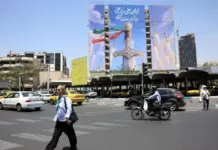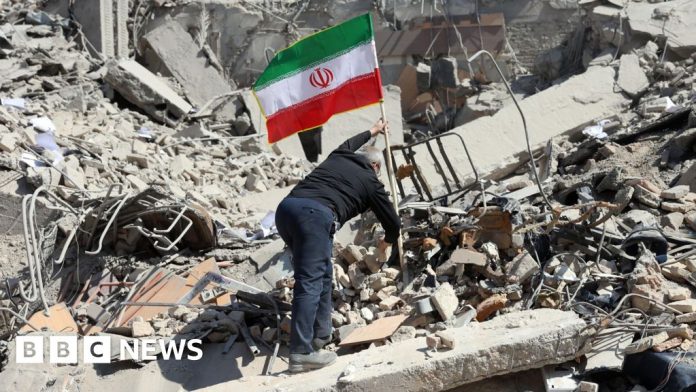
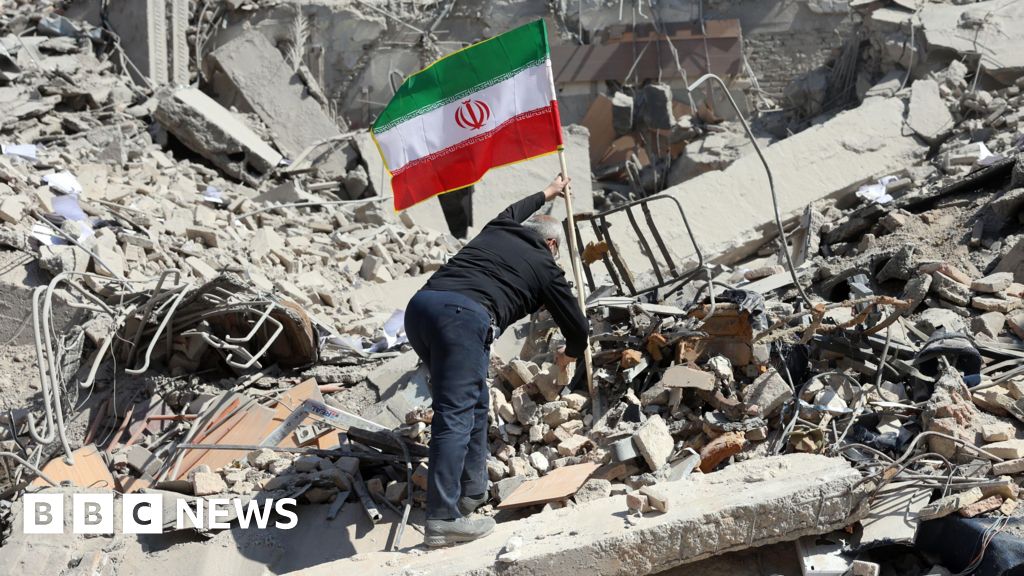
Tehran — A sweeping US-Israeli military campaign launched on 28 February has killed Iran’s Supreme Leader Ayatollah Ali Khamenei and plunged the country into crisis, with strikes targeting military and political infrastructure across multiple cities while civilians bear an escalating toll.
Khamenei died in the opening wave of strikes, a development that has sent shockwaves through Iran’s political establishment and triggered sharply divided public reactions. Some Iranians took to the streets to celebrate his death, while government authorities simultaneously organised public mourning ceremonies — a stark illustration of the fractured sentiment gripping the country.
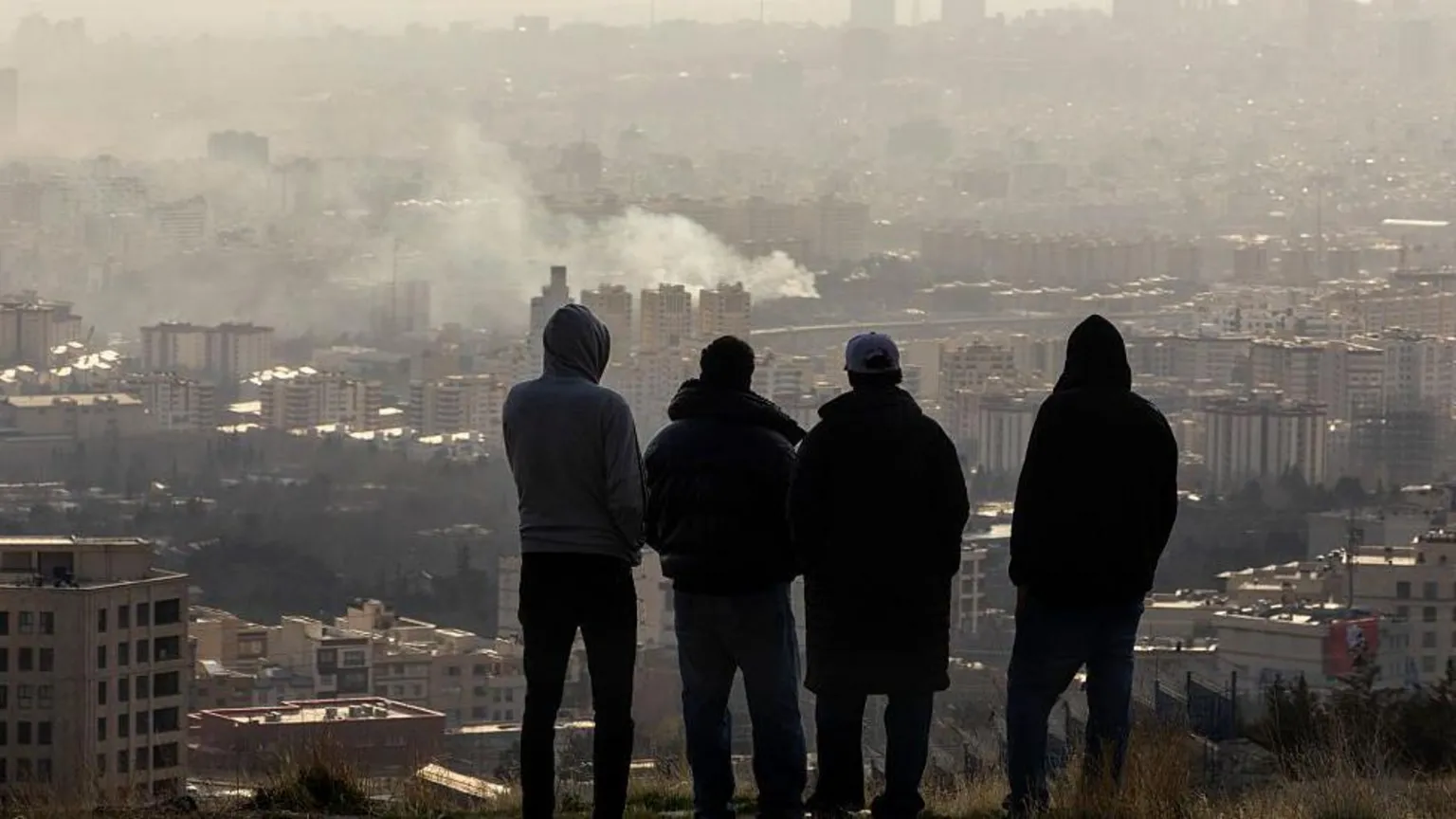
Air attacks have continued unabated in the days since Khamenei’s death. Tehran, the capital, has been under sustained bombardment, with the Shariati neighbourhood — home to numerous military facilities — among the most heavily targeted areas. Fighter jets pass constantly overhead in Zanjan, a city roughly 275 kilometres north-east of Tehran, which was subjected to intense bombing during the first three days of the campaign. Columns of smoke rising from strike sites have blanketed affected areas in a near-permanent haze.
The human cost has drawn urgent international attention. More than 160 people, among them children, were killed when a girls’ school was struck in Minab, a city in Iran’s southern Hormozgan province. The White House confirmed it is investigating the incident, reiterating that the United States does not deliberately target civilians. No further details about the circumstances of the strike have been released.
On the ground, daily life has been severely disrupted. Most shops in Tehran remain shuttered, and cash machines in parts of the city have gone offline. Supermarkets and bakeries are still operating, but queues for bread and petrol have grown dramatically. Prices for basic staples — eggs, potatoes, and other essentials — have surged sharply as supply chains buckle under the pressure of sustained conflict.
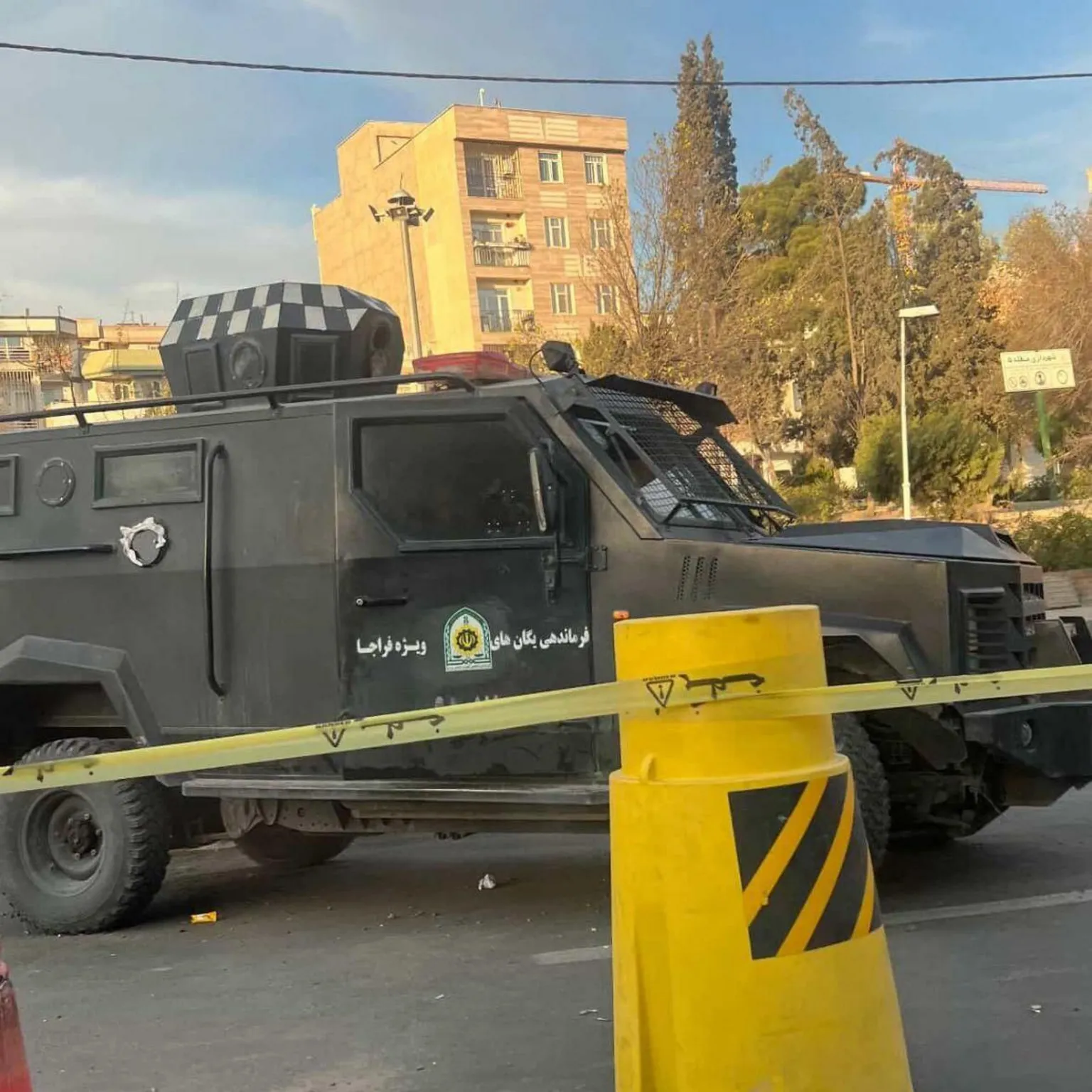
The majority of residents in affected areas are staying indoors, venturing out only to secure food and fuel. The Iranian regime has responded to the internal instability by significantly increasing its security presence on city streets, a move that has added to the atmosphere of tension and fear.
Internet access has been severely curtailed. Connectivity was cut in some areas as early as midday on the first day of strikes, with outages lasting up to two days in certain locations. Residents are relying on Virtual Private Networks to circumvent government-imposed blocks and access information from outside the country — a workaround that has become essential as official communications grow increasingly restricted.
Documenting conditions inside Iran remains difficult. International journalists are routinely denied visas to enter the country, and the combination of internet blackouts and heightened security has made independent verification of events on the ground exceptionally challenging. The picture emerging is drawn largely from accounts by those living through the strikes.
The targeting of both military installations and senior political figures signals a campaign of considerable strategic ambition. The United States and Israel have framed their operations as directed at military and political sites, though the strike on the Minab school has raised serious questions about the precision and oversight of the campaign — questions the White House has yet to fully answer.
Iran now faces an acute leadership vacuum following Khamenei’s death, with no immediate clarity on succession or the regime’s capacity to mount a coordinated response. The coming days are likely to prove decisive in determining both the military trajectory of the conflict and the political future of the Islamic Republic.