The United States and Israel have launched more than 2,000 strikes against Iran since the conflict erupted, yet a growing debate over munitions sustainability is shadowing the military campaign — with senior officials offering conflicting assurances about how long the war can be sustained and at what cost.
President Donald Trump has publicly declared that the United States possesses a ‘virtually unlimited supply’ of key weapons and can wage war ‘forever’ on its current stockpile. Defence Secretary Pete Hegseth has echoed that confidence, insisting ‘Iran can’t outlast us.’ Behind closed doors, however, the picture is considerably more complicated.
General Dan Caine, Chairman of the Joint Chiefs of Staff, warned Trump at a White House meeting last month that a major operation against Iran would face serious challenges from a depleted US munitions stockpile. That warning has since been borne out in the early weeks of fighting. The US military has already expended roughly 25 percent of its Terminal High Altitude Area Defense (THAAD) missile stockpile over just a few days of operations — a rate that alarms defence planners given that each replacement THAAD or Patriot missile can take upwards of two years to manufacture.
The US currently produces only several hundred THAAD and Patriot missiles annually. Patriot interceptors alone cost more than $4 million each, and estimated US stockpiles stand at around 1,600 units. The Pentagon requested nearly $30 billion from Congress to replenish high-end missiles and interceptors, but that request was only partially fulfilled. Trump is reported to have called a meeting with defence contractors later this week to press them to accelerate production.
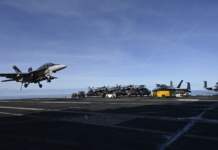
Senator Tim Sheehy of Montana has voiced concern about munitions reserves on a strategic scale, while Senator Tim Kaine of Virginia acknowledged that officials are effectively conducting a ‘backfill operation’ to shore up depleted capacity. The same ship-launched interceptors — SM-2, SM-3, and SM-6 — being consumed against Iranian threats are also in demand for operations against Houthi rebels in the Red Sea and have been repeatedly requested by Ukraine in its war with Russia.
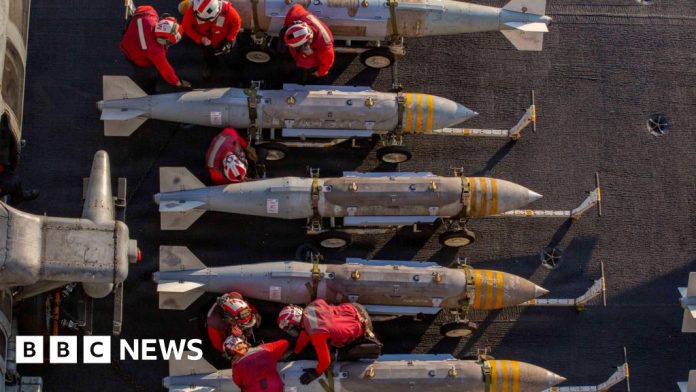
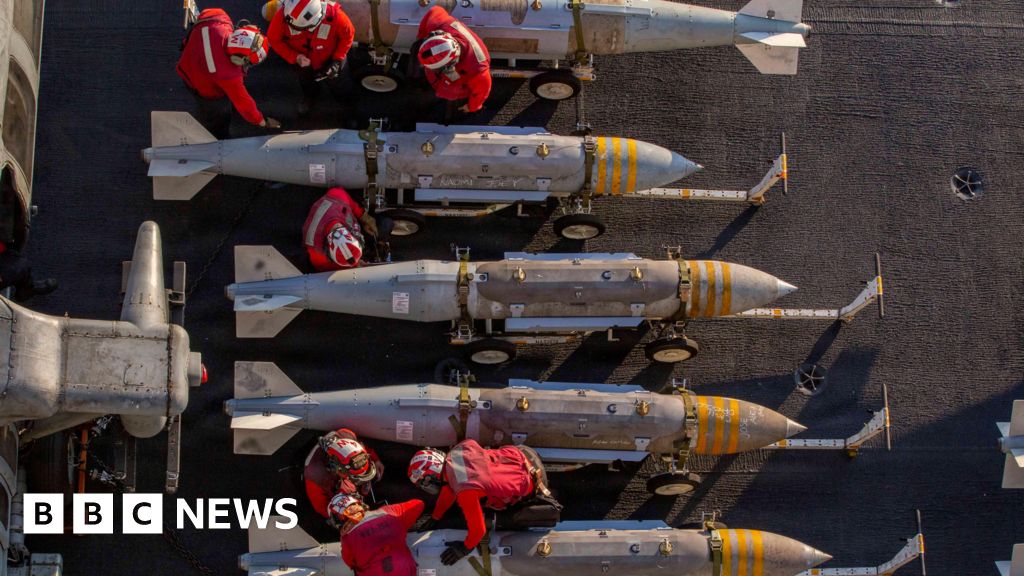
To manage consumption, the US military has shifted away from expensive stand-off weapons such as Tomahawk cruise missiles toward cheaper stand-in munitions like JDAM precision-guided bombs, of which the US holds tens of thousands. Mark Cancian, a former US Marine colonel and senior analyst at the Center for Strategic and International Studies (CSIS), assessed that at current operational levels the US could sustain the campaign ‘almost indefinitely’ — a qualification that hinges heavily on the mix of weapons being used.
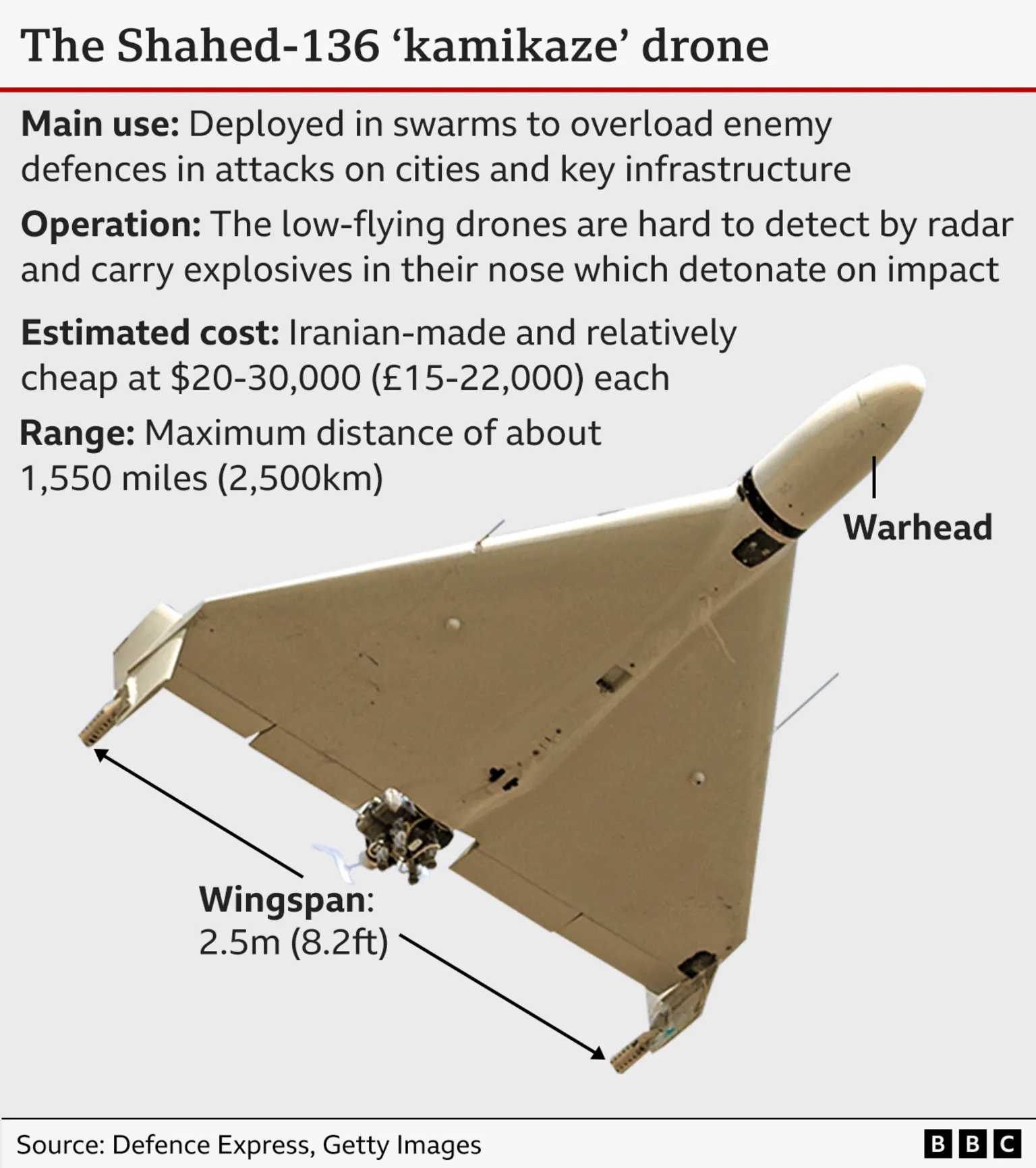
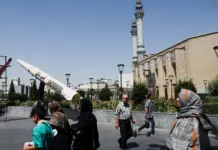
Iran’s military capacity has visibly degraded since the opening salvoes. The Institute for National Security Studies (INSS) in Tel Aviv estimates that Iran has launched 571 ballistic missiles and 1,391 drones since hostilities began. General Caine reported that Iranian ballistic missile launches have dropped 86 percent from the first day of fighting, with drone launches down 73 percent over the same period. US Central Command (Centcom) separately recorded a 23 percent decline in Iranian missile launches in the most recent 24-hour period.
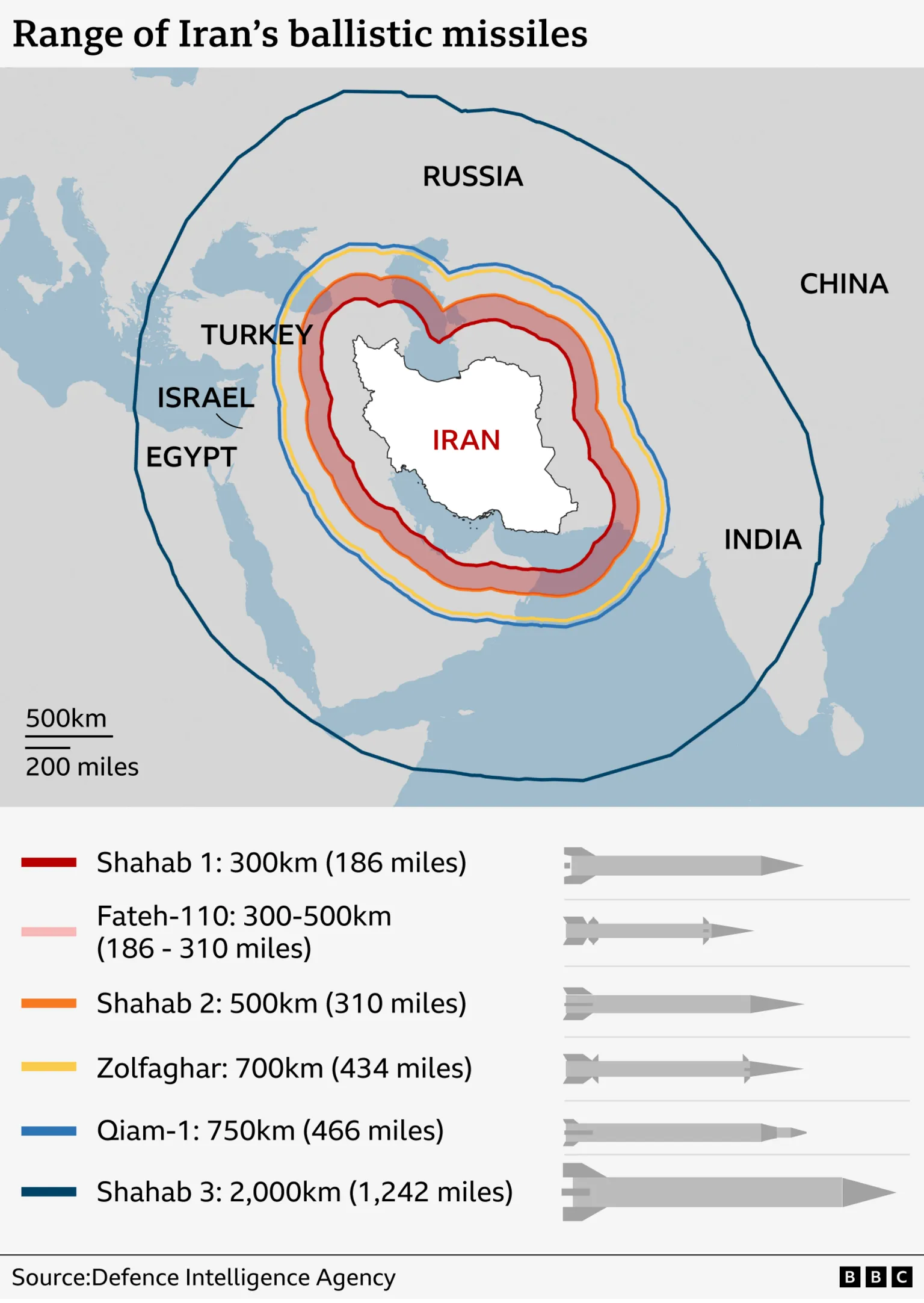
Before the war, Iran was believed to hold more than 2,000 short-range ballistic missiles and tens of thousands of Shahed one-way attack drones — the same drone design it has exported to Russia for use against Ukraine. US and Israeli aircraft now hold air supremacy over Iranian skies, most of Iran’s air defences have been destroyed, and the country no longer fields a credible air force. Tehran’s defence ministry, nonetheless, insists it retains ‘the capacity to resist the enemy’ for longer than Washington had anticipated.
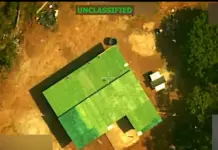
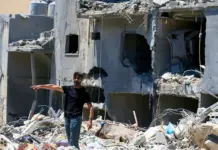
Centcom has outlined the next phase of the campaign as a systematic effort to hunt down Iran’s remaining missile and drone launchers, destroy weapons stockpiles, and strike production facilities. The challenge is formidable: Iran is three times the size of France, and history offers sobering precedents. Israel has not succeeded in destroying Hamas in Gaza after more than three years of intensive bombing, and Houthi rebels in Yemen survived a year-long US air campaign largely intact.
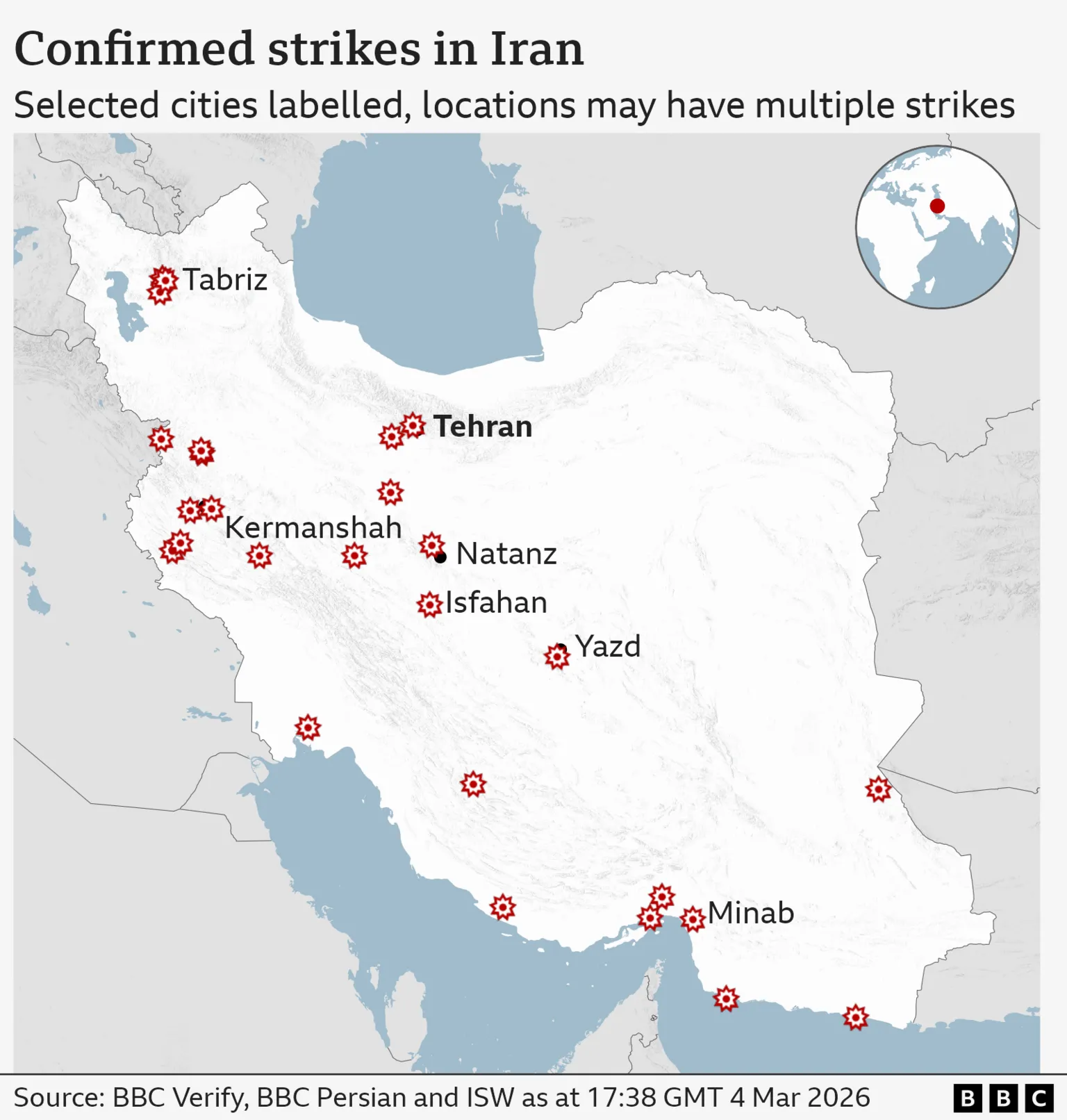
The Trump administration has set a four-to-five-week timetable for the conflict, though Hegseth has offered a range of possible durations — four weeks, six weeks, or longer. Vice President JD Vance stated that Trump will not halt operations until four core objectives are achieved: the destruction of Iran’s offensive missile arsenal, its missile production infrastructure, the Iranian Navy, and any pathway to a nuclear weapon. Six US service members were killed in a drone attack in Kuwait on Sunday, underscoring the human cost of a campaign that officials insist is proceeding on schedule.
Previous administrations chose not to go to war with Iran precisely because of concerns about being under-resourced for a prolonged conflict. Whether the current administration has adequately resolved those concerns — or is discovering their full weight in real time — remains the defining strategic question of the campaign.