A sanctioned Russian liquefied natural gas tanker sank in the Mediterranean Sea on Tuesday night, approximately 130 nautical miles north of the Libyan port of Sirte, after a series of explosions tore through the vessel and triggered a massive fire. All 30 Russian crew members aboard the Arctic Metagaz were rescued safely, found in a lifeboat within Libya’s search-and-rescue zone by Maltese and Russian rescue services.
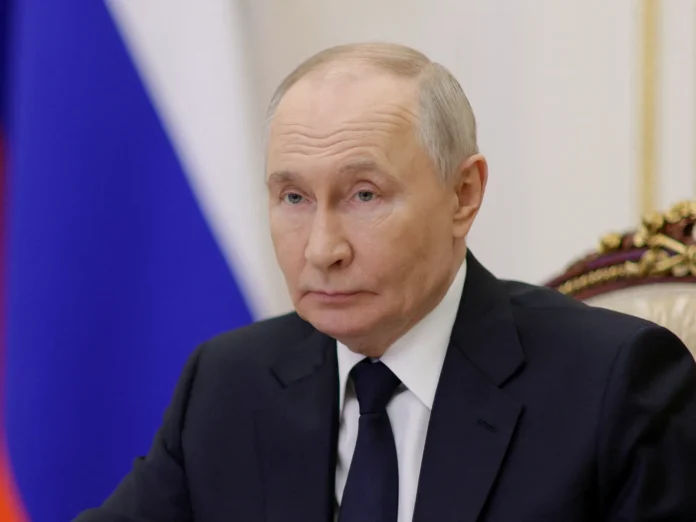
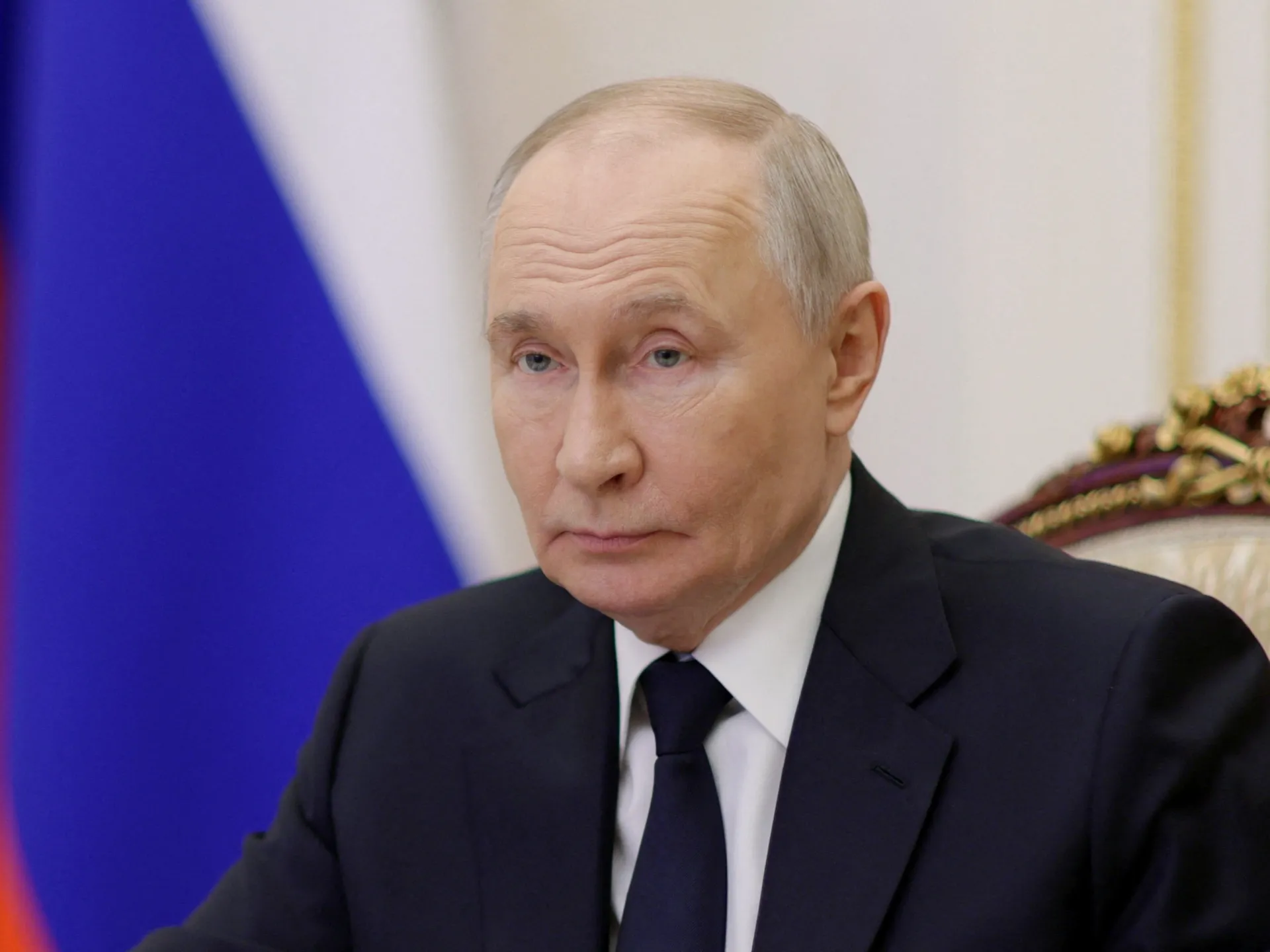
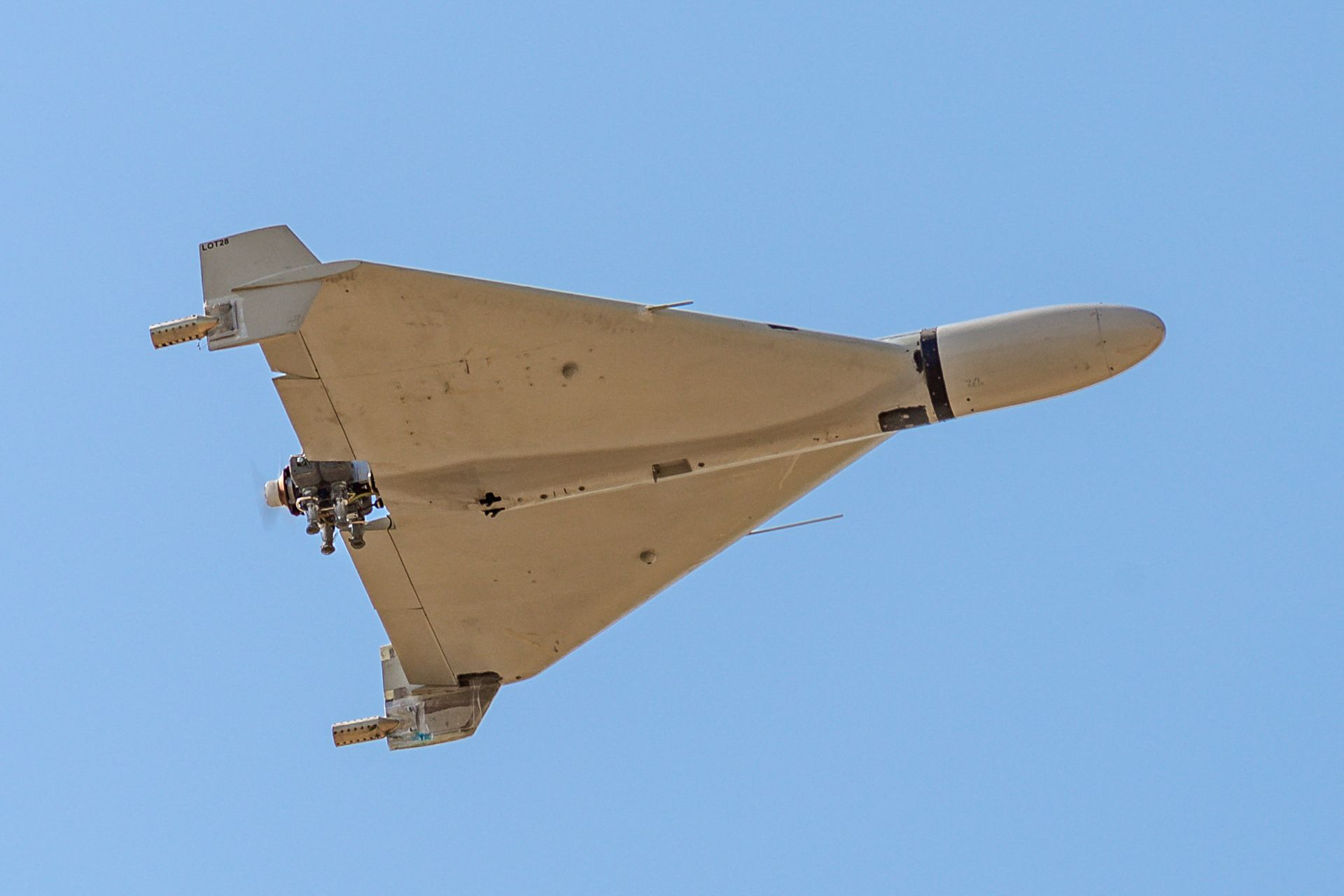
Russian President Vladimir Putin swiftly accused Ukraine of carrying out a terrorist attack on the vessel. Russia’s Transport Ministry identified the stricken ship as the Arctic Metagaz and claimed it had been struck by Ukrainian naval drones launched from the Libyan coastline. Moscow characterised the incident as an act of international terrorism and maritime piracy. Ukraine’s military and its Security Service, the SBU, had not commented on the allegations at the time of publication.
The Arctic Metagaz had departed the Arctic port of Murmansk carrying an estimated 62,000 metric tons of LNG and was listed as bound for Port Said, Egypt. Egypt’s Petroleum Ministry, however, denied any connection to the vessel, stating it did not appear under any contracts to supply or receive LNG cargoes to the country.
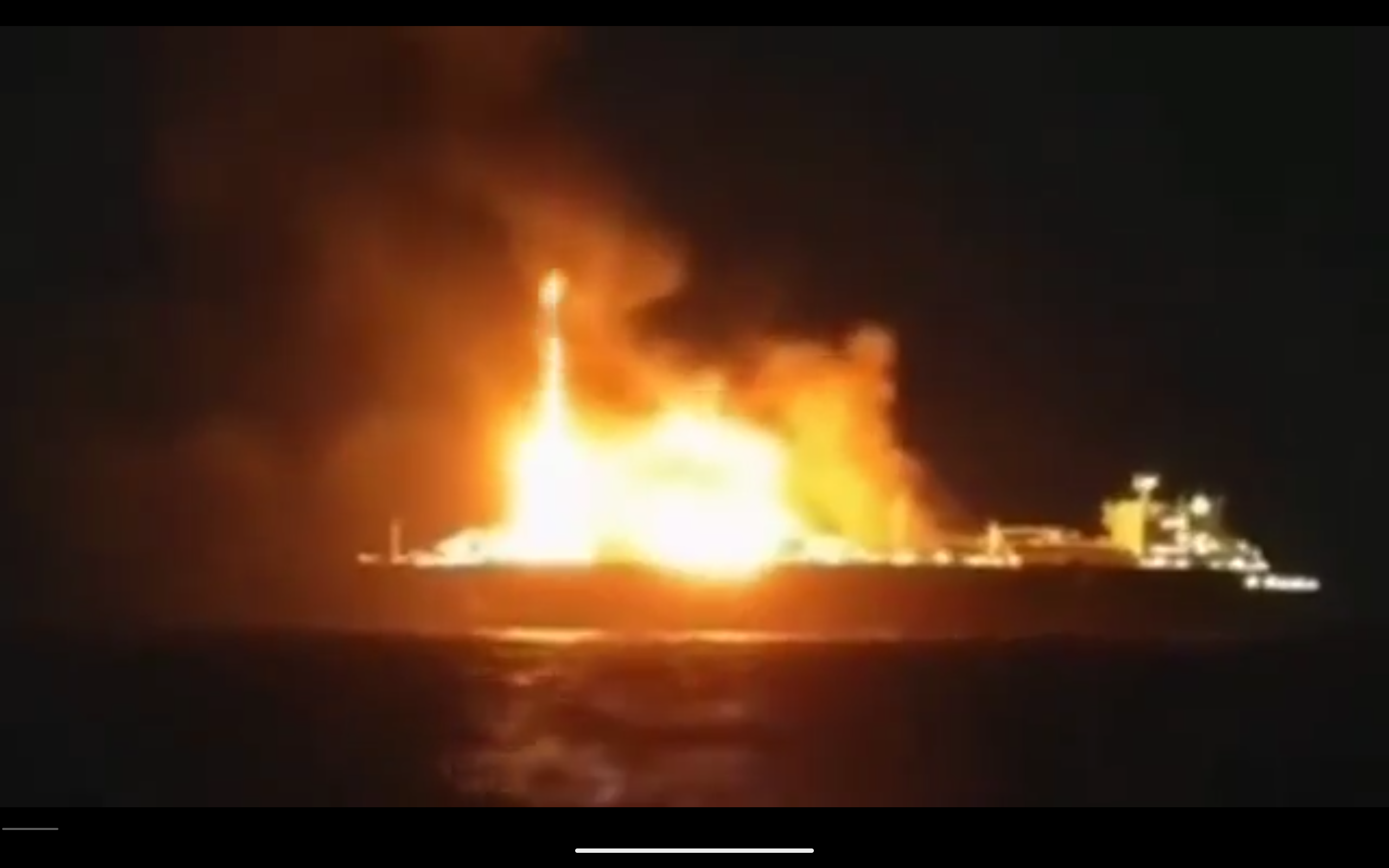
The Libyan port authority reported that the cause of the initial blasts remained unclear, even as Russia pressed its accusation against Kyiv. Photos and videos of the blazing tanker circulated widely on social media in the early hours of March 3. Libya’s maritime rescue agency subsequently issued an advisory warning all vessels to avoid the area where the carrier went down.
Maltese Home Affairs Minister Byron Camilleri confirmed that the entire crew had been found safe and sound during the rescue operation conducted by Malta’s armed forces. Malta, whose proximity to the incident placed it at the centre of the emergency response, coordinated search-and-rescue services for the stricken vessel.
The Arctic Metagaz is subject to sanctions imposed by the United States, the European Union, and the United Kingdom, and is widely suspected of belonging to Russia’s so-called shadow fleet — a network of ageing tankers that rely on opaque ownership structures, flags of convenience, and irregular shipping practices to circumvent Western restrictions on Russian energy exports. Russia’s Transport Ministry maintained that the vessel’s cargo had been cleared in accordance with all international regulations.
The sinking marks a significant escalation in Ukraine’s campaign to disrupt Russian energy revenues at sea. In late November, the SBU claimed responsibility for striking two sanctioned Russian oil tankers, the Kairos and the Virat, off Turkey’s Black Sea coast. On December 10, the SBU reported using Sea Baby naval drones to strike a tanker from Russia’s shadow fleet in the Black Sea. A subsequent strike in December 2024 marked the first time Ukraine had hit a Russian tanker in the Mediterranean, occurring in neutral waters more than 2,000 kilometres from Ukrainian territory.
The destruction of the Arctic Metagaz represents a further geographic expansion of that campaign. Ukraine has routinely launched deep strikes against military and industrial targets inside Russia using domestically developed drones, and Kyiv has increasingly turned its attention to the tankers that carry Russian oil and gas to international markets — a critical source of revenue sustaining Moscow’s war effort now entering its fifth year.
The loss of the Arctic Metagaz and its 62,000-tonne LNG cargo underscores the growing vulnerability of Russian energy shipments across international waters, even as Moscow attempts to sustain export volumes through its shadow fleet. The incident is likely to intensify diplomatic pressure on countries whose ports and coastlines are drawn into the expanding maritime dimension of the Russia-Ukraine conflict.