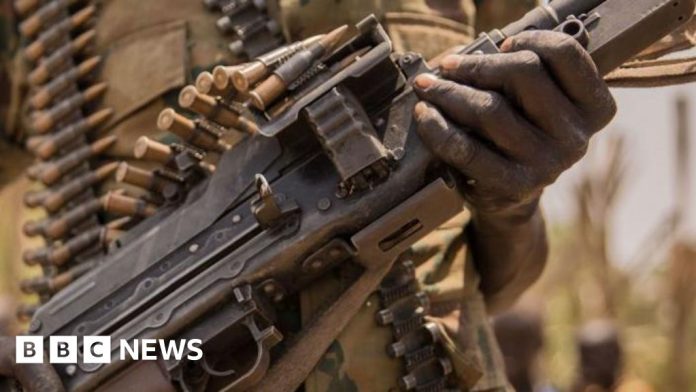
A devastating pre-dawn raid on a sleeping community in northern South Sudan has killed at least 169 people, with dozens of armed assailants setting fire to homes and markets before government forces drove them back hours later. The attack on Abiemnom county in the Ruweng Administrative Area struck at approximately 04:30 local time on Sunday, catching residents entirely off guard.
Of those killed, 90 were civilians — children, women, and elderly people — while 79 were members of regional security forces, including police. Fifty additional people sustained injuries, the majority of whom were evacuated to the neighbouring Abyei Administrative Area for medical treatment. All 169 bodies were interred in a mass grave, with the area’s health minister, Elizabeth Achol, confirming the burial took place on Monday.
James Monyluak Mijok, the information minister for Ruweng Administrative Area, announced the death toll on Monday, describing the attackers as dozens of armed youth who entered the county from Mayom County in Unity state. Among the dead were the county commissioner and executive director — two of the most senior local officials in the area. Fighting raged for between three and four hours before the army repelled the assault and authorities declared full control of the region.
The Sudan People’s Liberation Army in Opposition (SPLA-IO), the armed faction associated with former First Vice President Riek Machar, was alleged to have links to the attackers. The group flatly denied any involvement, instead accusing Unity state authorities of exploiting the violence for political purposes. The denial has done little to ease tensions in a country where intercommunal and factional violence has surged in recent months.
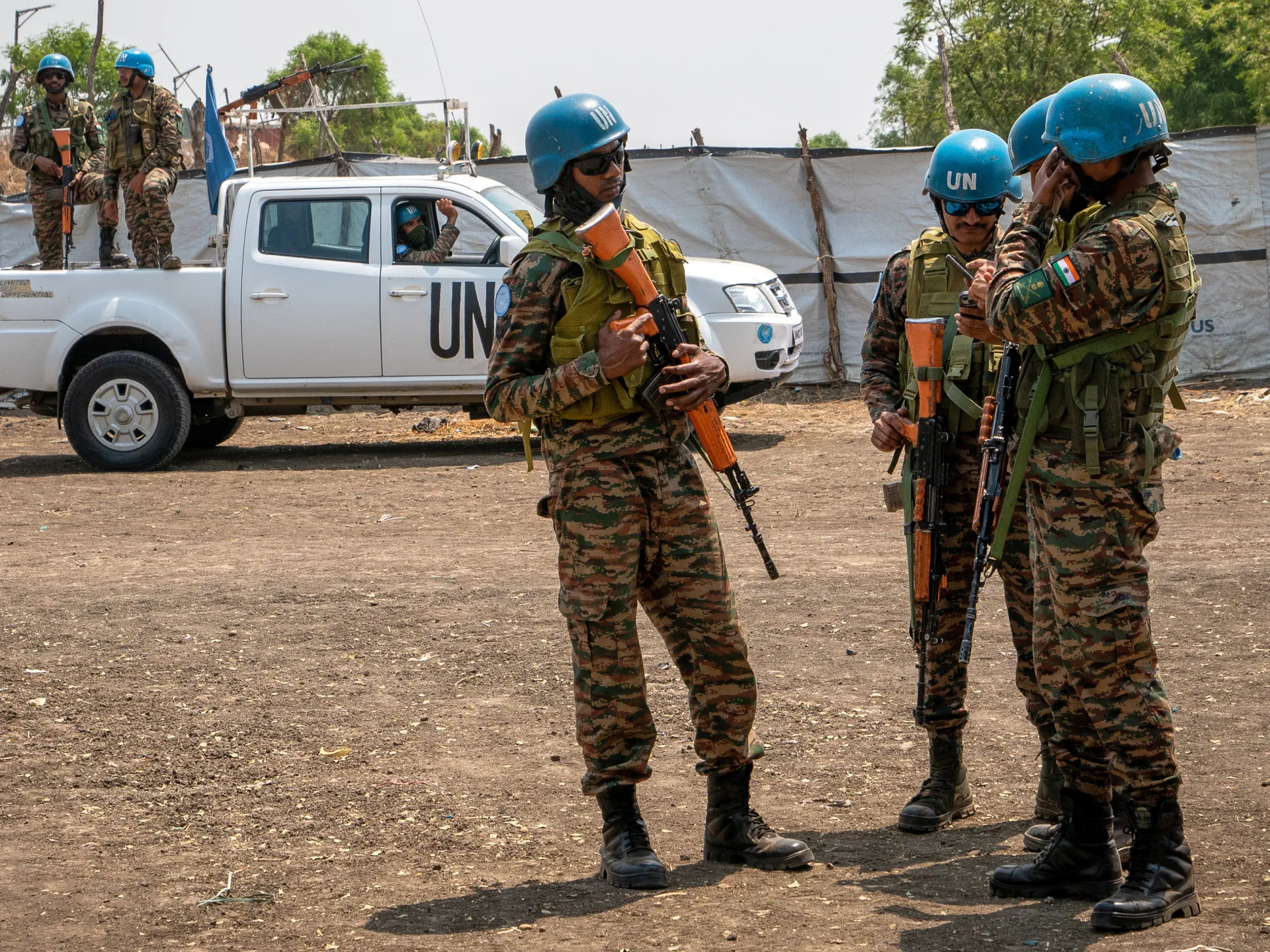
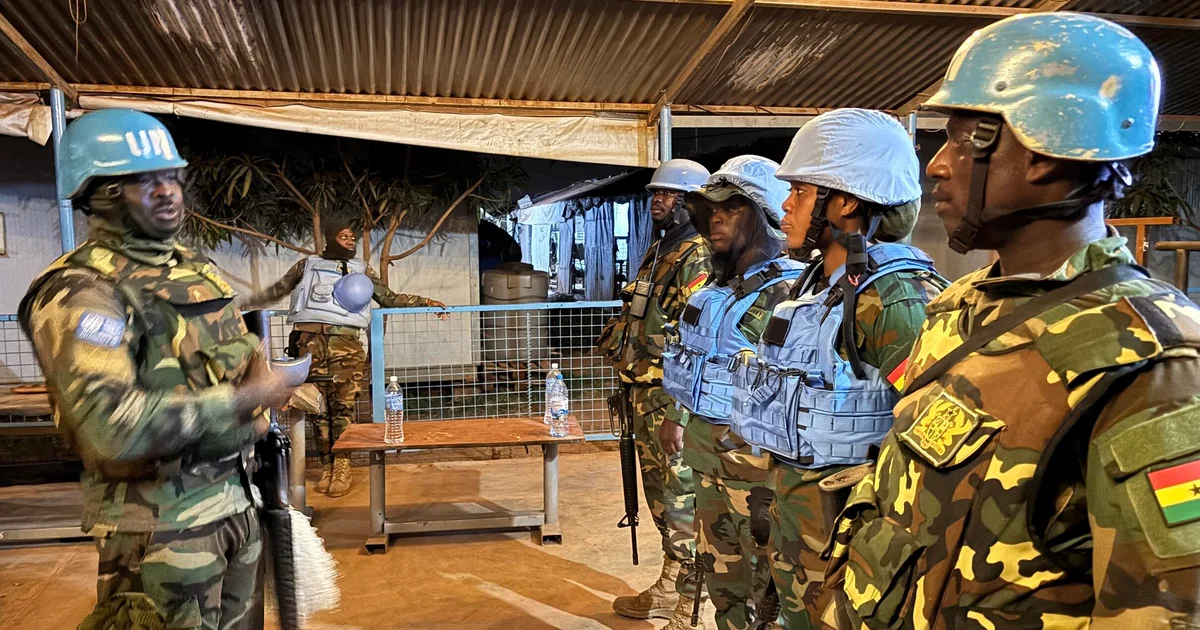
The United Nations Mission in South Sudan (UNMISS) reported a sharp escalation in violence across the region in the 48 hours preceding Sunday’s attack. UN peacekeepers provided emergency medical care to at least 23 people wounded in the clashes, and more than 1,000 civilians sought refuge near a UN base in the affected area. The scale of displacement underscores the acute fear gripping communities across Ruweng.
The attack is not without precedent. A similar assault on Abiemnom county last year left more than 42 civilians dead, suggesting the area has become a recurring flashpoint in South Sudan’s broader cycle of violence.
The crisis extends beyond Ruweng. In Jonglei state, major clashes between government and opposition forces have continued since December, prompting the medical charity MSF (Médecins Sans Frontières) to suspend operations in the towns of Lankien and Pieri. Twenty-six MSF staff members remain missing following recent violence in the state, and the organisation — which has 291 colleagues working across those two locations — has been unable to account for their whereabouts. An MSF facility in Lankien was struck by a government air strike on 3 February, a development that has drawn sharp concern from humanitarian organisations operating in the country.
The deteriorating security situation reflects the broader collapse of South Sudan’s fragile political order. President Salva Kiir and Riek Machar signed a landmark power-sharing agreement in 2018, intended to bring a definitive end to a civil war that claimed an estimated 400,000 lives over five years. That accord has steadily unravelled over the past year. Machar was arrested approximately a year ago, removing a key political counterweight and reigniting fears that the country is sliding back toward open conflict.
South Sudan, the world’s youngest nation having gained independence in 2011, has struggled to consolidate peace since its founding. Sunday’s massacre in Abiemnom county — with its staggering civilian toll and the brazen targeting of local government officials — represents one of the deadliest single incidents in recent memory, and a stark warning that the country’s hard-won stability remains deeply precarious.