TEHRAN / TEL AVIV / KUWAIT CITY — June 17, 2025 — The Middle East has been plunged into its most severe crisis in decades after the United States and Israel launched coordinated strikes on Iran on Saturday, killing Supreme Leader Ayatollah Ali Khamenei and several senior officials in a campaign that President Donald Trump described as ‘major combat operations.’ The killing of the Islamic Republic’s paramount leader has unleashed a cascade of retaliatory strikes across the Gulf, threatening global energy supplies and drawing the region’s most powerful actors into open conflict.
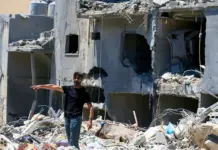
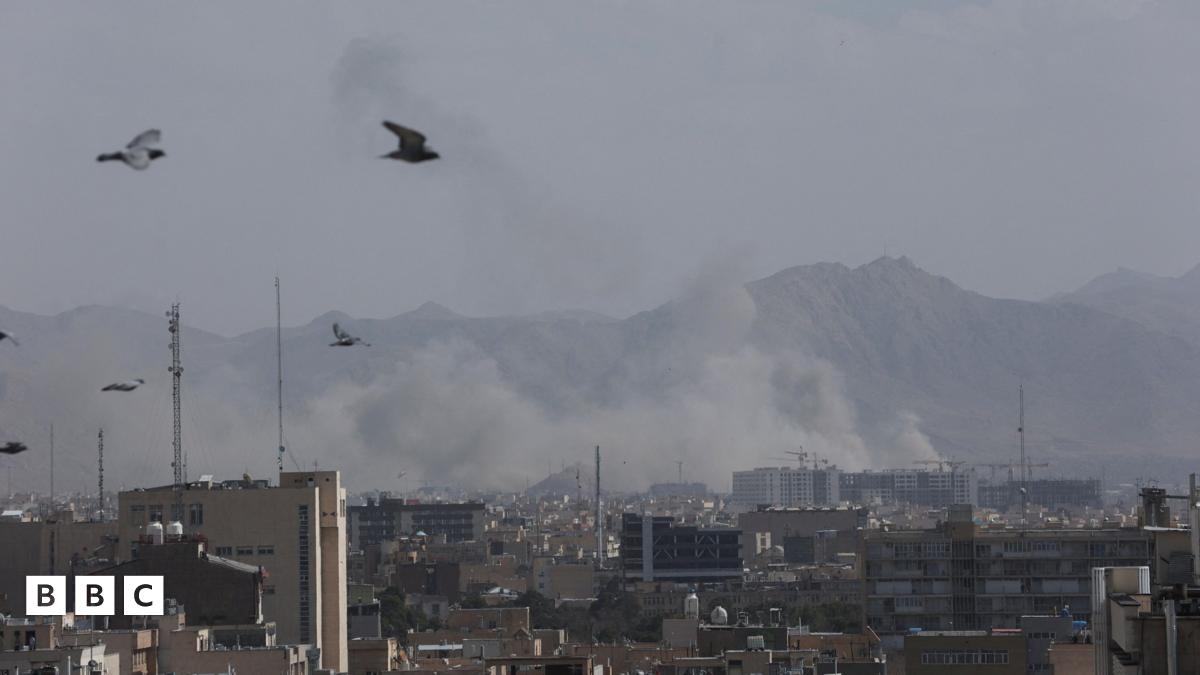
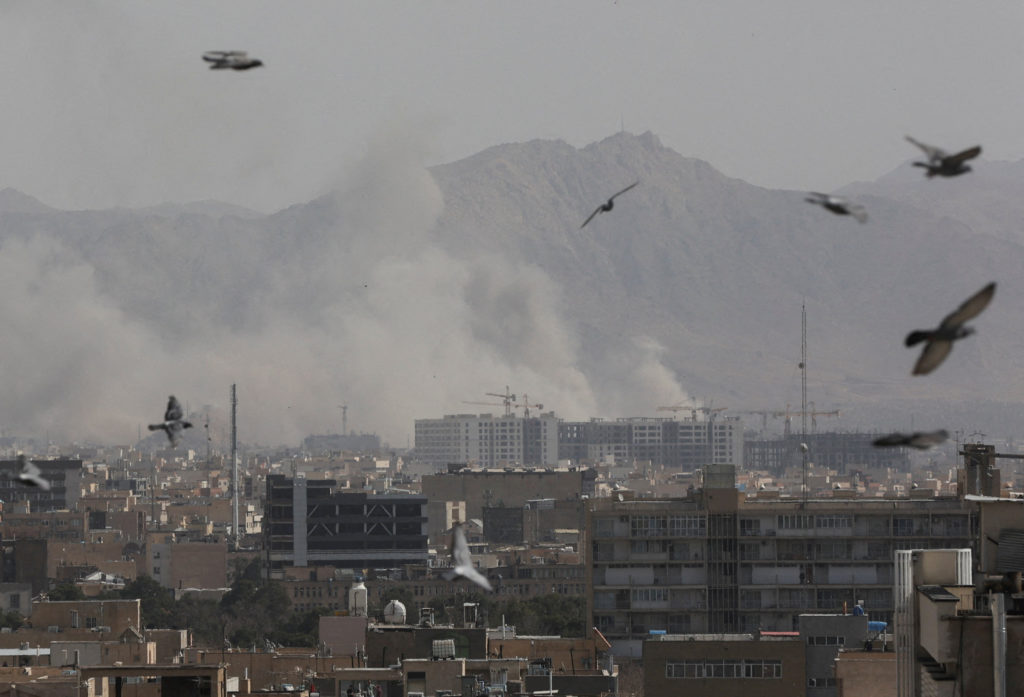
Explosions shook cities across Iran, including the capital Tehran, in the early hours of Saturday morning. Israeli Defence Minister Israel Katz characterised the assault as a ‘pre-emptive attack,’ while Prime Minister Benjamin Netanyahu said Israel was acting alongside Washington to eliminate what he called a shared existential threat. A state of emergency was declared across Israel, with warning sirens activated as the Israeli Defense Forces confirmed that Iran had fired ballistic missiles at Israeli territory in response.
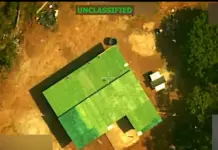
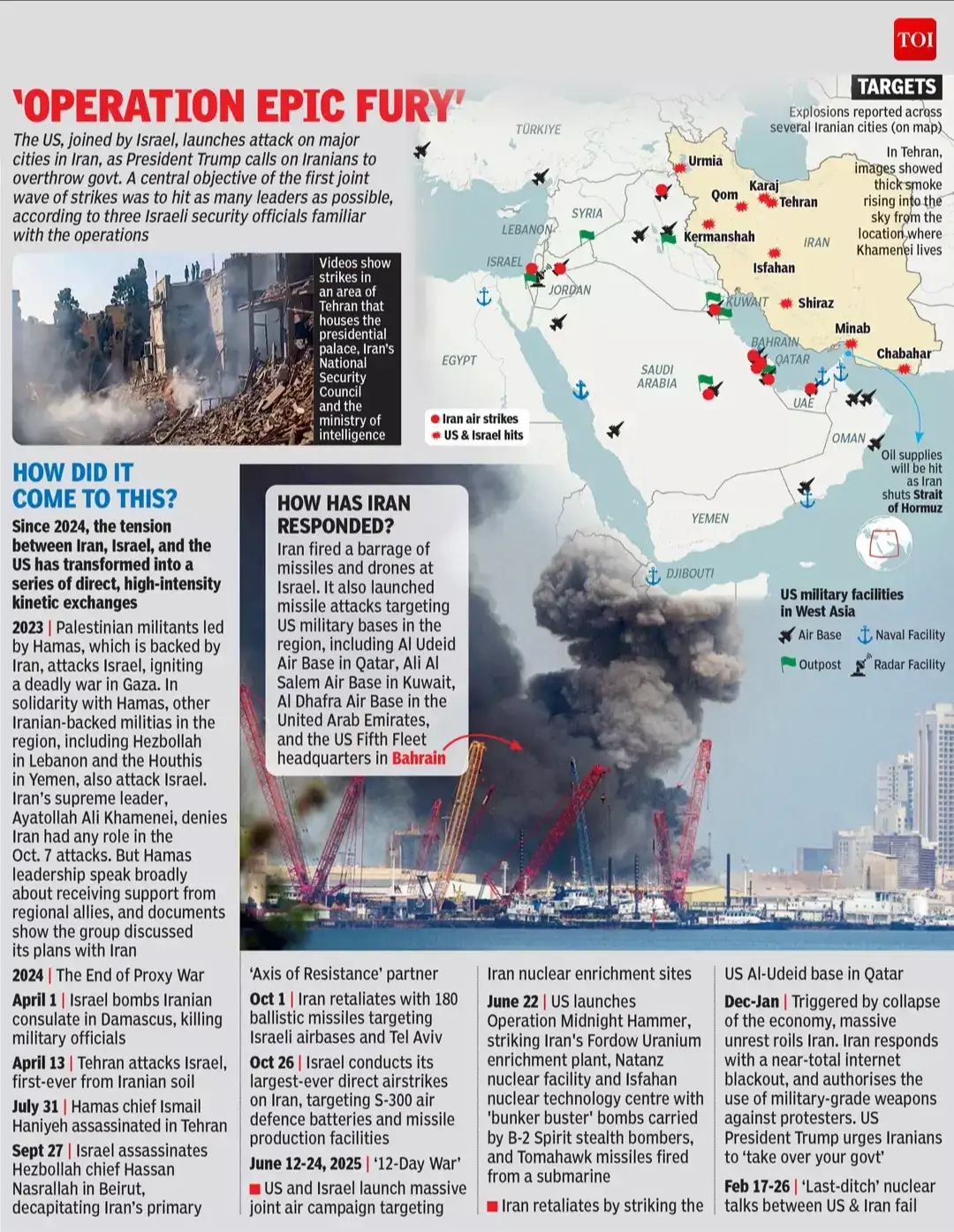
Iran’s retaliation extended far beyond Israeli borders. Iranian Revolutionary Guard Corps (IRGC) forces struck US-linked military sites across the region, targeting facilities in Gulf states that host American troops. An Iranian drone strike hit a US military facility in Kuwait, while a massive fire erupted at a port in Bahrain — home to the US Navy’s Fifth Fleet. Explosions attributed to Iranian attacks were also reported in Qatar and the United Arab Emirates, both close American allies.
Iranian President Masoud Pezeshkian addressed the nation on Sunday, declaring that seeking revenge for Khamenei’s killing was the country’s ‘duty and legitimate right.’ Foreign Minister Abbas Araghchi warned that Iran would deploy all available military means in self-defence. The IRGC pledged further retaliation and signalled a sustained campaign of missile launches toward Israel and strikes near US-linked infrastructure across multiple countries.
The conflict has rapidly expanded into the maritime domain. IRGC forces claimed strikes on three oil tankers linked to the US and UK near the Strait of Hormuz, the narrow waterway through which a significant share of the world’s traded oil and gas passes. Danish shipping giant Maersk suspended all vessel crossings through the strait on Sunday, a decision that sent shockwaves through global commodity markets. Iran has the capability to threaten naval forces and commercial shipping using antiship missiles, naval mines, drones and fast-attack craft — tools it has demonstrated willingness to deploy.
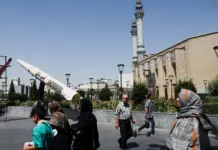
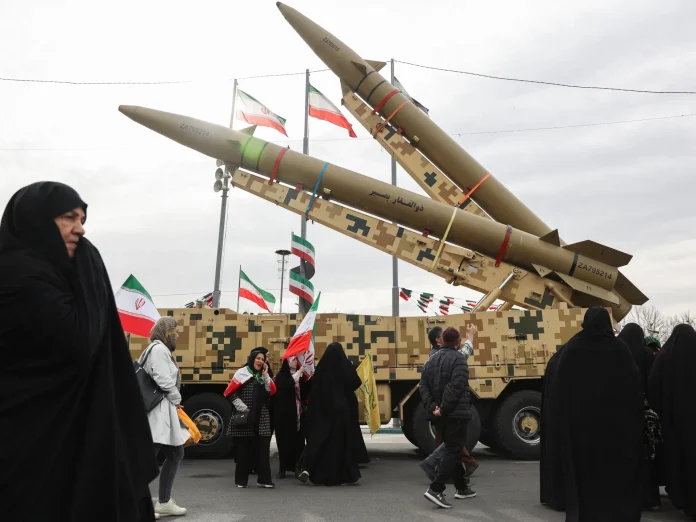
Iran’s missile arsenal gives it considerable reach across the region. Short-range ballistic missiles, with ranges of roughly 150 to 800 kilometres, can strike targets throughout the immediate neighbourhood. Medium-range systems, capable of travelling 1,500 to 2,000 kilometres, place Israel and US-linked facilities in Qatar, Bahrain, Kuwait, Saudi Arabia and the UAE within striking distance. The Sejjil, a solid-fuel system, offers faster launch readiness than older liquid-fuel missiles, complicating interception efforts. Iran’s longest-range ballistic missiles can travel between 2,000 and 2,500 kilometres, while the Soumar cruise missile extends that reach to 2,500 kilometres. Tehran has also hardened significant portions of its missile programme inside underground tunnels, concealed bases and protected launch sites.
The scale of potential Iranian retaliation carries historical precedent. In January 2020, following the US killing of General Qassem Soleimani, Iran fired short-range ballistic missiles at Iraq’s Ain al-Assad airbase, damaging infrastructure and leaving more than 100 American personnel with traumatic brain injuries. The current conflict represents a far more direct confrontation, with Iran now targeting the Gulf states themselves rather than limiting strikes to Iraqi soil.
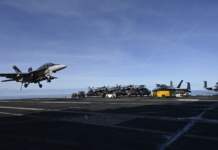
Washington has responded by surging naval and air assets into the region, assembling one of the largest concentrations of American firepower near Iran in years. The UK, which did not participate in the initial strikes, faces its own pressure to respond: Prime Minister Keir Starmer was expected to chair an emergency meeting of the government’s Cobra crisis committee. Norway’s foreign minister, Espen Barth Eide, condemned the US-Israeli action as ‘not in line with international law.’
Beyond state actors, Iran’s regional allies have moved to signal solidarity. Hezbollah in Lebanon and Yemen’s Houthis both condemned Khamenei’s killing and aligned themselves publicly with Tehran, raising the prospect of a multi-front escalation. Airline routes across the Middle East have been disrupted, with flights cancelled or diverted around the affected areas.
The conflict marks the culmination of years of mounting tension between Iran and the West over Tehran’s nuclear programme — which Iran insists is peaceful — and its support for armed groups across the region. With Khamenei dead, Iran’s political future is deeply uncertain, but its military apparatus remains intact and its leadership has made clear that the killing of the supreme leader will not go unanswered.