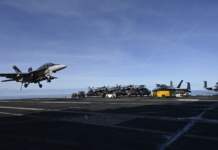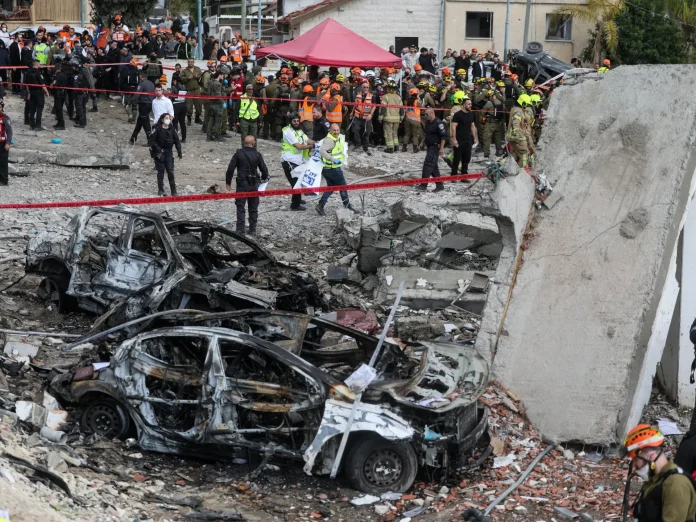
TEHRAN/TEL AVIV — The Middle East lurched toward full-scale regional war on Sunday after Iranian Supreme Leader Ayatollah Ali Khamenei was killed in a sweeping joint US-Israeli aerial bombardment, shattering a fragile nuclear diplomacy track and triggering retaliatory strikes that have already claimed lives across multiple countries.
President Donald Trump confirmed Khamenei’s death, announcing that the operation — dubbed ‘Operation Epic Fury’ — had targeted Iranian military and governmental sites in what he described as ‘heavy and pinpoint bombing’ that would continue through the week or longer if necessary. Up to 40 senior Iranian officials perished alongside the Supreme Leader in the strikes, which marked the second time in eight months the Trump administration has attacked Iran while nuclear negotiations were nominally underway.
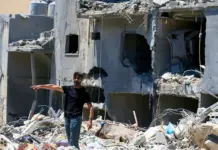
In Tehran, the scale of destruction was immediately apparent. Niloofar Square bore some of the heaviest civilian casualties, with Iranian state media reporting at least 20 deaths there. The Gandhi Hospital and a police building sustained damage, and the Nour News outlet described ‘continuous explosions’ reverberating across both eastern and western districts of the capital. Israel separately declared it had struck the ‘heart of Tehran,’ while simultaneously launching attacks on Lebanon and issuing forced evacuation orders for 53 villages and towns in southern Lebanon, including Bint Jbeil. Israeli strikes also hit the towns of Haris, Nabatieh al-Fawqa, and Mefdoun, and the Israeli military said it had targeted senior Hezbollah figures in the Beirut area.
Among the most devastating reported incidents was an Israeli strike on a girls’ school in Minab in southern Iran. Iran’s Health Ministry said approximately 180 children were killed in that attack — carried out, according to Iranian authorities, using the same type of missile that struck the Gandhi Hospital in Tehran.
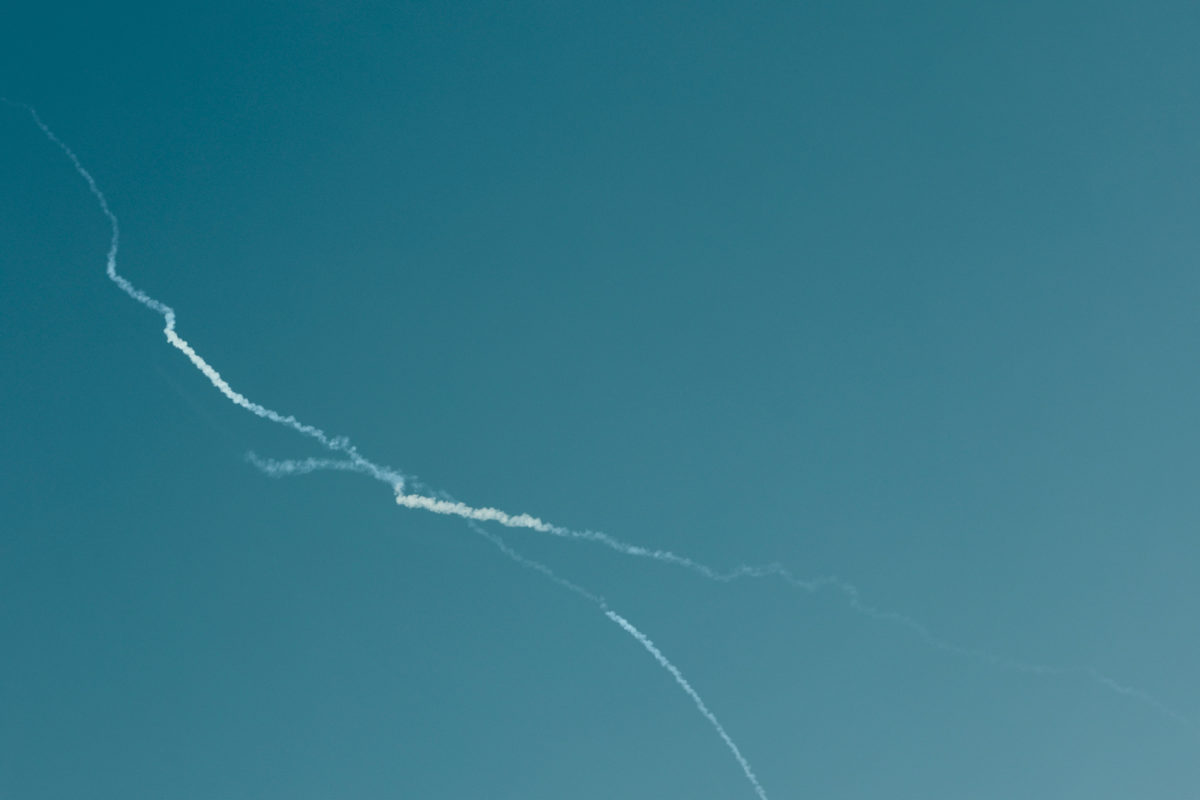
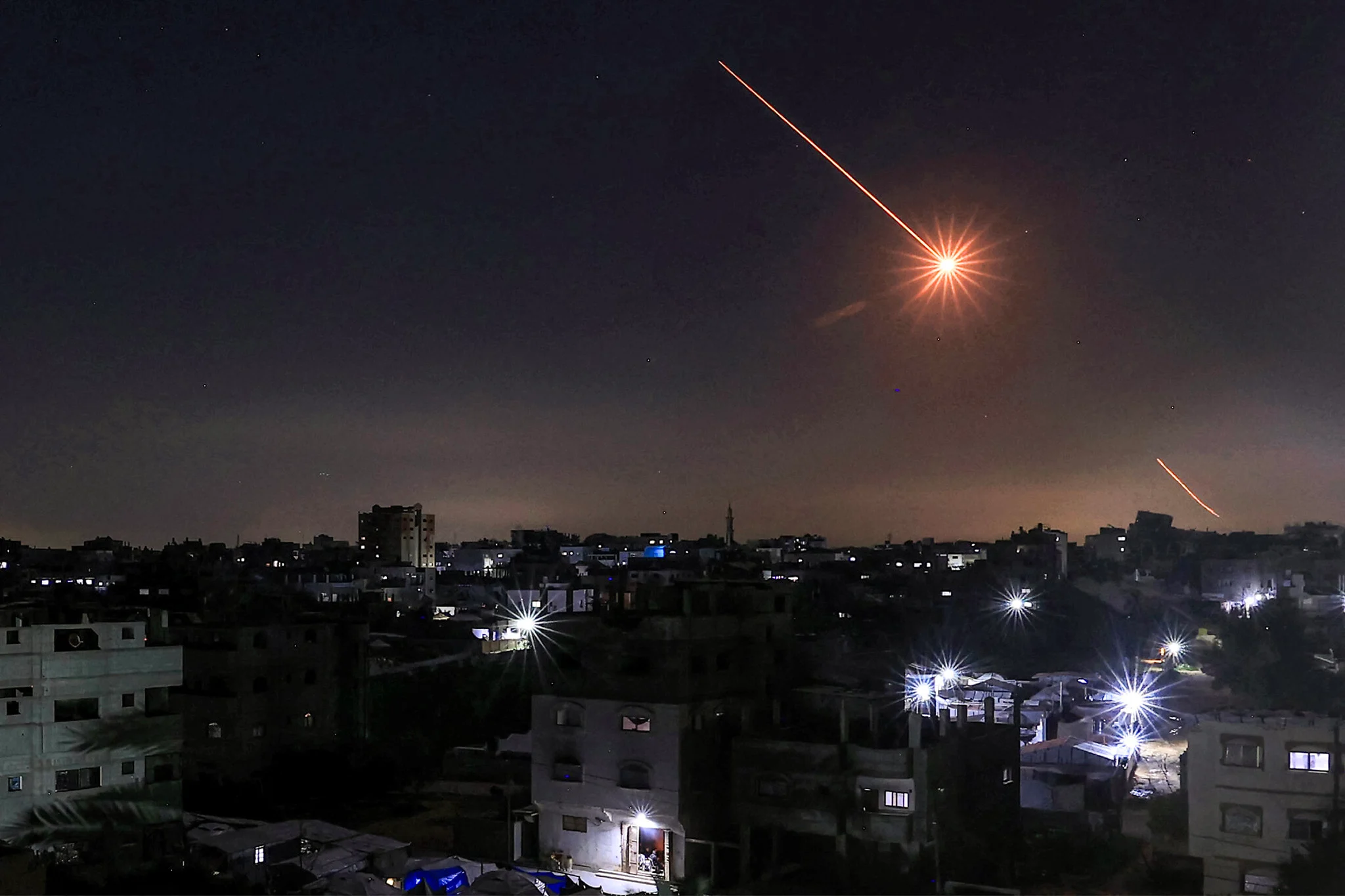
Iran’s retaliation was swift. Missiles and drones rained down on Tel Aviv and Jerusalem, and Iranian strikes targeted US military installations across the region. One person was killed in Bahrain during the Iranian assault on US assets there, and three American soldiers died — a toll confirmed by Trump himself. In central Israel, at least nine people were killed in the city of Beit Shemesh.
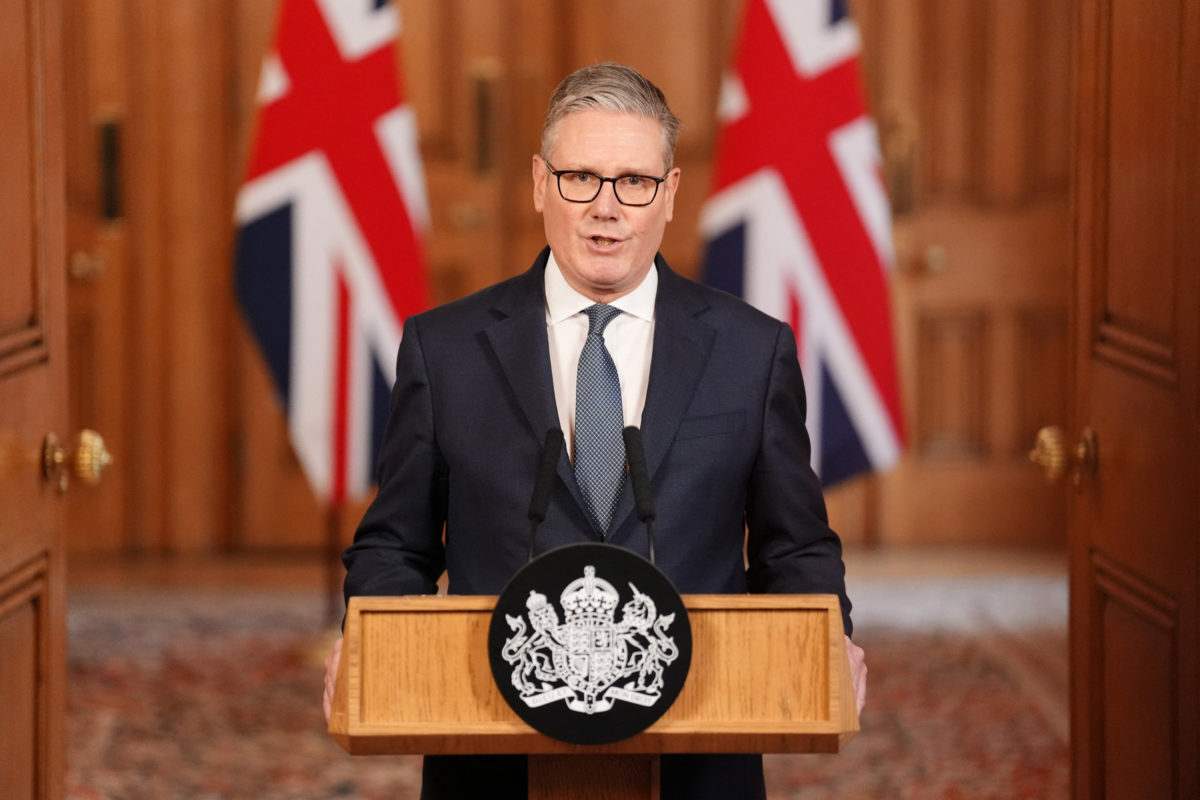
The conflict’s reach extended to Cyprus, where a suspected drone struck the UK’s military base at Akrotiri shortly after midnight, though no casualties were reported. UK Prime Minister Keir Starmer had agreed to a US request to use British bases in support of the strikes on Iran, a decision that drew immediate scrutiny given the attack on British soil.
Hezbollah, citing Khamenei’s killing as justification, broke a ceasefire that had been in place since November 2024 and fired a barrage of rockets into northern Israel. Lebanese Prime Minister Nawaf Salam condemned the rocket attack as ‘irresponsible and suspicious,’ while verified footage showed massive traffic jams choking Beirut’s roads as residents fled the capital.
Iranian Foreign Minister Abbas Araghchi dispatched urgent letters to UN Secretary-General Antonio Guterres and the UN Security Council, characterising Khamenei’s killing as a ‘cowardly act of terror’ and a ‘dangerous and unprecedented escalation.’ Seven nations — the United States, Bahrain, Jordan, Kuwait, Qatar, Saudi Arabia, and the UAE — issued a joint statement condemning Iran’s retaliatory strikes.
The conflict’s economic tremors were felt immediately in global energy markets. Japanese trading house Itochu reported disruptions to crude oil and petroleum shipments from the Gulf, with several regional ports affected. Roughly 20 to 30 percent of global seaborne oil shipments transit the Strait of Hormuz, making the waterway a critical pressure point as hostilities intensify.
On the domestic political front in the United States, opposition was crystallising. A Reuters/Ipsos poll found only 25 percent of Americans approved of the US-Israeli attacks on Iran, with 43 percent opposed and 29 percent undecided. Even among Republicans, support was conditional: 55 percent backed the strikes, but 42 percent said they would withdraw support if US troops were killed or wounded — a threshold already crossed. Senator Adam Schiff announced he would join fellow lawmakers in forcing a congressional vote on a war powers resolution, setting up a direct confrontation with the White House over the legal authority for the operation.
Across Pakistan, where Shia Muslims constitute more than 20 percent of a population exceeding 250 million, the killing of Khamenei ignited widespread unrest. At least 20 people died in protests on Sunday — 10 in Karachi, at least eight in Skardu, and two in Islamabad — as security forces deployed tear gas and rubber bullets against crowds that gathered in their thousands near the capital’s Red Zone. Dozens more were wounded nationwide.
Defense Secretary Pete Hegseth was scheduled to address the press Monday morning, as the Pentagon faced mounting questions about the operation’s scope, legal basis, and exit strategy. Trump’s warning that bombing would continue ‘as long as necessary’ signalled no immediate off-ramp, even as the human and geopolitical costs of the most dramatic US military action in years continued to mount by the hour.