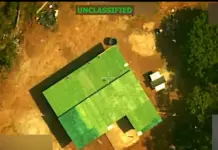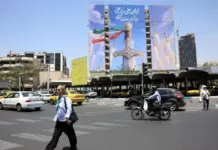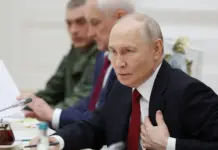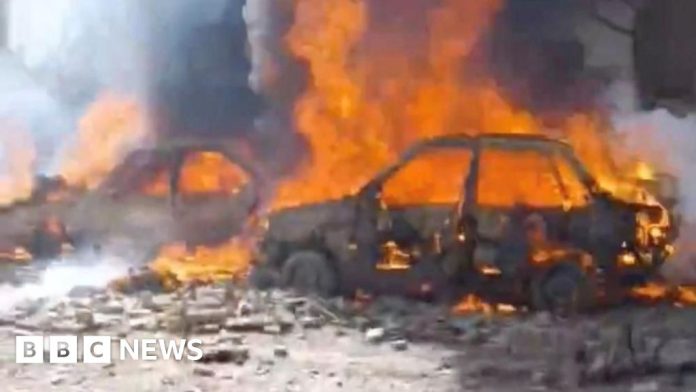
Tehran/Washington — Ayatollah Ali Khamenei, the Supreme Leader of Iran and the most powerful figure in the Islamic Republic since its founding era, was killed on the opening day of a coordinated US-Israeli air campaign that Israeli officials described as the largest operation in the Israeli Air Force’s history. President Donald Trump announced the death, and Iran’s own state television subsequently confirmed it — a stunning admission that underscored the scale of the assault.
Israel justified the offensive using the language of pre-emption, framing the strikes as a necessary act to neutralise an existential threat before it could materialise. The operation, conducted alongside American forces, targeted military infrastructure across Iran at a moment when the country was already severely weakened. Last summer’s conflict had badly degraded Iranian defences, and Trump had declared at the time that the Iranian nuclear programme had been ‘obliterated.’ The latest campaign appears designed to ensure that assessment holds.
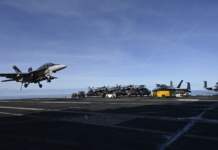
The United States reinforced its commitment to the operation by deploying two carrier strike groups to the region, a show of force that left little ambiguity about Washington’s direct involvement. Trump, who in January had told Iranian protesters that ‘help was on its way,’ followed through with military action that his administration had long signalled was possible if diplomatic demands went unmet.
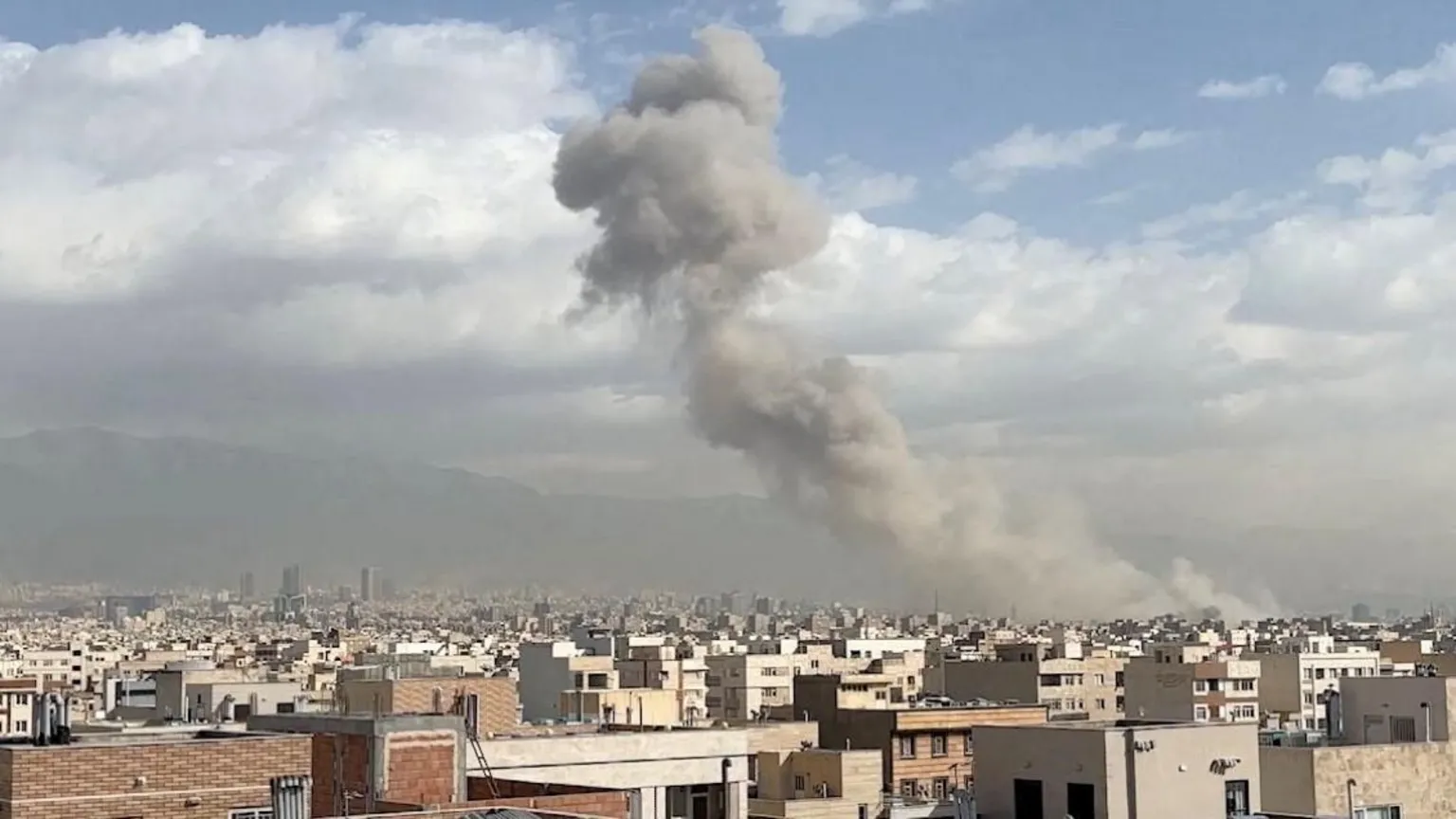
Those demands were sweeping. Washington had been pressing Tehran for severe restrictions on its ballistic missile programme and an end to its financial and logistical support for regional allies — conditions Iran had consistently rejected. The pressure was compounded by the fact that Iran had enriched uranium to levels that serve no plausible civilian energy purpose, a development that alarmed Western governments and regional neighbours alike.
The death of Khamenei removes the ideological and political anchor of a system built around clerical supremacy. Alongside Iran’s conventional armed forces, the Islamic Revolutionary Guards Corps exists with the explicit mandate of defending the regime itself — not merely the nation’s borders. With the regime’s figurehead gone and its military infrastructure in ruins, the question of what replaces the Islamic Republic now dominates international discussion.
The strikes carry unmistakable historical echoes. Saddam Hussein of Iraq was removed by a US-led invasion in 2003, a conflict whose consequences — sectarian bloodletting, institutional collapse, and persistent instability — Iraq continues to absorb two decades later. Muammar Gaddafi of Libya was toppled in 2011 after NATO and Arab states provided rebel forces with decisive air support; Libya remains a failed state to this day. Those precedents weigh heavily on regional observers.
Saudi Arabia, despite its own deep antagonism toward Tehran, is reported to be dismayed by the uncertainty unleashed by the strikes and the unpredictable consequences that may follow. Riyadh has long sought to contain Iranian influence but has no appetite for the kind of prolonged chaos that engulfed Iraq and Libya.
For Benjamin Netanyahu, the operation delivers a dramatic strategic achievement ahead of a general election later this year. Over the past two years, Israel has killed the leadership of both Hamas in Gaza and Hezbollah in Lebanon, dismantling the command structures of Iran’s two most capable regional proxies. The elimination of Khamenei himself represents the apex of that campaign — a direct strike at the source of the regional network Israel has spent years targeting.
The backdrop to all of this is the long, tortured history of the Iranian nuclear file. Trump withdrew from the Joint Comprehensive Plan of Action during his first term, abandoning the agreement that had been the centrepiece of the Obama administration’s foreign policy and the primary diplomatic mechanism for constraining Tehran’s nuclear ambitions. Without that framework, Iran accelerated its enrichment programme to levels that alarmed non-proliferation experts worldwide.
Iran was already under enormous internal pressure before the strikes began. A severe economic crisis had hollowed out living standards, and a brutal crackdown on protesters earlier in the year had deepened public disillusionment with the government. The country enters this new and dangerous phase of its history fractured from within and devastated from without.
What emerges from the rubble of the Islamic Republic — whether a successor government, prolonged civil conflict, or something else entirely — remains profoundly uncertain. The fates of Iraq and Libya offer cautionary templates that few in the region wish to repeat.