MINAB, Iran — A joint US-Israeli military offensive launched Saturday struck targets across Iran, killing at least 108 people in a single strike on a girls’ elementary school in the southern town of Minab and triggering one of the most devastating days of violence in the country’s recent history. Iranian Supreme Leader Ali Khamenei was killed in the initial wave of strikes, with both Iranian state media and Israeli officials confirming his death.
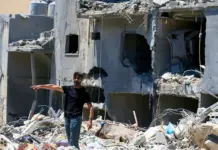
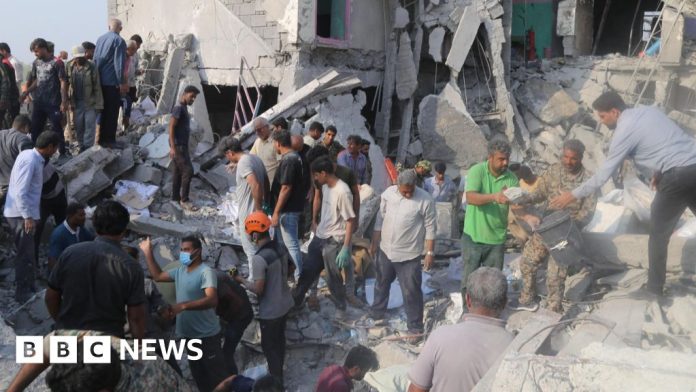
The Shajareh Tayyebeh girls’ elementary school in Minab, Hormozgan province, was struck by three missiles, according to an Iranian official. The school sits approximately 600 metres from a base of Iran’s Revolutionary Guard Corps, a primary target of the offensive. Workers were seen clearing rubble from the site on Saturday as the Iranian Red Crescent mobilised response teams. A local prosecutor confirmed the death toll of 108, while Iran’s IRNA news agency reported 63 additional people were injured in the strike alone.
Across the country, the Red Crescent recorded at least 201 deaths and 747 injuries as waves of US and Israeli air strikes hit multiple Iranian cities throughout the day. A second school — an elementary institution east of Tehran — was also struck, killing at least two students.
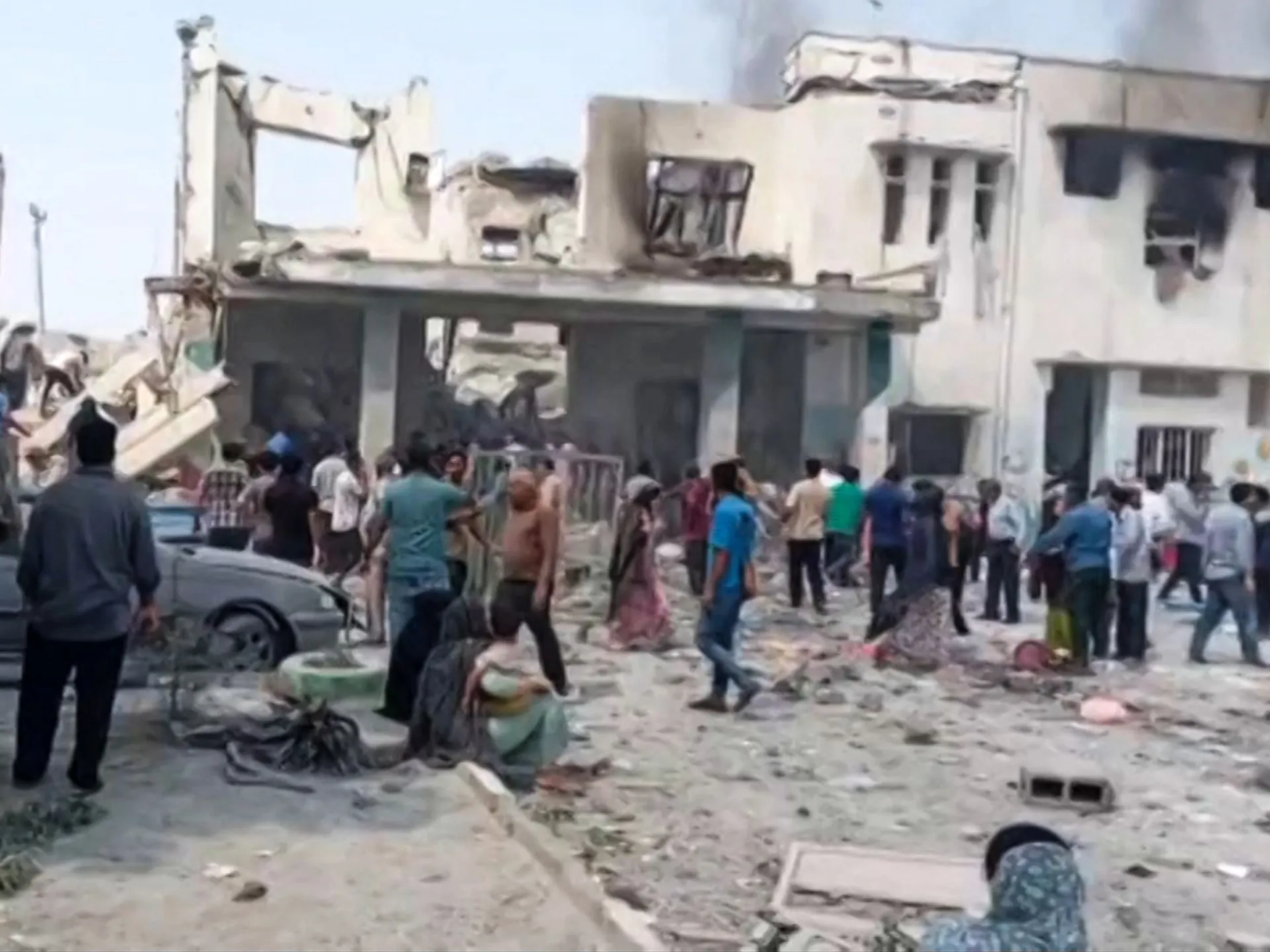
Iranian President Masoud Pezeshkian described the Minab attack as a ‘barbaric act.’ Foreign Minister Abbas Araghchi stated the strike had destroyed the school and killed innocent children, while Foreign Ministry spokesperson Esmaeil Baghaei called it a ‘blatant crime’ and urged the UN Security Council to act. Neither the United States nor Israel issued an immediate response to Iranian claims regarding the school strikes.
Eyewitness accounts circulating on Iranian social media described scenes of chaos and unpreparedness. One user stated the school had no shelters, that no warning had been issued to keep children home, and that internet and phone lines had been severed in the aftermath — conditions that severely hampered rescue coordination and independent verification of events on the ground. Verified footage showed smoke rising from a building in Minab, with crowds gathering and screaming audible in the background.
Verification of casualty figures from inside Iran remains difficult. International journalists are routinely denied visas to the country, limiting independent reporting from the ground.
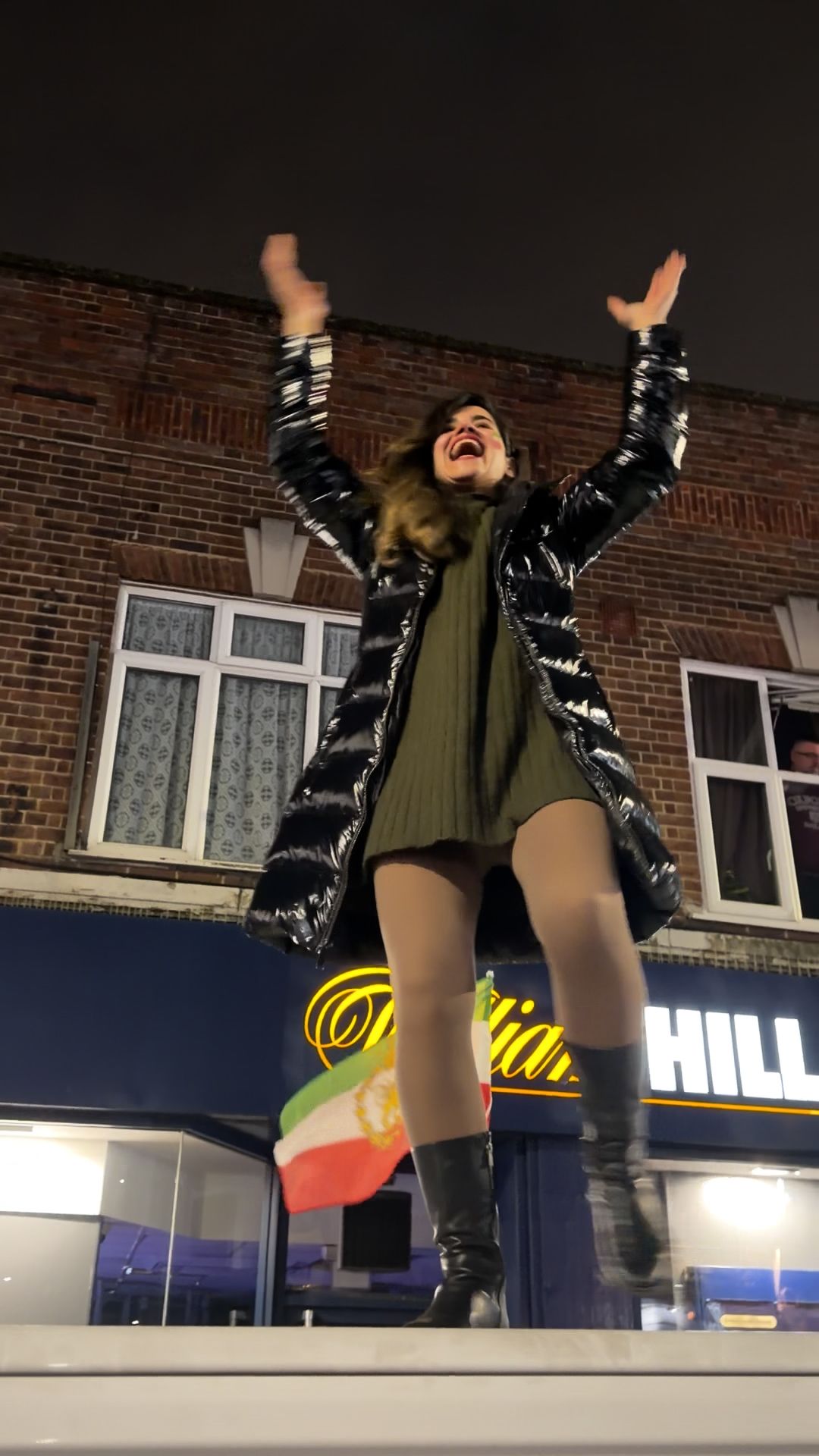
US President Donald Trump confirmed Khamenei’s death, stating the Supreme Leader had been killed in the initial strikes along with many of his senior commanders. Iranian state media subsequently confirmed the death, and two Israeli sources also verified the killing. Celebrations broke out in parts of Tehran on Saturday night following the news, a reflection of the deep divisions within Iranian society over four decades of clerical rule.
The offensive marks a dramatic escalation following a prior US-Iran military confrontation in June 2025 that lasted 12 days and left thousands of civilians killed or injured, with significant damage to public infrastructure. Saturday’s strikes appear far broader in scope, targeting not only military installations but triggering what Iranian officials described as an outbreak of regional violence. Iran launched a ballistic missile attack on Tel Aviv in the hours following the initial US-Israeli strikes.
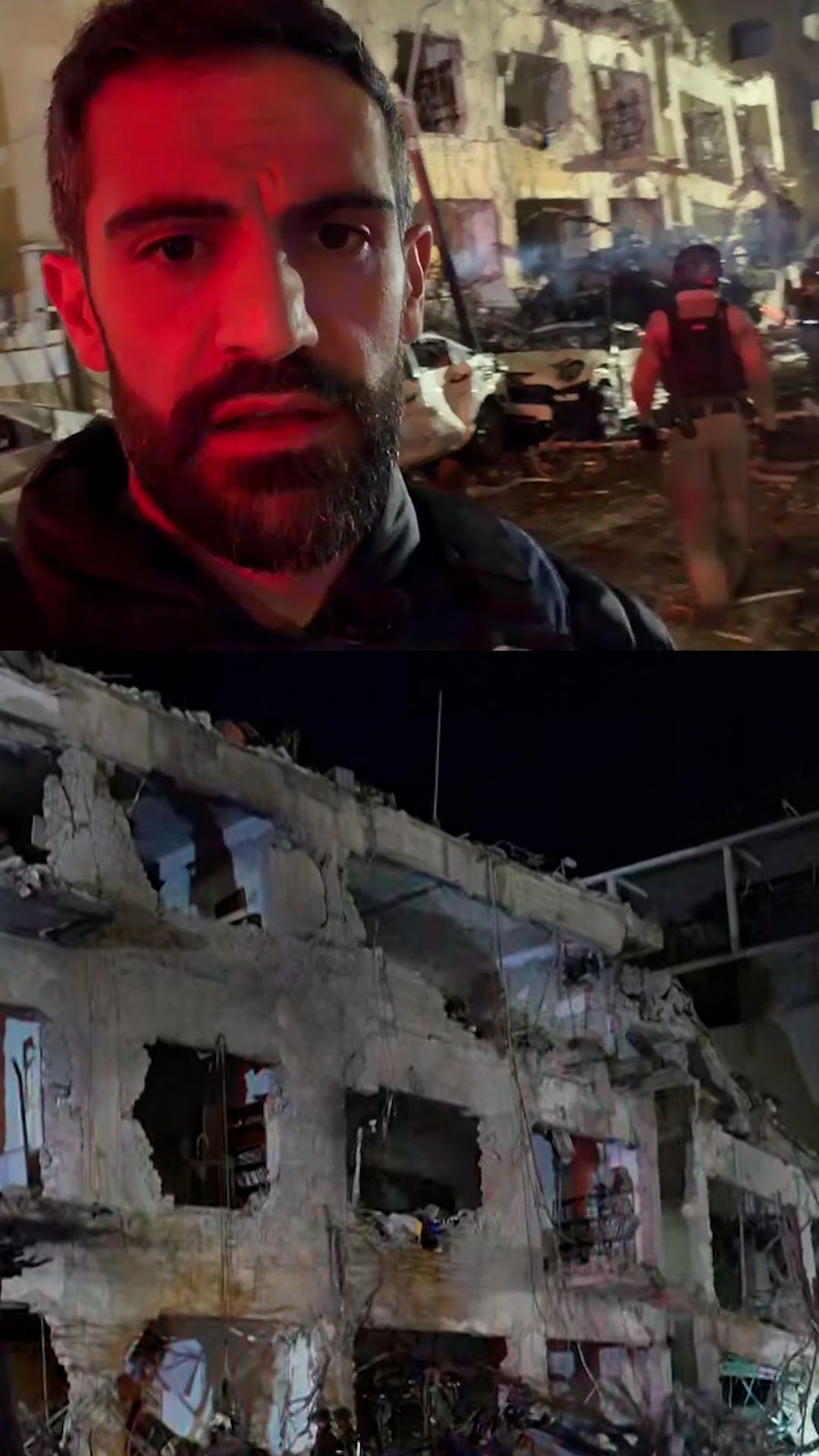
The proximity of the Minab school to a Revolutionary Guard base has become a focal point of the international debate over the strikes. Critics argue the attack raises serious questions about the precision of the offensive and the protection of civilian sites. Trump had previously promised the Iranian people that ‘aid or help was coming their way,’ a statement now viewed in starkly different terms given the civilian toll reported Saturday.
The scale and coordination of the joint offensive — striking targets simultaneously across multiple Iranian cities — represents a significant departure from previous US and Israeli military postures toward Tehran. With Khamenei dead, Iran’s political future remains deeply uncertain, even as its military and diplomatic apparatus continues to function and demand international accountability for the day’s events.