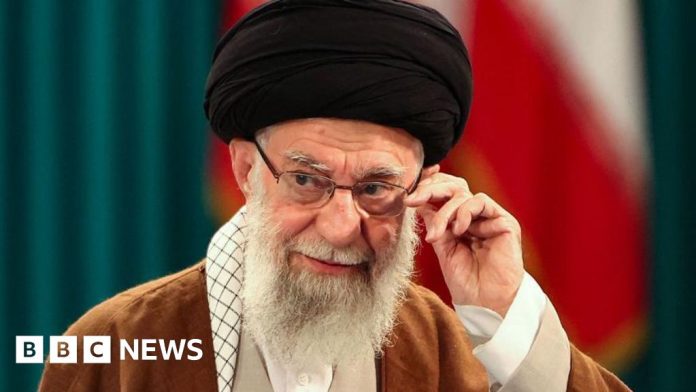
Tehran — Ayatollah Ali Khamenei, the supreme leader who commanded Iran for nearly four decades and shaped the Islamic Republic into a defiant regional power, was killed on the opening day of a sweeping joint US and Israeli air campaign that struck at the heart of the Iranian state. He was 86.
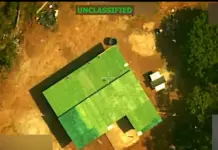
President Donald Trump announced Khamenei’s death, a declaration swiftly confirmed by Iranian state television — a remarkable moment in which the regime’s own broadcast apparatus acknowledged the elimination of its highest authority. Khamenei’s Tehran headquarters was among the first targets struck on Saturday, with satellite imagery revealing extensive damage to his compound. A source indicated that Khamenei had been transferred in advance to a secure location outside the capital, though the strikes ultimately proved fatal. An Israeli official confirmed that killing Khamenei had been an explicit objective of the operation.
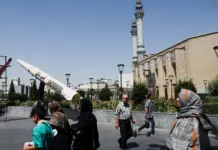
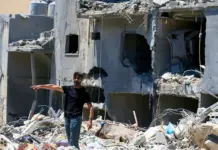
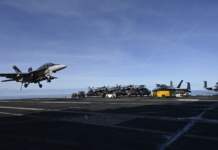
The air campaign targeted Iran’s nuclear facilities, its ballistic missile arsenal, and senior military commanders. American forces struck three key Iranian nuclear sites, while Iran launched retaliatory missile barrages toward Israeli cities. The scale of the assault marked a dramatic escalation of tensions that had been building for months.
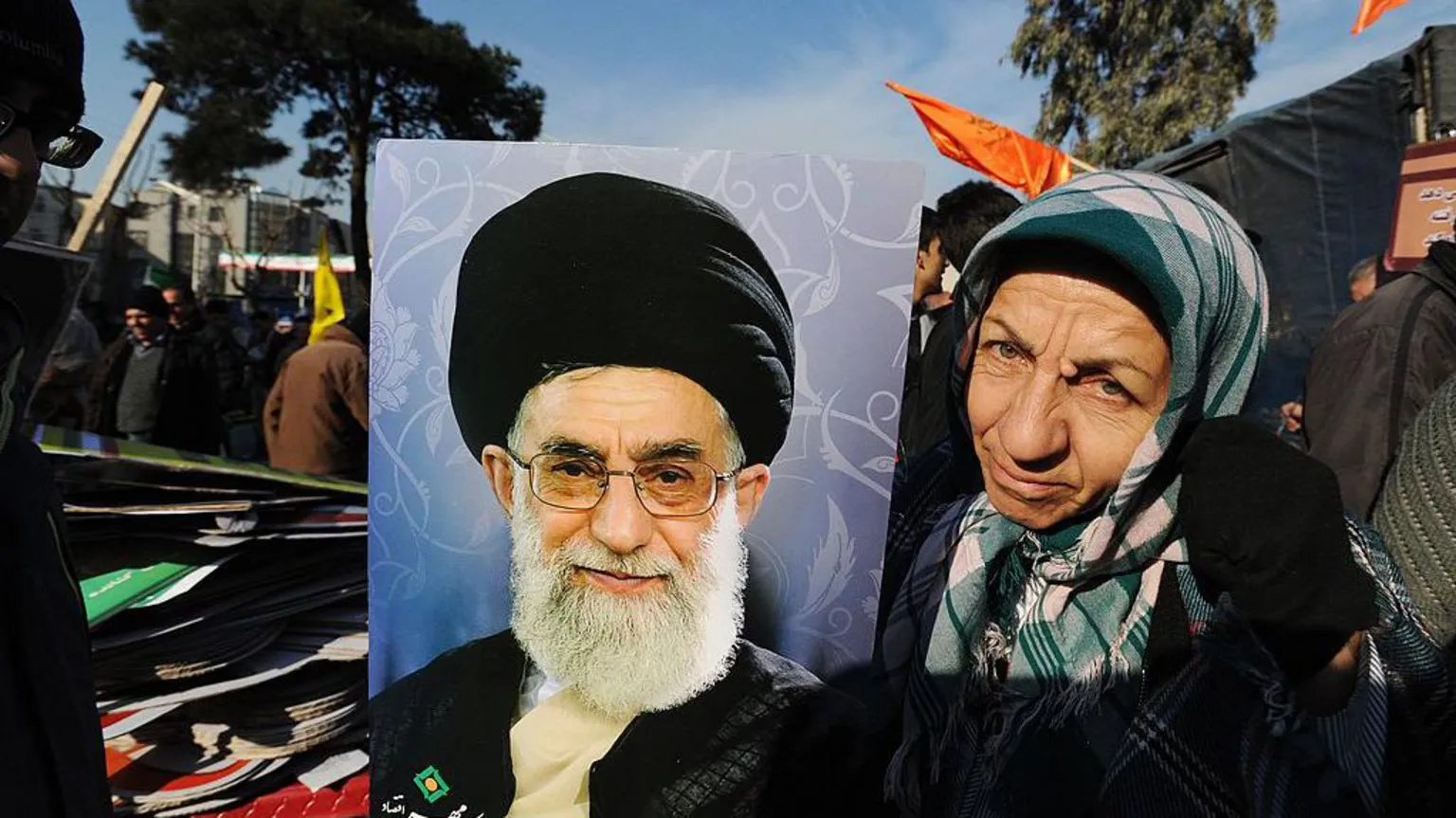
Khamenei had refused, until the end, to yield. When Trump ordered a US military build-up in the region and threatened strikes over Iran’s nuclear programme, Khamenei rejected demands to abandon uranium enrichment. At the close of January 2026, he issued a stark warning: if Americans started a war, it would become a regional war. Days later, the war came.
The death of Khamenei closes a chapter that began in 1989, when the Assembly of Experts selected him as successor to the Islamic Republic’s founder, Ayatollah Ruhollah Khomeini, who died that year at the same age — 86. Iran has now lost both of its supreme leaders, the only two the country has known since the 1979 Islamic Revolution. As head of state and commander-in-chief of the armed forces, including the powerful Revolutionary Guards, Khamenei held authority over every pillar of Iranian power.
Born in Mashhad, north-eastern Iran, in 1939, Khamenei was the second of eight children raised in a devout Shia household. His father was a mid-ranking cleric, and the young Ali qualified as a cleric himself by the age of 11. His political formation was forged under repression: the Shah’s secret police arrested him six times before the revolution swept the old order away.
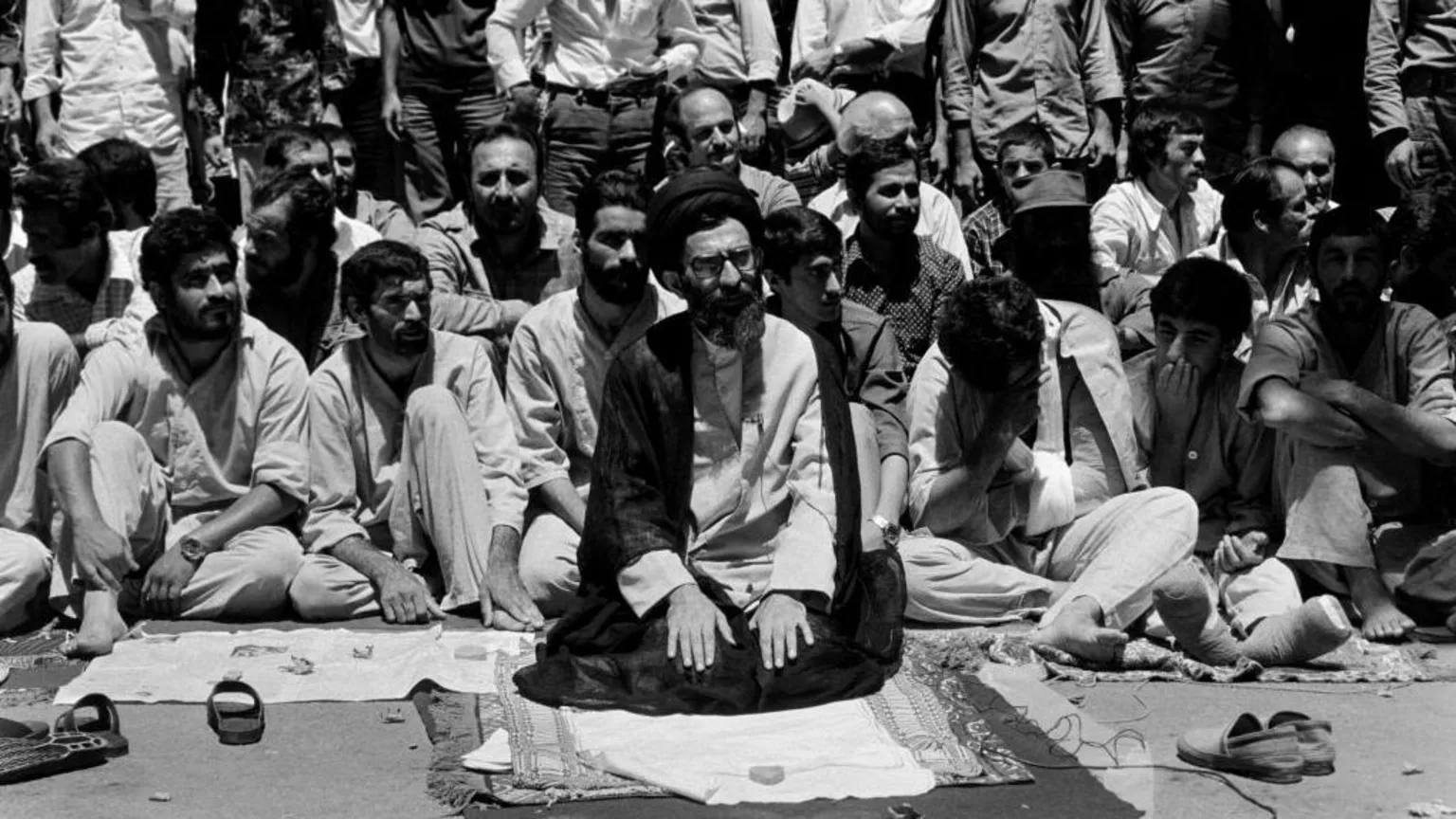
After 1979, Khomeini appointed Khamenei as Friday prayer leader of Tehran, thrusting him into the centre of revolutionary politics. His path was nearly cut short in June 1981, when a dissident group concealed a bomb inside a tape recorder that detonated during one of his lectures. Khamenei survived but permanently lost the use of his right arm. Later that year, President Mohammad-Ali Rajai was assassinated, and Khamenei won the subsequent presidential election with 97 percent of the vote — ascending to the presidency just as Saddam Hussein‘s Iraq pressed a brutal invasion that would consume eight years and hundreds of thousands of lives on both sides. Iraqi forces deployed chemical weapons against Iranian border villages during that conflict.
Over three decades as supreme leader, Khamenei constructed an elaborate architecture of control, embedding loyalists across parliament, the judiciary, the police, the media, and the clerical establishment. Dissent was met with force. Student protests in 1999 were crushed. A decade later, demonstrators challenging a disputed presidential election were pepper-sprayed, beaten, and shot in the streets. In 2019, when fuel price increases ignited nationwide unrest, Khamenei’s response was to shut down the internet entirely.
The death of Mahsa Amini — a 22-year-old woman who died in police custody in 2022 after being accused of improperly wearing her hijab — triggered the most sustained challenge to his rule in years. Human rights groups documented more than 550 deaths and 20,000 detentions during the subsequent protests. Then, in January 2026, economic collapse sparked a fresh wave of demonstrations. The crackdown that followed was catastrophic in scale: human rights organisations recorded at least 6,488 protesters killed and more than 53,700 detained.
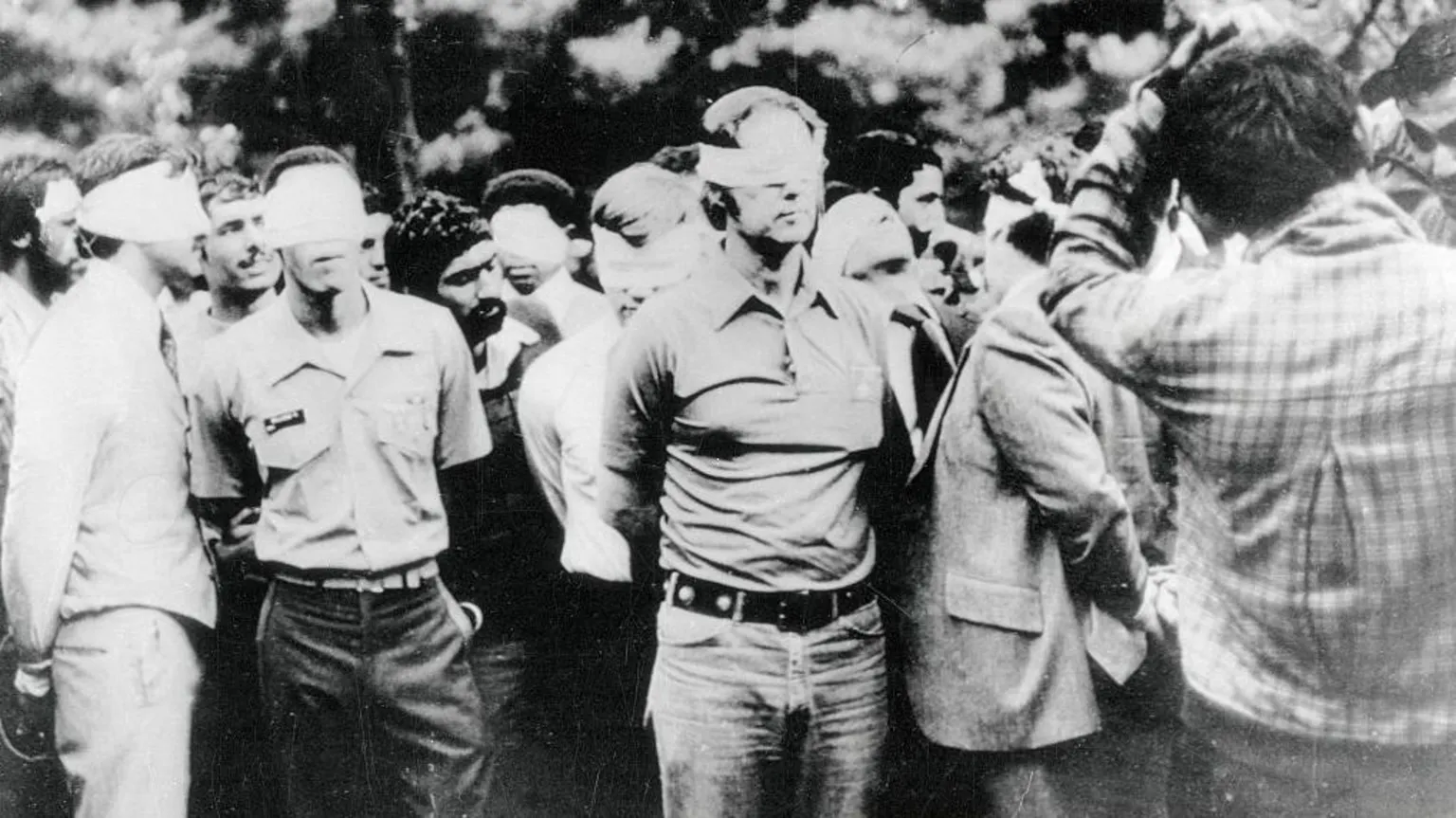
On the international stage, Khamenei navigated Iran through decades of confrontation with the West. After the September 11 attacks, President George W. Bush placed Iran in his ‘Axis of Evil’ alongside Iraq and North Korea. Khamenei cultivated Hezbollah in Lebanon as a strategic proxy against Israel and presided over an expanding nuclear programme, even as he issued a fatwa two decades ago declaring nuclear weapons un-Islamic. A landmark 2015 nuclear deal offered sanctions relief in exchange for limits on enrichment, but Trump abandoned the agreement in 2018 and reimposed sweeping sanctions. Two years later, Trump ordered the assassination of Qasem Soleimani, the Revolutionary Guards’ most powerful general, in Iraq. In June 2025, Israeli forces struck Iran directly, targeting its nuclear programme, missile stockpiles, and military leadership — a campaign that set the stage for the broader assault that has now claimed Khamenei himself.
The Islamic Republic now confronts an existential question of succession, with its founding ideology, its military command, and its supreme leadership all under simultaneous assault. Iran has entered uncharted territory.