A third round of indirect negotiations between the United States and Iran wrapped up Thursday in Oman, with both Iranian officials and the Gulf mediator describing cautious but tangible progress — even as Tehran made clear it has no intention of surrendering to Washington’s mounting pressure campaign.
The talks come against a backdrop of extraordinary tension. Following an Israeli attack in June 2025, the United States conducted direct military strikes on Iranian territory, culminating in a 12-day summer war between Iran and the combined US-Israeli forces. Despite that military confrontation, Iran has held firm on the core demands it brought to the negotiating table.
Iranian Foreign Minister Abbas Araghchi captured Tehran’s posture in blunt terms, writing that Iran does not capitulate — because it is Iranian. The statement was a pointed rebuke to the Trump administration’s strategy of maximum pressure, which has combined military muscle-flexing with sweeping economic sanctions.
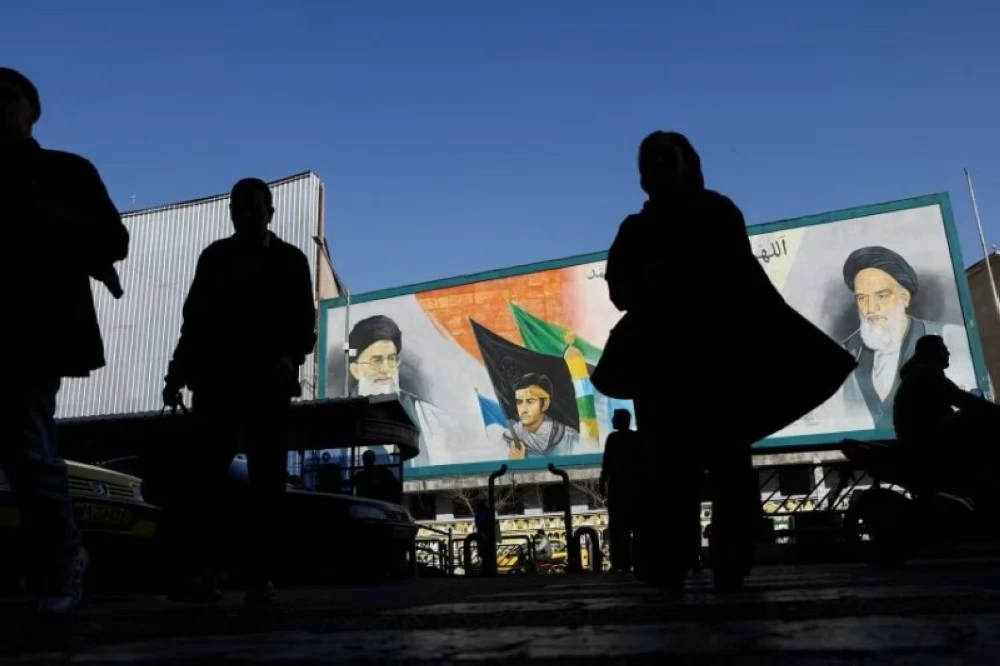
US special envoy Steve Witkoff, speaking Saturday on a Fox News programme hosted by the president’s daughter-in-law, revealed that President Donald Trump was questioning why Tehran had not yet yielded to American pressure over its nuclear programme. Witkoff was careful to avoid describing Trump as frustrated, saying instead that the president understands he retains “plenty of alternatives” when it comes to Iran policy — a phrase widely interpreted as a veiled reference to further military options.
At the heart of the impasse lies Iran’s insistence on enriching uranium on its own soil. As a signatory to the Nuclear Non-Proliferation Treaty, Tehran argues it holds an unambiguous right to develop nuclear energy for peaceful purposes. Washington acknowledges that right in principle but refuses to accept Iranian assurances that its enrichment activities will remain civilian in nature. After Trump withdrew from the landmark 2015 nuclear agreement in 2018, Iran dramatically accelerated its programme, enriching uranium to 60 percent purity — far beyond the levels needed for power generation, though still short of the roughly 90 percent threshold required for weapons-grade material.
Supreme Leader Ayatollah Ali Khamenei has issued a religious edict vowing Iran will never pursue a nuclear bomb, a commitment Tehran cites as a foundational constraint on its programme. Nevertheless, the gap between the two sides remains wide. Iran has refused to offer concessions substantially beyond those it accepted under the 2015 agreement, and has flatly rejected American efforts to broaden the current negotiations to encompass its ballistic missile arsenal and its support for armed groups across the Middle East.
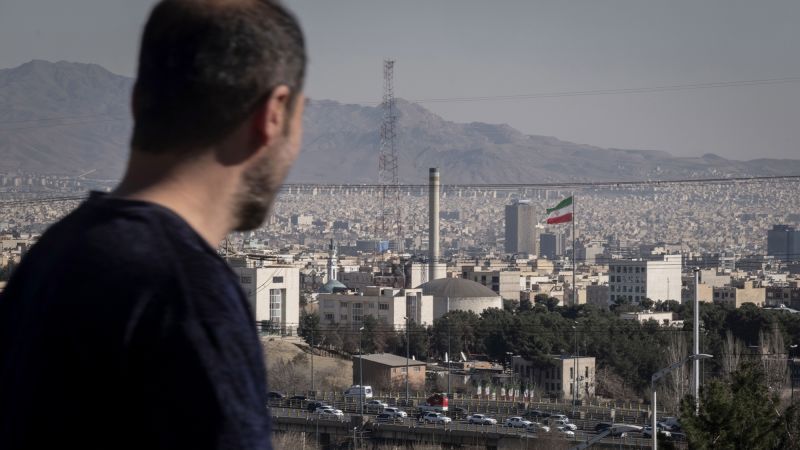
Tehran is also pressing for relief that goes well beyond nuclear-related sanctions, seeking a comprehensive unwinding of the economic restrictions that have strangled its economy for decades. Iran is among the world’s largest producers of oil and natural gas, and its population of 92 million people represents a vast consumer market that has remained largely inaccessible to Western firms throughout the sanctions era.
Analysts note that Iran’s negotiating posture is shaped by a civilisational self-perception as much as by strategic calculation. The country traces its history back 2,500 years and has been governed by a clerical establishment since the 1979 revolution — a leadership that has consistently framed resistance to foreign pressure as a matter of national identity and religious principle. Ironically, Iran’s nuclear programme itself was originally established with American assistance, a historical footnote that Tehran’s negotiators have not forgotten.
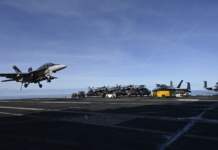
The United States, meanwhile, continues to expand its military footprint across the Middle East, a build-up that Washington has made no effort to conceal. The dual-track approach — military pressure combined with diplomatic outreach — mirrors tactics employed in other theatres, but experts caution that Iran presents a uniquely complex case.
The use of Oman as an intermediary reflects the delicate diplomatic architecture required to keep any channel open between Washington and Tehran, two governments that have not maintained formal diplomatic relations for more than four decades. Oman has historically served as a discreet back-channel between the two adversaries, a role it reprised in the lead-up to the 2015 agreement.
Whether the incremental progress reported from Thursday’s session can be translated into a durable framework remains deeply uncertain. Iran has survived military strikes, crippling sanctions, and internal unrest — including a recent serious challenge to the clerical regime — without fundamentally altering its strategic calculus. For an administration that has staked its credibility on forcing concessions, the question of what comes next if diplomacy stalls carries consequences that extend well beyond the negotiating room.