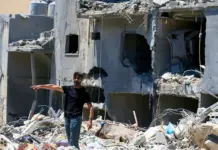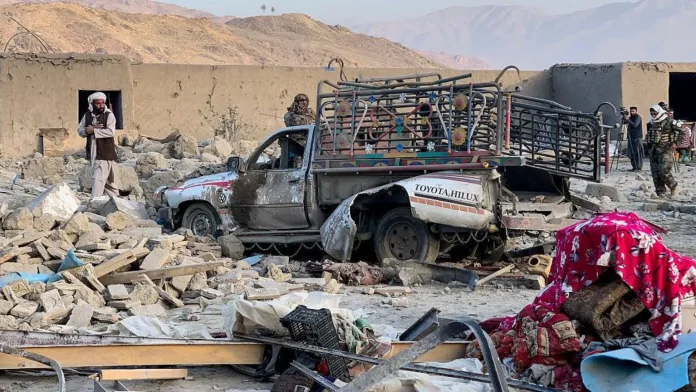
Residents of Kabul’s District 6 were jolted awake by a thunderous explosion Thursday night — a stark signal that the simmering conflict between Afghanistan and Pakistan had crossed a dangerous new threshold. By Friday, Pakistani warplanes were striking Afghan cities and border regions in a broad offensive that Pakistan’s own defence minister described as ‘open war.’
Pakistani airstrikes hit targets across Kabul, Paktia, Kandahar, Nangarhar, and Paktika provinces, targeting what Islamabad described as militant hideouts belonging to the Tehreek-i-Taliban Pakistan (TTP). The strikes on Kandahar carried particular symbolic weight — the province is both the birthplace and spiritual heartland of the Taliban movement now governing Afghanistan. Air and ground operations struck Taliban military posts, headquarters, and ammunition depots across multiple sectors of the frontier.
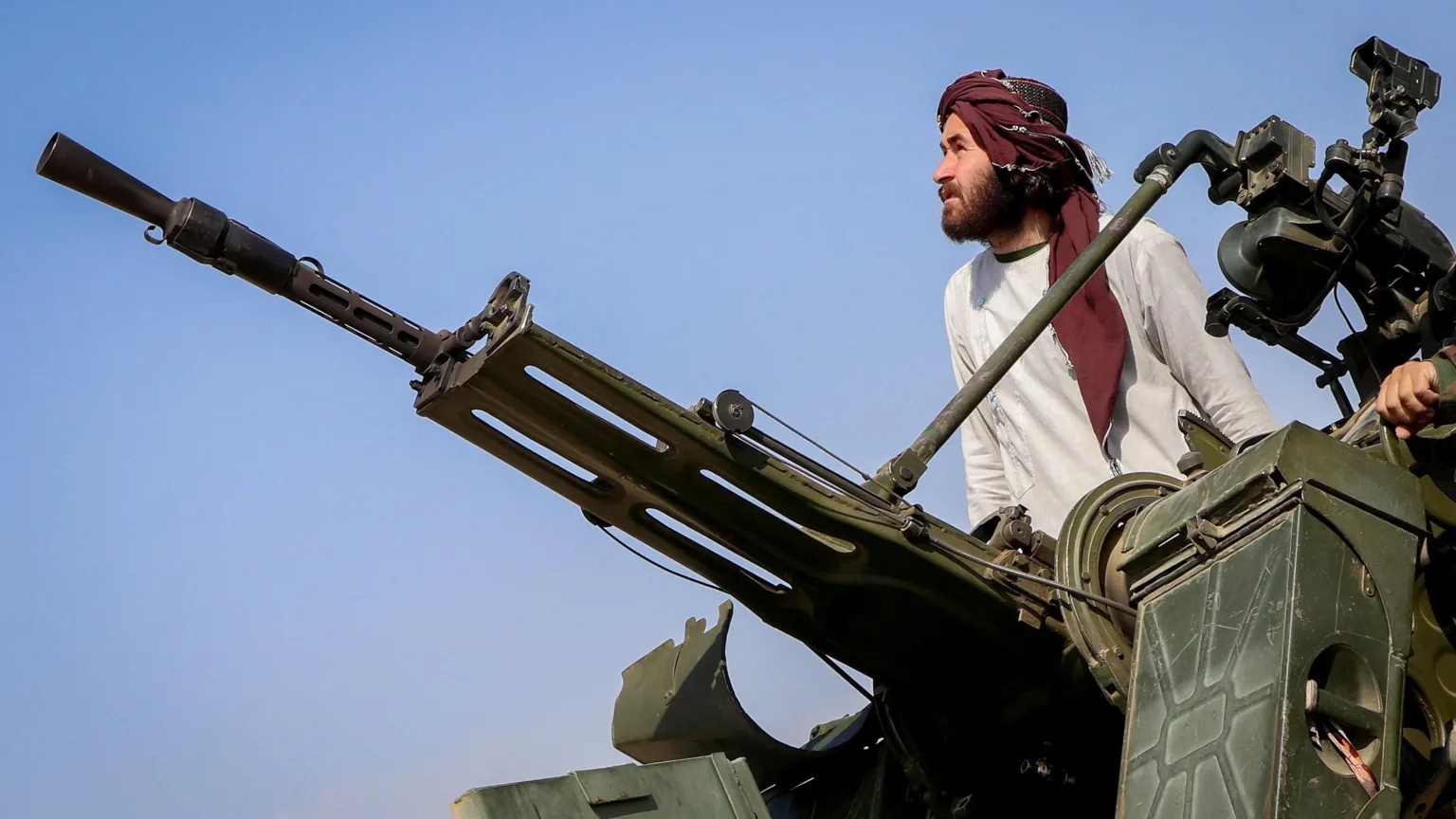
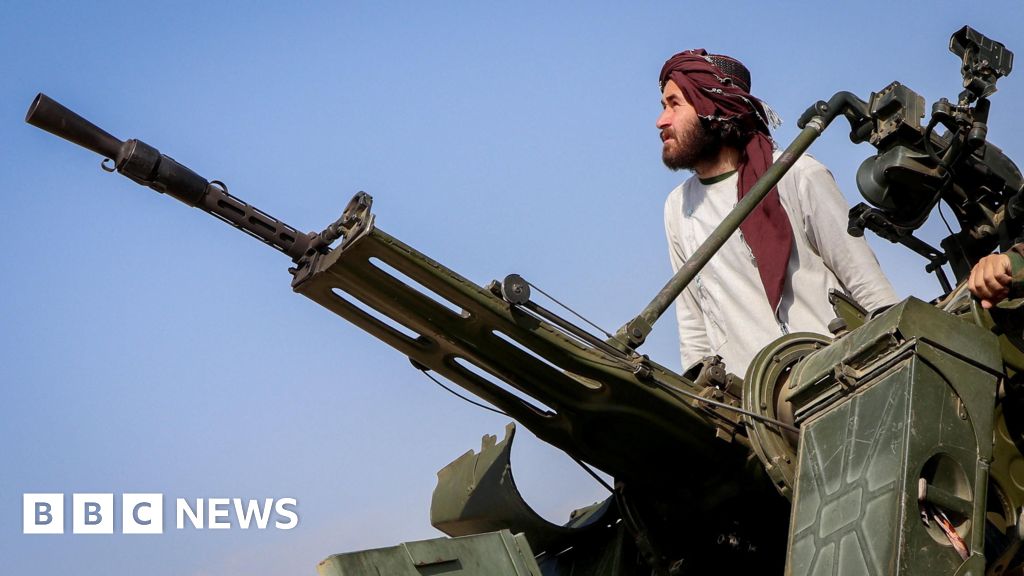
The Taliban government responded swiftly and forcefully. Kabul announced the launch of a major ground operation against Pakistani military positions near the border, claiming its forces had captured several Pakistani posts and killed or captured Pakistani soldiers. Taliban forces also deployed drones to strike targets inside Pakistan — a capability that underscores how the group has adapted militarily since its return to power in 2021, drawing on equipment left behind by former Afghan and foreign forces.
The immediate trigger for Pakistan’s latest offensive was an Afghan attack on Pakistani border forces, but the roots of the crisis run far deeper. Pakistani security officials presented what they called ‘irrefutable evidence’ linking militants based in Afghanistan to a recent wave of attacks inside Pakistan. Among the incidents cited: an assault in Bajaur district last week that killed 11 security personnel and two civilians, carried out by an Afghan national and claimed by the TTP. Officials listed seven planned or successful attacks since late 2024 with direct connections to Afghanistan-based operatives.
The bloodiest recent provocation was a suicide bombing at a Shia mosque in Islamabad that killed more than 30 people. While Islamic State claimed responsibility, Pakistan insists it holds conclusive evidence that the TTP orchestrated the attack — and that the TTP’s Afghanistan-based leadership, operating with the support of the Taliban government, directed it. Kabul has consistently denied permitting militants to use Afghan soil to launch cross-border attacks, and the Taliban in turn accuse Pakistan of harbouring Islamic State fighters, a charge Islamabad rejects.
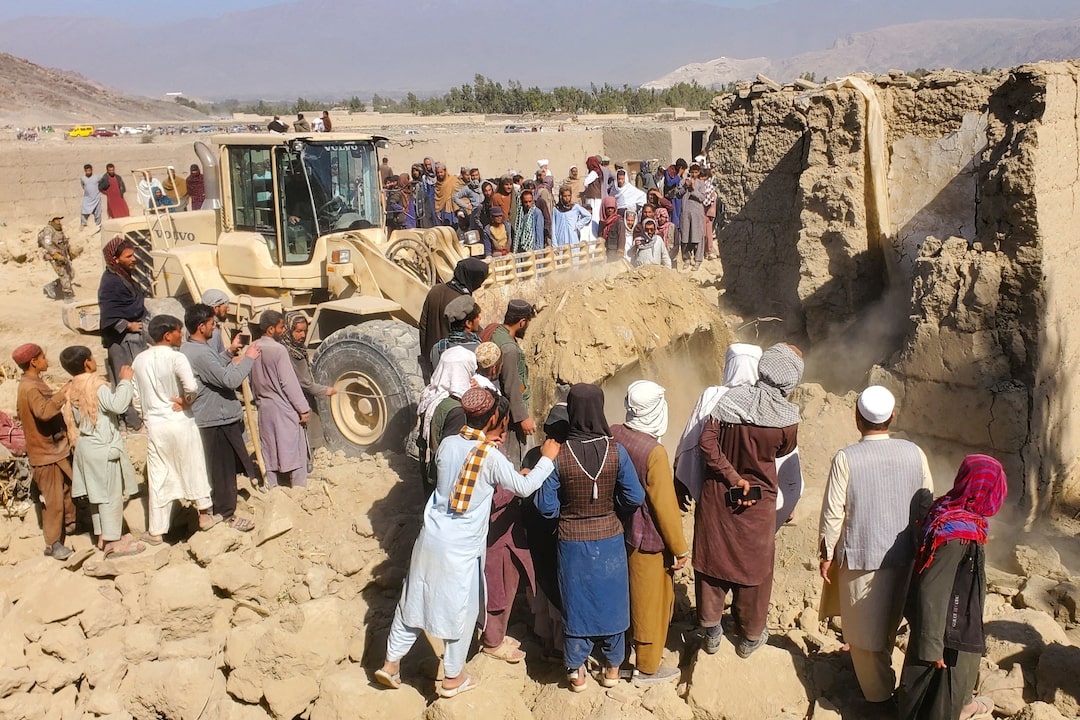
The United Nations has already raised alarm over civilian casualties. Credible reports indicate that 13 Afghan civilians were killed in Pakistani airstrikes carried out on 21 February, targeting Nangarhar and Paktika provinces — strikes that preceded the current escalation and foreshadowed it.
This is not the first time the two neighbours have lurched toward open conflict in recent months. A serious flare-up in October 2025 left dozens of soldiers dead on both sides before Qatar, Turkey, and Saudi Arabia stepped in to broker negotiations in Doha and Istanbul. A fragile ceasefire emerged from those talks, but it did not hold. Continued militant attacks inside Pakistan eroded the agreement, and trade between the two countries — already closed since October in the longest such disruption in decades — has yet to resume.
The military imbalance between the two sides is stark on paper. Pakistan fields more than 600,000 active military personnel, hundreds of tanks, and a modern air force equipped with advanced defence technology. The Taliban command roughly 172,000 personnel and rely on captured hardware. Yet Pakistan’s strategists cannot easily dismiss the Taliban’s battlefield experience. The movement endured more than two decades of sustained warfare against the United States and NATO — a crucible that forged a resilient and adaptive fighting force.
The TTP, the Pakistani militant group at the centre of Islamabad’s grievances, was founded in 2007 through the merger of several militant outfits active in northwest Pakistan. It is responsible for some of the country’s most devastating attacks, including the 2012 shooting of schoolgirl Malala Yousafzai, who survived and was awarded the Nobel Peace Prize two years later. Militancy linked to the group and affiliated organisations has increased every year since 2022, according to conflict monitoring data.
The crisis represents a profound reversal of fortune for a relationship that once appeared to hold promise. Pakistan was among the countries that welcomed the Taliban’s return to power in 2021, hoping for a degree of influence over its western neighbour. Instead, Islamabad now accuses Kabul of sheltering not only TTP fighters but also armed insurgents seeking independence for Balochistan. The Taliban, for their part, have shown little inclination to act against groups Pakistan considers existential threats.
With diplomatic channels strained, trade severed, and soldiers dying on both sides, the path back from the brink appears narrow. Verifying conditions on the ground remains difficult — the Taliban government severely restricts access for foreign journalists, leaving much of what is happening along the border shrouded in competing claims. What is clear is that a population already shaped by four decades of continuous war before 2021 now faces the prospect of yet another devastating conflict.