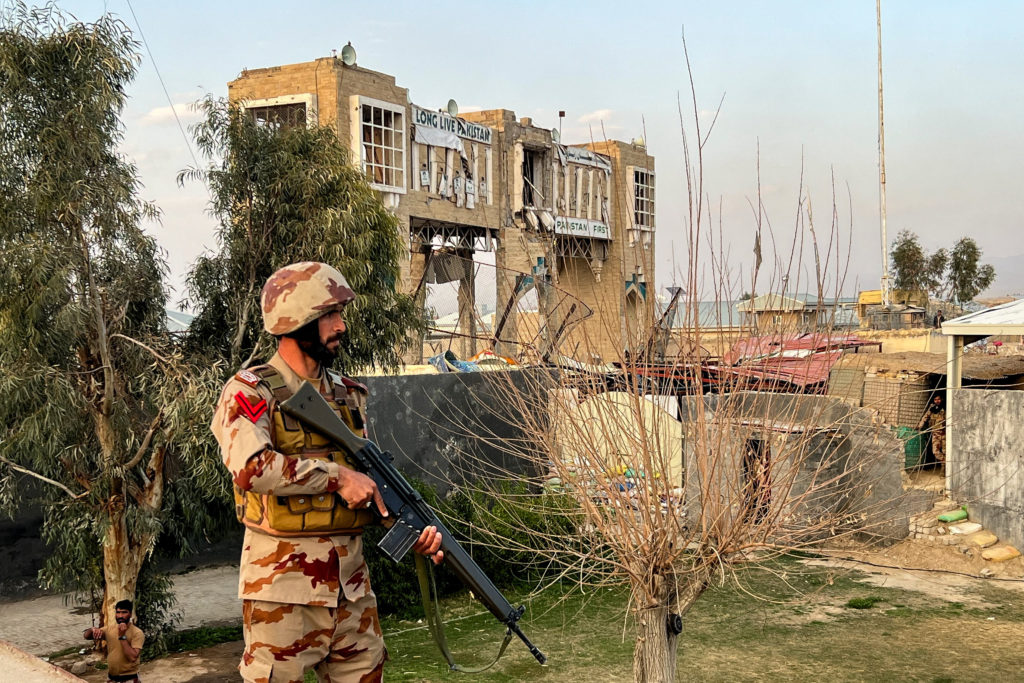
Pakistan and Afghanistan plunged into open armed conflict Friday after a rapid and deadly exchange of airstrikes, drone attacks, and ground offensives that both governments acknowledged had shattered what remained of a fragile regional peace. Pakistan’s Defence Minister Khawaja Muhammad Asif declared on social media that ‘our patience has now run out — now it is open war between us,’ marking one of the most explicit admissions of hostilities between the two neighbours in decades.
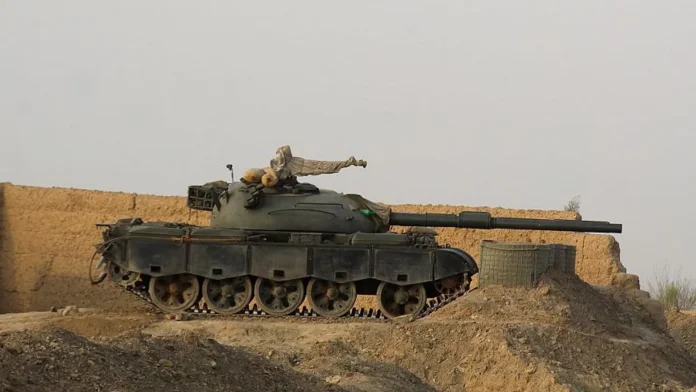
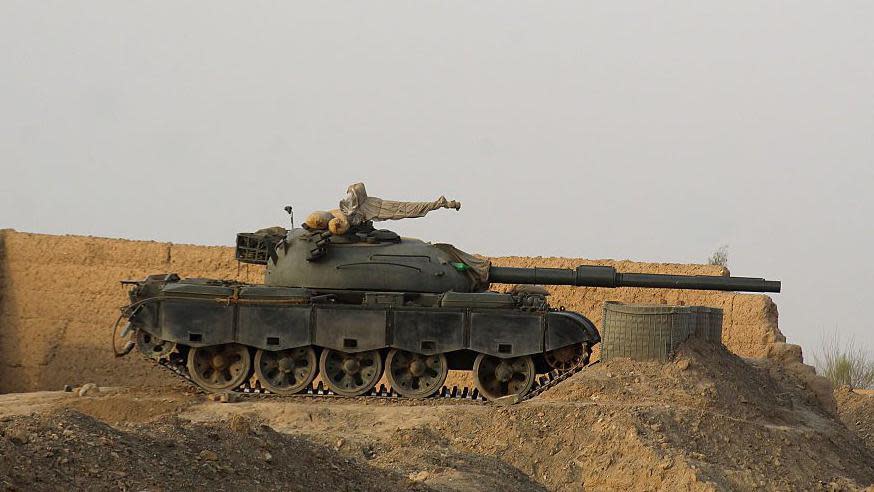
The crisis escalated sharply overnight Thursday into Friday. The Afghan Taliban launched what it described as a retaliatory military operation at approximately 20:00 local time (15:30 GMT) Thursday, striking Pakistani military posts along the countries’ shared 2,600-kilometre mountainous border. Taliban spokesman Zabihullah Mujahid, speaking from Kandahar, claimed the offensive captured 19 Pakistani military posts and two bases, and killed 55 Pakistani soldiers — figures Islamabad has not confirmed.
Pakistan’s military spokesman Ahmed Sharif Chaudhry offered a starkly different account, stating that Pakistani forces struck 22 Afghan military targets and killed more than 200 Taliban fighters. Pakistan acknowledged losing at least 12 of its own soldiers in the fighting. Mujahid disputed the Pakistani toll, saying only 13 Taliban fighters were killed and 22 others wounded in the Pakistani strikes, with an additional 13 civilians injured.
The violence did not stop at the ground level. The Taliban claimed it conducted drone strikes against Pakistani military positions in Kandahar and Helmand on Friday morning — a significant escalation in the group’s military capabilities. Pakistan’s Information Minister Atta Tarar confirmed that the military intercepted Afghan drones targeting Swabi, Nowshera, and Abbottabad, the latter a garrison city that houses Pakistan’s prestigious military academy. Pakistan, for its part, had already struck targets in Kabul, Kandahar, and Paktika — all provinces lying close to the shared border — in strikes it said were aimed at military installations.
The human cost extended beyond combatants. Taliban officials accused Pakistani rockets of striking a refugee camp in Nangarhar province housing Afghan citizens who had recently arrived from Pakistan, injuring at least nine people. The allegation added a humanitarian dimension to a conflict already drawing international alarm.
Prime Minister Shehbaz Sharif struck a defiant tone, asserting that Pakistani forces possessed ‘the full capability to crush any aggressive ambitions.’ Defence Minister Asif went further, accusing the Taliban of transforming Afghanistan into what he called ‘a colony of India’ — a charged geopolitical claim that signals how deeply bilateral mistrust has metastasised beyond the immediate border dispute.
At the heart of the conflict lies Pakistan’s long-standing accusation that the Taliban government in Kabul has provided sanctuary and support to anti-Pakistan militant groups responsible for a wave of suicide attacks inside Pakistan, including an assault on a mosque in the capital. The Taliban has denied facilitating such groups. Negotiations held last year between the two governments failed to produce a comprehensive agreement, and a ceasefire brokered in October proved short-lived.
The international community moved quickly to contain the crisis. Pakistan’s Foreign Minister Ishaq Dar, who was already in Saudi Arabia on an official visit, held urgent talks with his Saudi counterpart Faisal bin Farhan Al Saud and separately spoke with Turkish Foreign Minister Hakan Fidan. Iran offered to ‘facilitate dialogue’ between the two sides. UK Foreign Secretary Yvette Cooper called on both governments to re-engage in talks and take immediate steps toward de-escalation.
The conflict places two deeply intertwined but increasingly hostile neighbours on a dangerous trajectory. The Pakistani-Afghan border — one of the longest and most porous in Asia at 2,600 kilometres — has long been a corridor for militants, refugees, and trade. Since the Taliban’s return to power in 2021 following the withdrawal of NATO forces, Islamabad had initially hoped for a more cooperative relationship with Kabul. Those hopes have evaporated. Asif acknowledged as much, stating that Pakistan had anticipated stability after NATO’s departure but instead found itself facing a government it now accuses of actively working against Pakistani security interests.
With both sides presenting wildly divergent casualty figures, independent verification of the scale of losses remains impossible. What is not in dispute is that the exchange of strikes represents the most serious military confrontation between Pakistan and Afghanistan in years — one that regional powers and Western governments are scrambling to prevent from spiralling further out of control.