WASHINGTON/JERUSALEM — Secretary of State Marco Rubio travels to Israel on Monday and Tuesday for his fifth visit since taking office, arriving at a moment of acute diplomatic tension as the United States and Iran race to avert a military confrontation over Tehran’s nuclear programme.
Rubio’s agenda in Jerusalem will centre on Iran policy, the fragile situation in Lebanon, and advancing President Donald Trump’s 20-point plan for Gaza. The trip comes days after an inconclusive round of indirect US-Iran talks in Geneva and just as a fresh round of negotiations is scheduled to open in Austria on Monday — the same day Rubio lands in Israel.
Trump struck a contradictory tone on Friday, declaring he was “not happy” with the pace of negotiations while simultaneously indicating he was prepared to give diplomats additional time to reach an agreement. The president has drawn a firm red line: Iran must abandon uranium enrichment entirely — not at 20 percent, not at 30 percent, not at any level. “No enrichment,” Trump stated flatly. Yet he also acknowledged a preference to avoid military force, adding the ominous caveat that “sometimes you have to.”
The diplomatic backdrop is crowded and urgent. Oman, which is mediating the indirect talks, has described the negotiations as having achieved “significant, important and unprecedented progress.” Omani Foreign Minister Badr Al Busaidi — who met with US special envoy Steve Witkoff and presidential adviser Jared Kushner in Geneva on Thursday — was scheduled to meet with Vice President JD Vance in Washington on Friday in a further push to prevent the crisis from escalating into open conflict.
Iran’s Foreign Minister Abbas Araghchi described the Geneva session as the most intense round of talks yet, posting on X that further progress had been made. Tehran, however, continues to insist on its right to enrich uranium for peaceful purposes and denies pursuing a nuclear weapon. Iranian officials have called on Washington to abandon what they characterise as excessive demands.
The military dimension of the standoff is impossible to ignore. The USS Gerald Ford and USS Abraham Lincoln carrier strike groups have been positioned near Iran since January, and American forces continue to build up across the broader Middle East region. On New Year’s Day, Trump posted that US forces were “locked and loaded and ready to go.” During his State of the Union address, he accused Iran of spreading “terrorism and death and hate.” On February 19, he told reporters that Tehran had “10, 15 days, pretty much maximum” to reach a nuclear agreement.
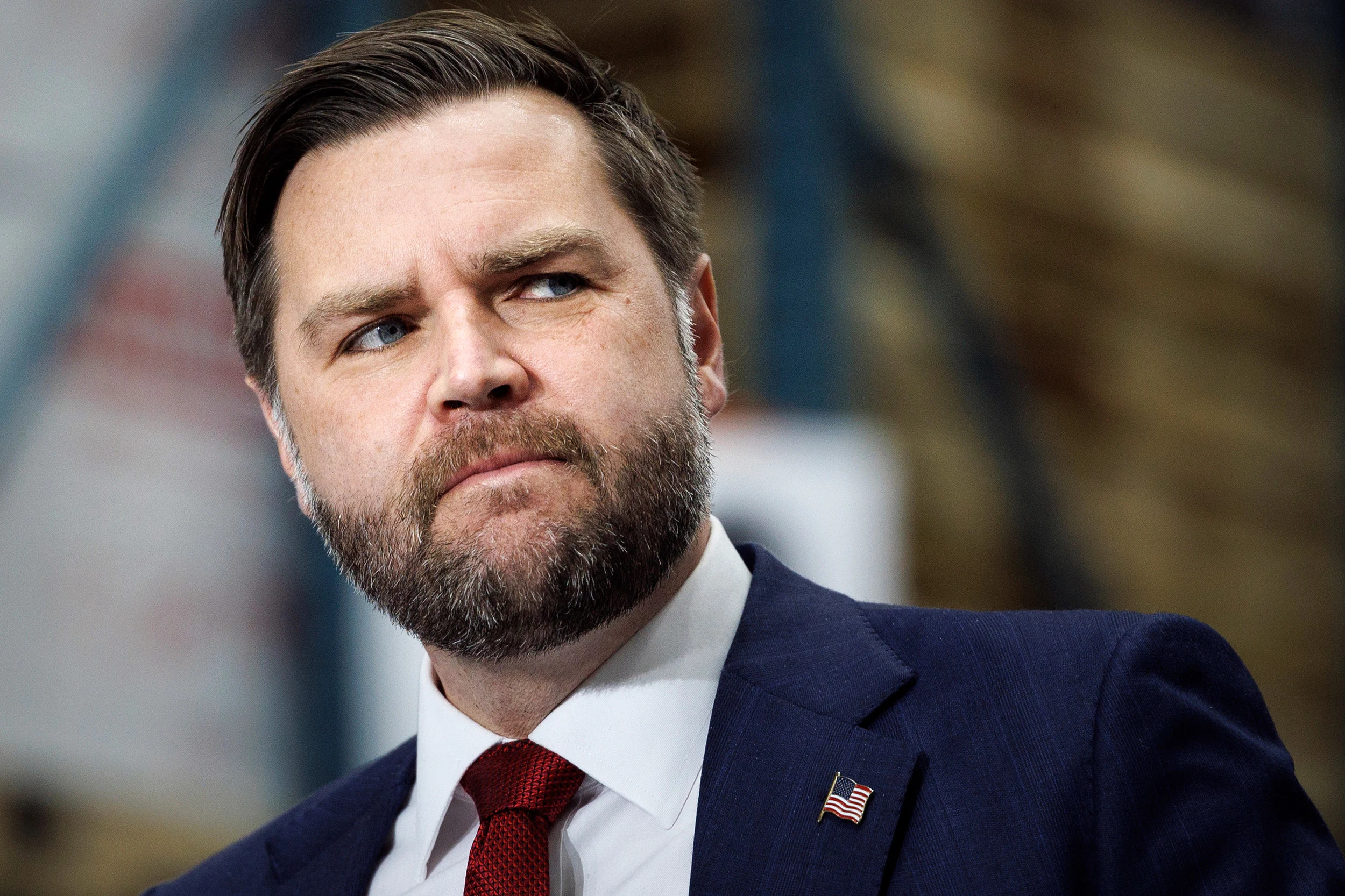
Despite the bellicose rhetoric, Vance sought to temper expectations of imminent military action. Speaking Thursday evening aboard Air Force Two, the vice president stated that the United States was not on the verge of entering a years-long war with Iran. Pentagon officials have privately warned that even limited strikes risk drawing the US into a prolonged conflict, and members of Congress have cautioned that military action could seriously undermine American military readiness. Democratic lawmakers have also expressed anger that Trump has not sought congressional authorisation for any potential strike.
The stakes are underscored by recent history. Last June, US forces conducted a 12-day bombing campaign — Operation Midnight Hammer — targeting three Iranian nuclear facilities, including the underground Fordow enrichment site. The International Atomic Energy Agency has since been blocked from accessing all three targeted locations, leaving the international community without a clear picture of the damage or Iran’s current nuclear capabilities. The 2015 Joint Comprehensive Plan of Action, which had placed limits on Iran’s nuclear activities, collapsed after Trump withdrew the United States during his first term.
Rubio this week designated Iran a “state sponsor of wrongful detention,” adding another layer of diplomatic pressure. The designation followed a report by UN High Commissioner for Human Rights Volker Türk that eight Iranian protesters have been sentenced to death, with 30 more at risk of receiving capital sentences.
Heightened security concerns are also reshaping the US diplomatic footprint in the region. Ambassador Mike Huckabee sent an internal email authorising non-emergency embassy personnel and their families to leave Israel, and the US Embassy in Jerusalem issued a public notice citing safety risks stemming from terrorism and civil unrest.
Rubio’s previous visits to Israel — in February 2025, September 2024, and twice in October 2024 — reflect the centrality of the Israeli-American relationship to Washington’s broader Middle East strategy. His latest trip arrives at a juncture where the outcomes of nuclear diplomacy, Gaza reconstruction, and Lebanese stability are deeply intertwined, and where the margin for miscalculation on any front appears dangerously thin.