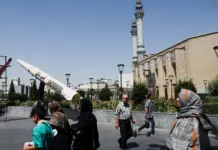
A third round of indirect nuclear negotiations between the United States and Iran ended in Geneva on Thursday without an agreement, triggering a cascade of diplomatic evacuations, military posturing, and stark warnings from Washington that armed conflict remains firmly on the table.
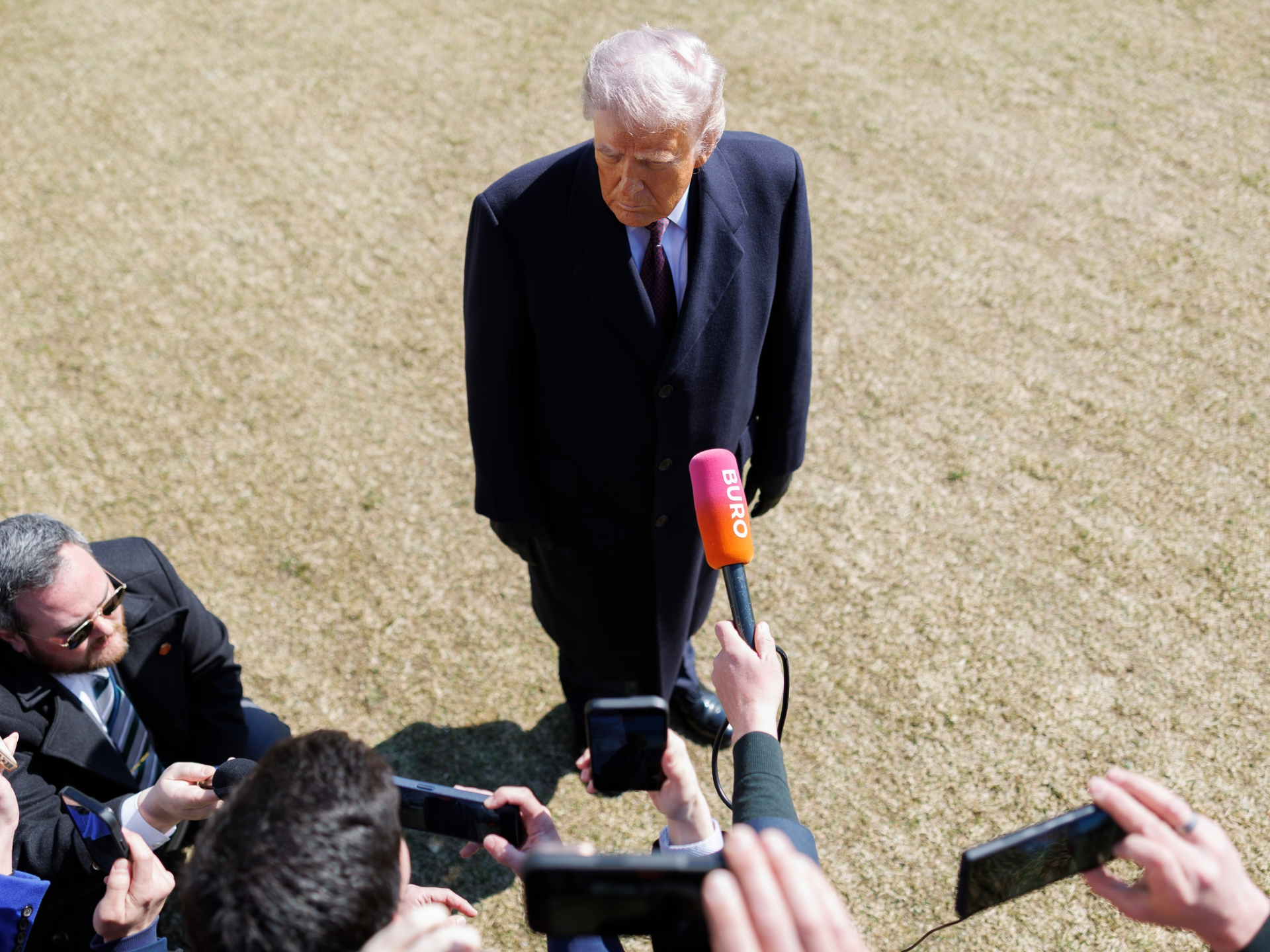
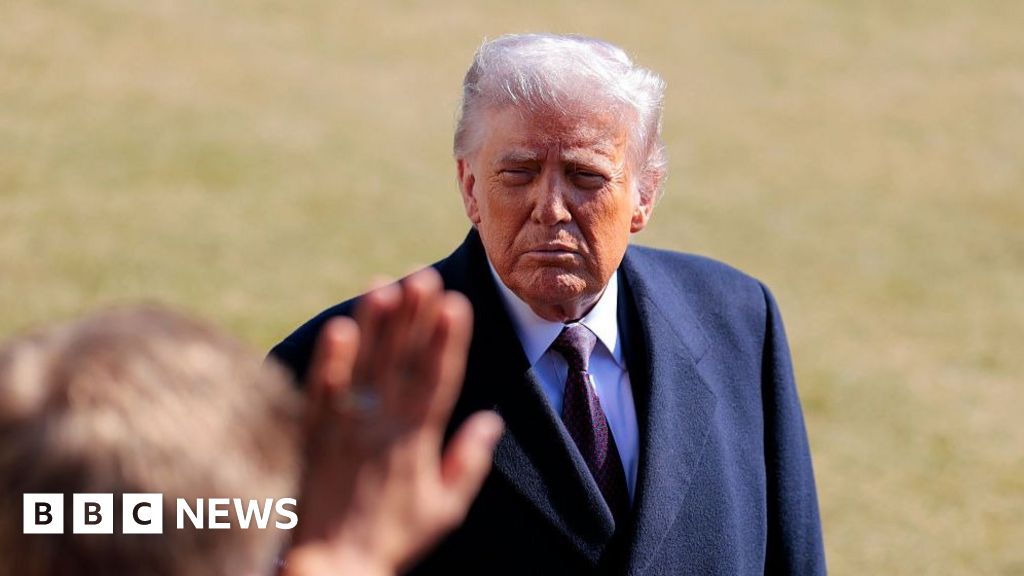
President Donald Trump, speaking at the White House on Friday, made no effort to conceal his frustration. “I’m not happy” with the pace of negotiations, he said, adding that while he would prefer a diplomatic resolution, “sometimes you have to” use military force. Trump’s stated position — that Iran must halt all uranium enrichment, even at levels as low as 20 or 30 percent — represents a maximalist demand that Tehran has so far refused to accept.
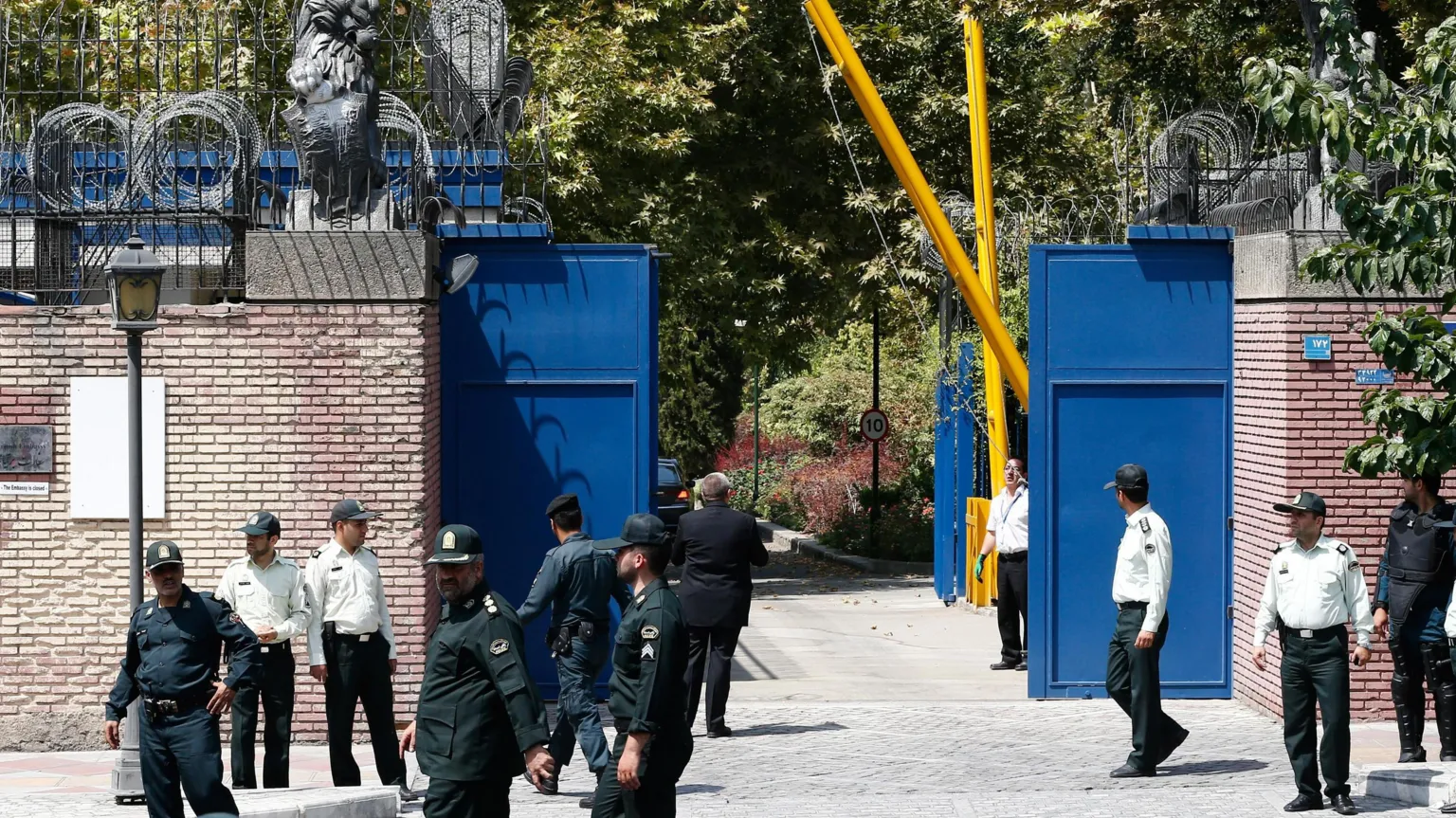
The breakdown in Geneva prompted an immediate and visible response from governments worldwide. The United Kingdom temporarily withdrew staff from its embassy in Tehran on Friday and updated its travel guidance to advise against all but essential travel to Israel. Germany and France issued similar warnings regarding Israel. China, India, and Canada went further, urging their citizens to leave Iran as soon as possible. The United States told its own nationals in Iran to depart immediately.
Inside Israel, the US Embassy in Jerusalem issued a public notice citing “safety risks” stemming from “terrorism and civil unrest.” Ambassador Mike Huckabee sent an email to embassy staff authorising those who wished to leave to do so at once, while the State Department ordered all non-essential personnel to evacuate the US Embassy in Beirut following a security review. Secretary of State Marco Rubio is scheduled to arrive in Israel on Monday for his fifth visit as secretary of state, where he is expected to meet Prime Minister Benjamin Netanyahu and discuss Iran, Lebanon, and the implementation of Trump’s 20-point plan for Gaza.
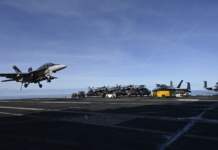
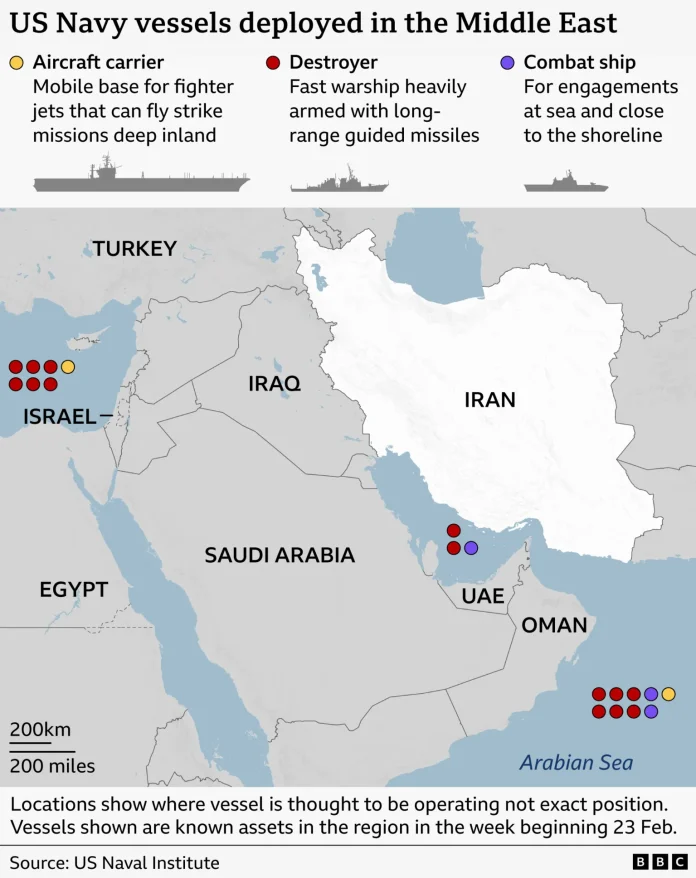
The military dimensions of the standoff are considerable. Trump has ordered the largest American military build-up in the Middle East since the 2003 invasion of Iraq. The USS Gerald Ford and USS Abraham Lincoln carrier strike groups have been positioned near Iran since January, accompanied by additional warships, fighter jets, and aerial refuelling aircraft. On January 1, Trump posted on Truth Social that US forces were “locked and loaded and ready to go.” Vice-President JD Vance told reporters on Thursday that strikes remained under active consideration, though he insisted there was “no chance” of the United States becoming entangled in a prolonged conflict.
Despite the diplomatic rupture, both sides offered cautiously optimistic assessments of the Geneva talks. Oman‘s Foreign Minister Badr Albusaidi, who mediated the discussions, said “significant progress” had been achieved and disclosed that Tehran had agreed never to stockpile enriched uranium. Iran’s Foreign Minister Abbas Araghchi, who led his country’s delegation, described the outcome as “good progress” and confirmed that further negotiations would take place within a week. Technical-level discussions are now planned for Vienna on Monday.
The backdrop to these talks is shaped by a dramatic episode from June, when the United States bombed three of Iran’s nuclear facilities. Trump declared at the time that the strikes had “obliterated” the sites. Iran subsequently claimed its enrichment activity ceased following the attack. However, the International Atomic Energy Agency reported on Friday that it had been denied access to uranium enrichment sites since the June bombing. In a confidential report, the UN’s nuclear watchdog stated it was critical that its inspectors be granted access without further delay — a finding that deepens international concern about the true state of Iran’s programme.
Washington and its allies have long suspected Iran of moving toward nuclear weapons capability. Tehran categorically denies this, insisting its programme serves exclusively civilian and peaceful purposes. Nevertheless, Iran has enriched uranium to near weapons-grade levels, a fact that has driven the urgency of the current diplomatic push.
Adding another layer of pressure, Rubio on Friday designated Iran a “state sponsor of wrongful detention” — the first application of a power created in September enabling the US government to sanction countries that unjustly detain American citizens. The designation signals Washington’s intent to maintain maximum pressure on Tehran across multiple fronts simultaneously.
Trump had previously set a self-imposed deadline, stating on February 19 that the world would know within ten days whether the US would reach a deal with Iran or resort to military action. That window has now closed without resolution. Whether the Vienna talks scheduled for Monday can bridge the gap between Washington’s demand for zero enrichment and Tehran’s insistence on its right to a civilian nuclear programme will determine whether the crisis deepens further — or finds an unlikely diplomatic exit.