High-stakes negotiations between the United States and Iran over Tehran’s nuclear program concluded in Geneva on Thursday without reaching an agreement. The discussions, which were held indirectly over two sessions, saw both sides unable to bridge significant gaps, although Iranian Foreign Minister Abbas Araghchi reported ‘good progress’ had been made.
The talks, facilitated by Omani mediators, are expected to reconvene at a technical level in Vienna next week. The US delegation was led by Steve Witkoff, President Donald Trump’s special envoy to the Middle East, while Iran’s position was represented by Araghchi. The negotiations are part of ongoing efforts to address international concerns over Iran’s nuclear ambitions.
Central to the discussions is Iran’s stockpile of uranium enriched to 60% purity, which the International Atomic Energy Agency (IAEA) estimates at 400 kilograms. This level is close to weapons-grade, raising alarm among Western nations. The IAEA, led by Director General Rafael Grossi, also reported that Iran possesses 8,000 kilograms of uranium enriched to 20% or below.
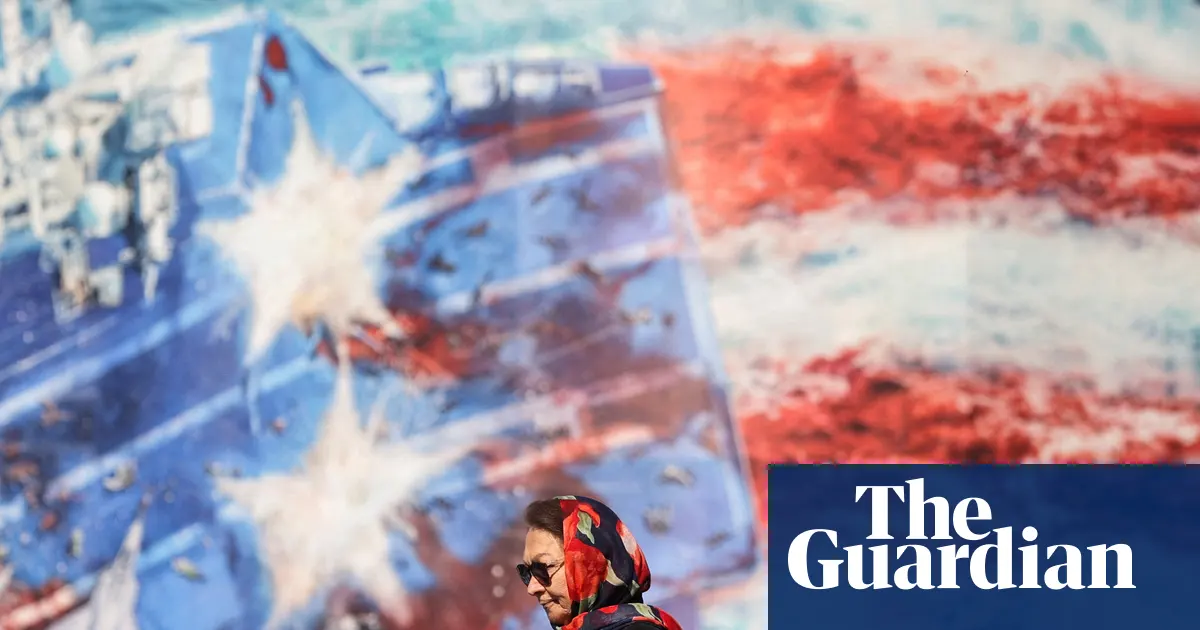
The United States is demanding permanent guarantees from Iran regarding uranium enrichment levels. However, Iran has consistently denied any intention to develop nuclear weapons, proposing instead to allow low-level enrichment under United Nations supervision after a period of three to five years. This proposal had not previously faced objections from the US.
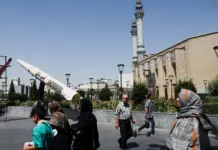
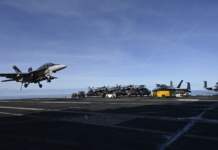
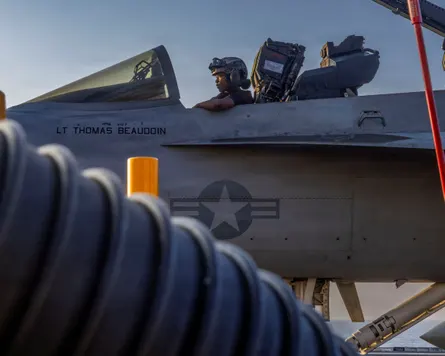
Complicating the negotiations is Iran’s refusal to include its ballistic missile program in the discussions. Iran’s missiles, capable of reaching up to 1,300 miles, remain a point of contention. Meanwhile, the US has positioned two aircraft carrier strike groups and submarines equipped with Tomahawk missiles in the region, underscoring the military stakes involved.
Despite the lack of a breakthrough, the talks are seen as a critical step in addressing the nuclear issue. The presence of substantial military assets highlights the potential for escalation, with 56% of Americans reportedly lacking trust in President Trump to make the right decision regarding military force outside the US.
As the international community watches closely, the continuation of talks in Vienna will be pivotal in determining the future of Iran’s nuclear program and regional stability. The involvement of the IAEA and the diplomatic efforts by Oman underscore the complexity and urgency of reaching a resolution.