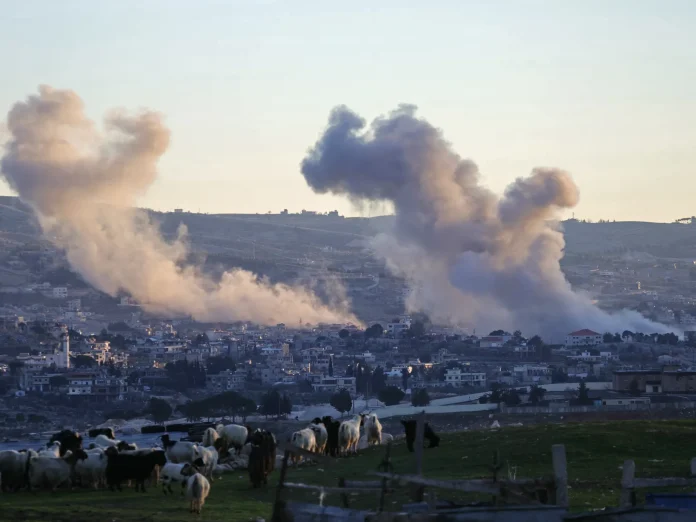
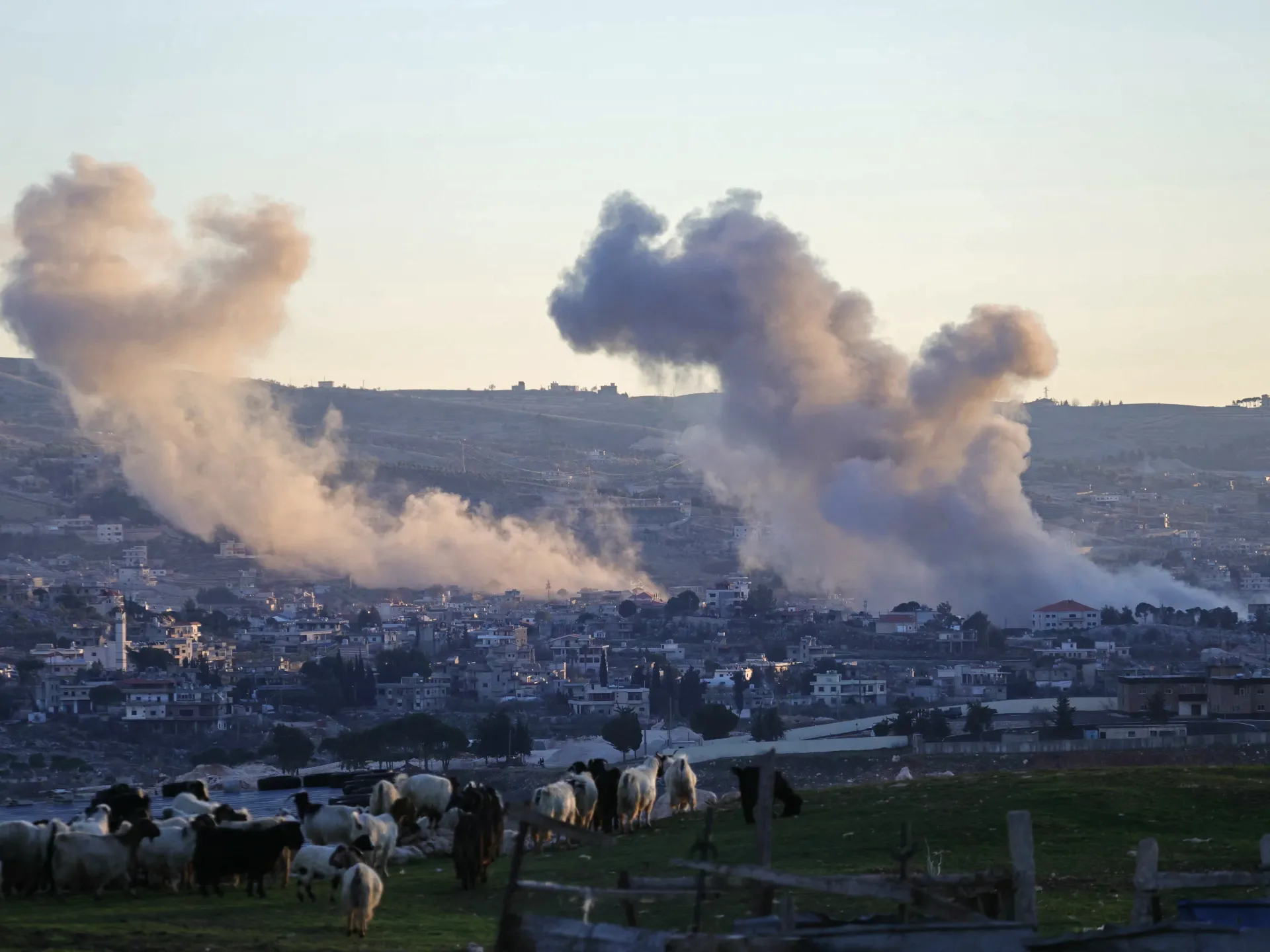
Israeli air strikes in Lebanon’s Bekaa Valley have resulted in the death of a 16-year-old Syrian boy, Hussein Mohsen al-Khalaf, and injured 29 others, as tensions between Israel and Hezbollah continue to escalate. The Lebanese Ministry of Health confirmed the fatality, which occurred during a strike on Kfar Dan near Baalbek.
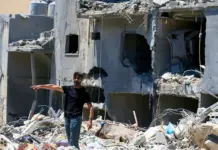
At least 13 air strikes were recorded across the Bekaa Valley, with specific targets including four strikes in Shmestar, five in Boudai, and two each in Harbata and the Hermel and Nabi Chit mountains. The strikes also caused significant damage to several shops in the Baalbek Souk in Tallet al-Ajami.
The Israeli military stated that the attacks were directed at eight camps belonging to Hezbollah’s special operations unit, the Radwan Force, alleging that these sites stored weapons and missiles in violation of prior agreements between Israel and Lebanon. Despite a ceasefire with Hezbollah established in November 2024, Israel has continued its military operations in Lebanon, citing threats from Hezbollah and Hamas command centres.
Since the ceasefire, more than 300 people have been killed, including 127 civilians, according to United Nations data. Last week, Israeli strikes in the Bekaa Valley and the Ein el-Hilweh Palestinian refugee camp near Sidon resulted in at least 12 deaths.
Lebanon has responded by filing a complaint with the United Nations in January, documenting 2,036 Israeli violations between October and December 2025. The Lebanese government has urged the UN Security Council to pressure Israel to cease its actions and withdraw from Lebanese territory, as the ongoing occupation hinders the reconstruction of border villages.
While Lebanon has nearly completed its ceasefire commitment to disarm Hezbollah south of the Litani River, the government states it will require an additional four months to finalize the second phase of disarmament. However, Hezbollah has rejected the disarmament plan, asserting that it only applies to areas south of the river.
The continued hostilities underscore the fragile nature of the ceasefire and the complex geopolitical dynamics at play in the region. As both sides remain entrenched in their positions, the potential for further escalation looms, threatening regional stability and civilian safety.