The third round of indirect nuclear talks between Iran and the United States is currently taking place in Geneva, Switzerland, with Oman acting as a mediator. The discussions, which include the participation of the International Atomic Energy Agency (IAEA) chief Rafael Grossi, aim to address the contentious issues surrounding Iran’s nuclear program and the escalating tensions in the Middle East.
US Secretary of State Marco Rubio emphasized the United States’ preference for a diplomatic resolution to the ongoing standoff with Iran. Meanwhile, Iran’s Foreign Minister Abbas Araghchi reaffirmed Tehran’s commitment to never develop a nuclear weapon, while asserting the nation’s right to harness peaceful nuclear technology for its people.
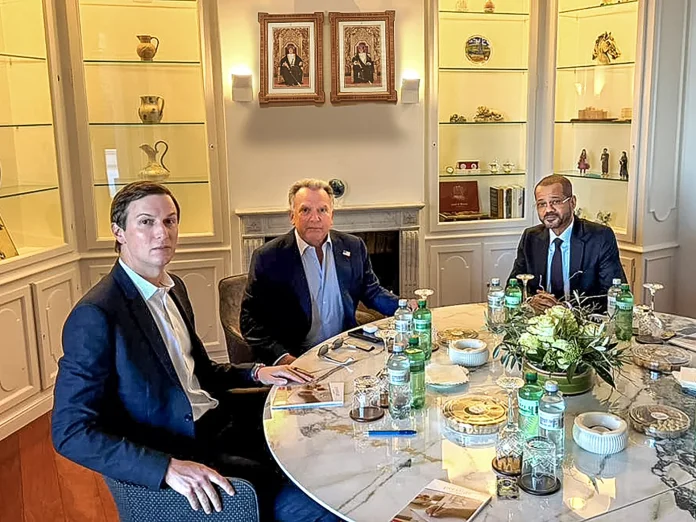
In preparation for the talks, Oman’s Foreign Minister Badr al-Busaidi engaged in discussions with US negotiators Steve Witkoff and Jared Kushner. The Iranian delegation, led by Foreign Ministry spokesperson Esmaeil Baghaei, is expected to arrive shortly to join the negotiations. Prior to the talks, Iran submitted a draft proposal to Oman, seeking to assess the seriousness of the US’s intentions.
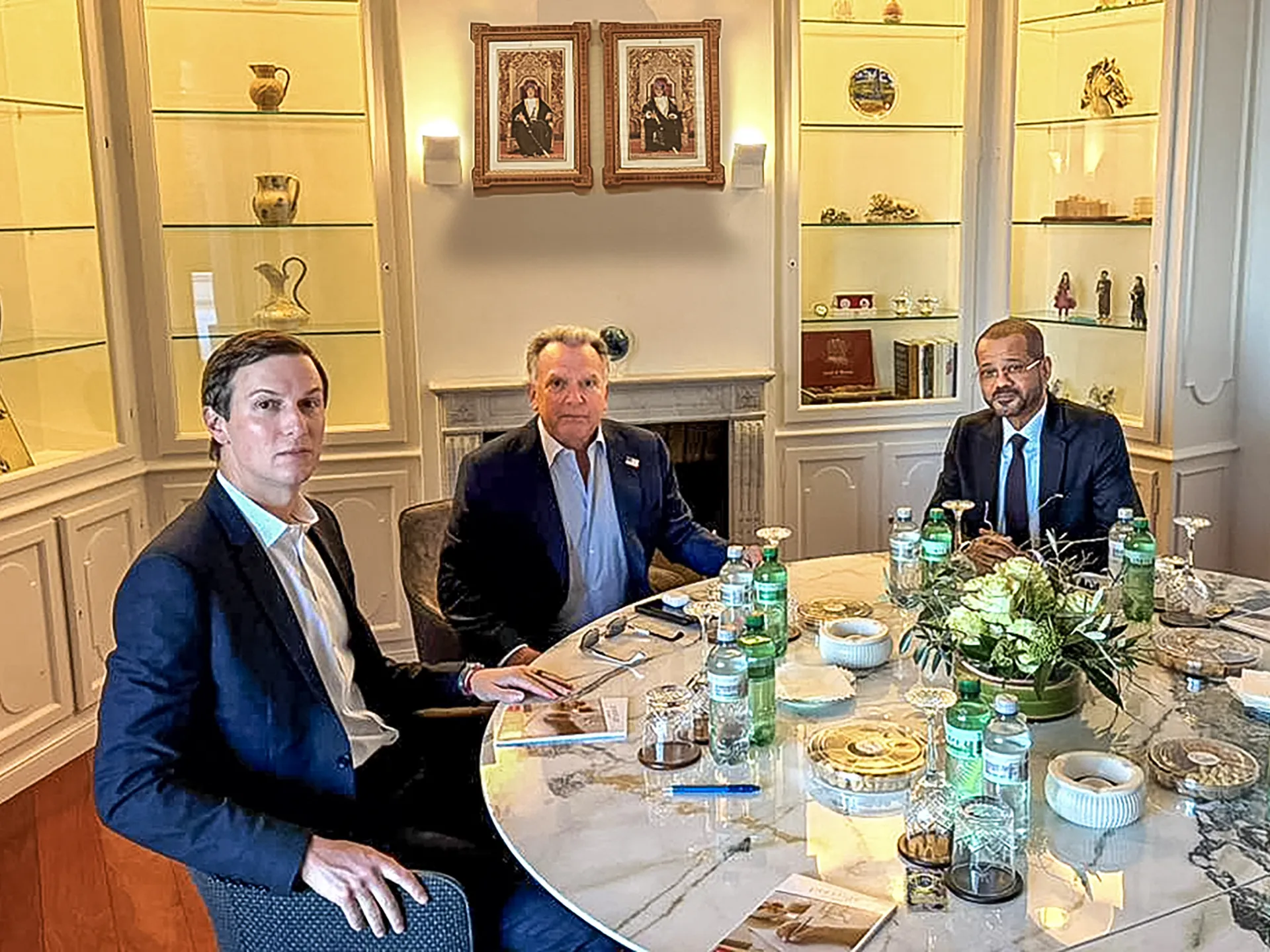
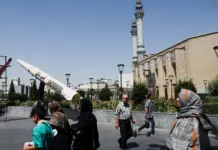
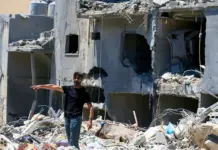
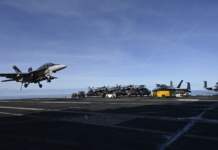
The discussions are set against a backdrop of heightened military activity, as the US undertakes a significant build-up in the Middle East, citing concerns over Iran’s ballistic missile capabilities. This military posture has prompted several countries to advise their citizens to leave Iran due to the perceived threat of potential US attacks.
Iran’s Foreign Minister has issued a stark warning that any military conflict would be devastating, with no clear victory for either side. The US ambassador to Israel has also highlighted the necessity of addressing Iran’s ballistic missile program in any comprehensive nuclear agreement.
Oman’s diplomatic efforts continue with meetings between its Foreign Minister and the IAEA chief, focusing on the Iranian nuclear dossier. While the US has not publicly commented on these consultations, the involvement of multiple international stakeholders underscores the complexity and urgency of the negotiations.
China has also weighed in, advocating for the resolution of the issues through political and diplomatic channels, reflecting a global consensus on the need for a peaceful solution.
The outcome of these talks could have far-reaching implications for regional stability and international security, as both Iran and the United States navigate a path fraught with challenges and opportunities for diplomatic engagement.