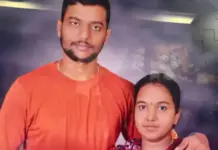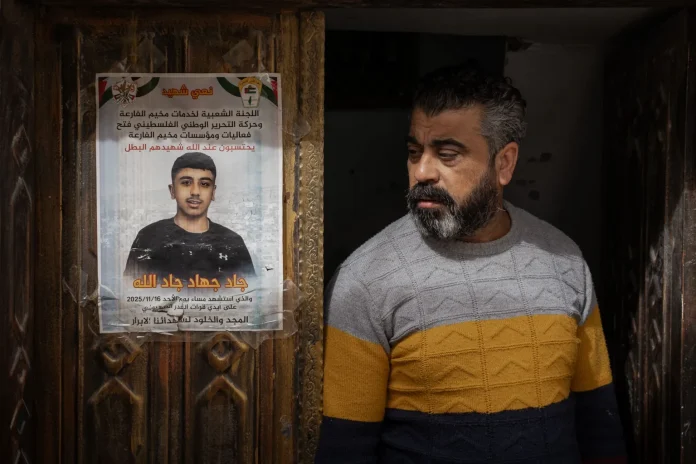
In November 2022, 14-year-old Palestinian Jad Jadallah was fatally shot by Israeli soldiers in the al-Far’a refugee camp, located in the occupied West Bank. The incident has drawn significant attention due to allegations of misconduct by the Israel Defence Forces (IDF) and the broader context of child casualties in the region.
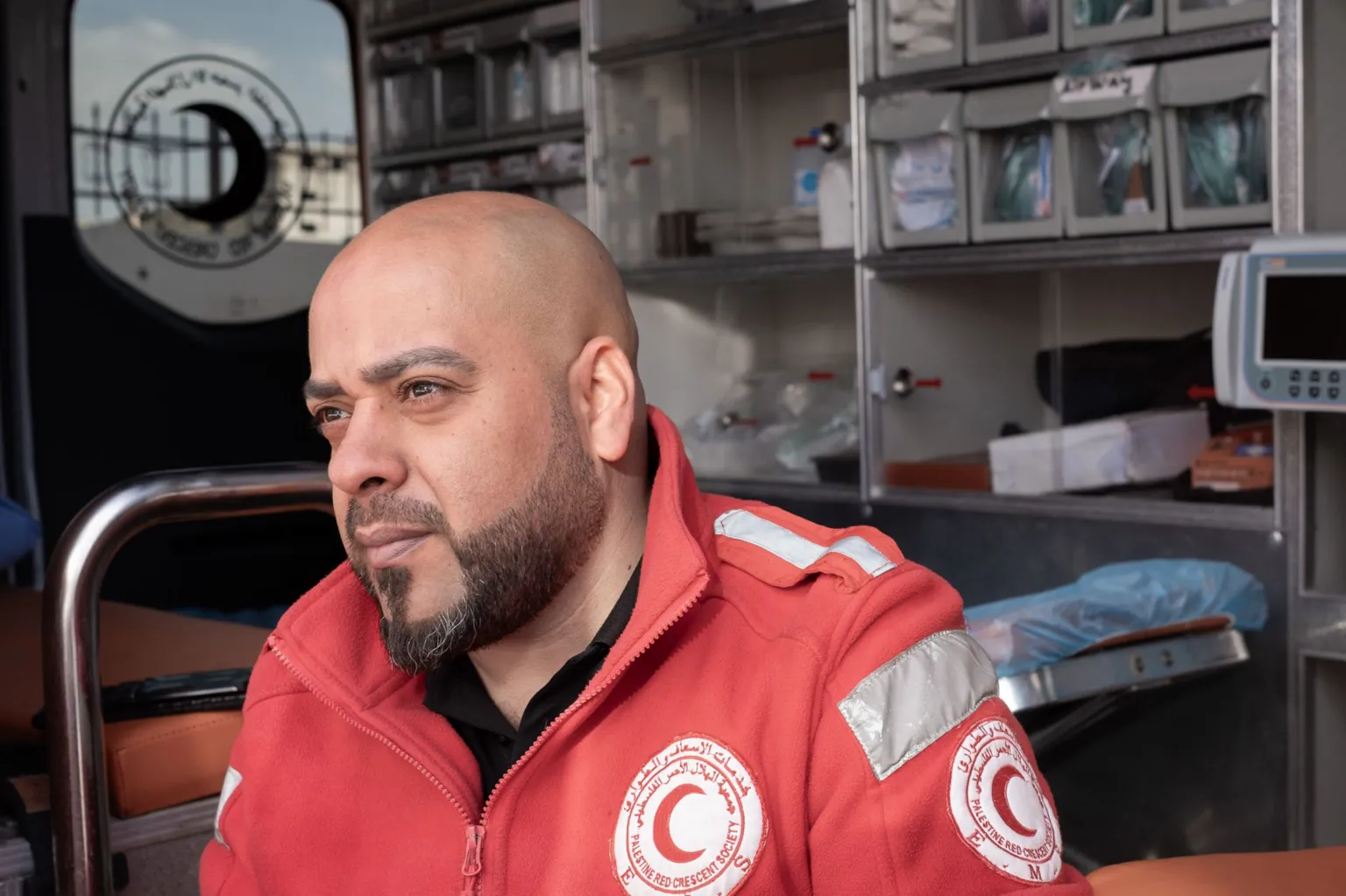
Jad was shot at close range while in an alley, surrounded by 14 Israeli soldiers who subsequently blocked two Palestinian ambulances from reaching him. Despite the IDF’s claim of providing ‘initial medical treatment’, witnesses, including paramedic Hassan Fouqha, reported that Jad bled for at least 45 minutes without receiving aid. Footage from the scene shows an IDF soldier dropping an object next to Jad, which his family and human rights groups allege was an attempt to frame him for throwing a rock, the alleged justification for the use of lethal force.
The IDF has faced criticism for its open fire policy, which permits shooting individuals who do not pose an immediate threat. Human rights organizations have condemned this policy, citing it as a factor in the high number of child fatalities in the region. According to the United Nations, 55 children were killed by Israeli forces in the West Bank in 2022. Since the Hamas attack on Israel on October 7, 2023, the number of child casualties in the West Bank has risen to 227.
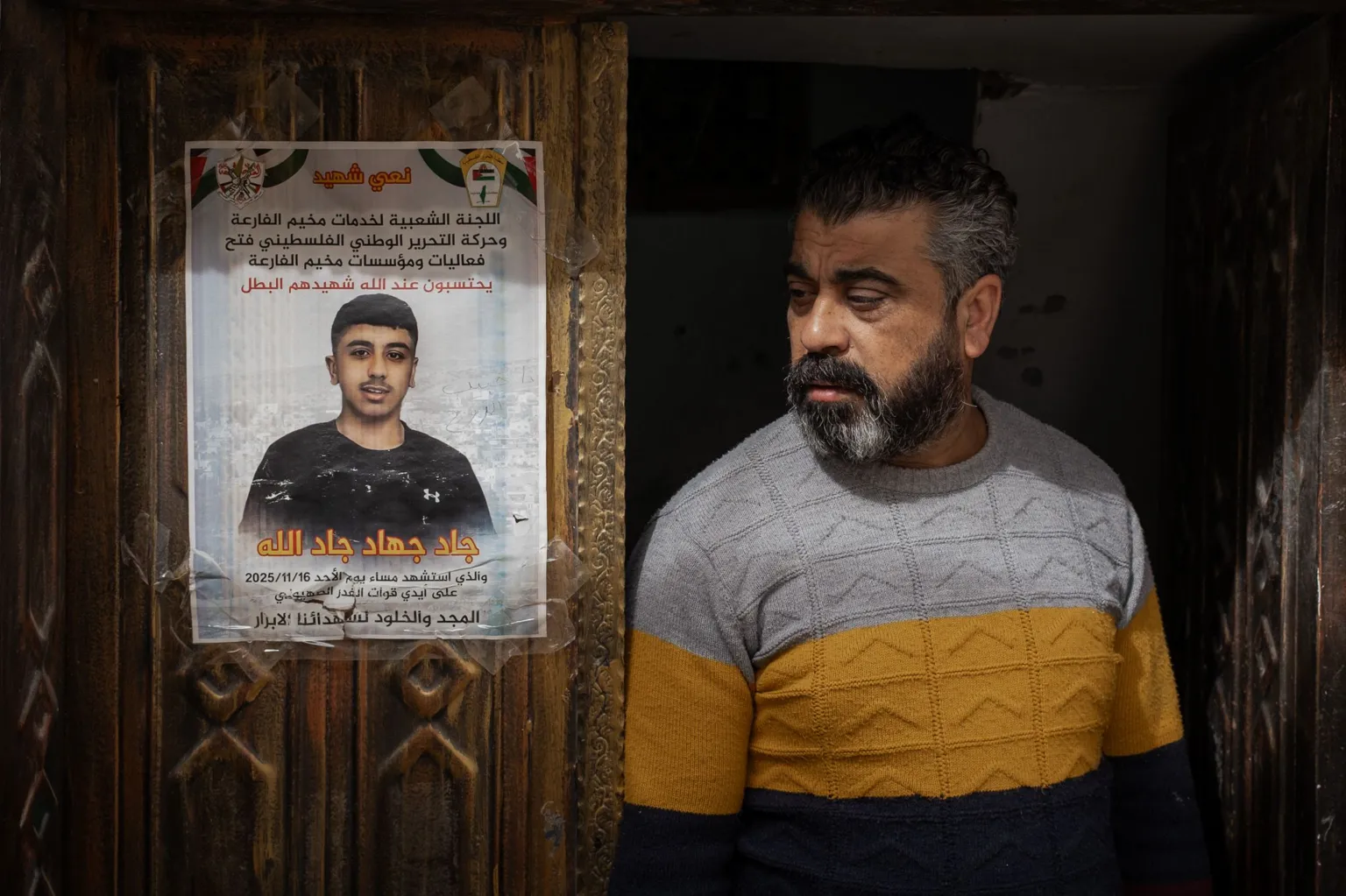
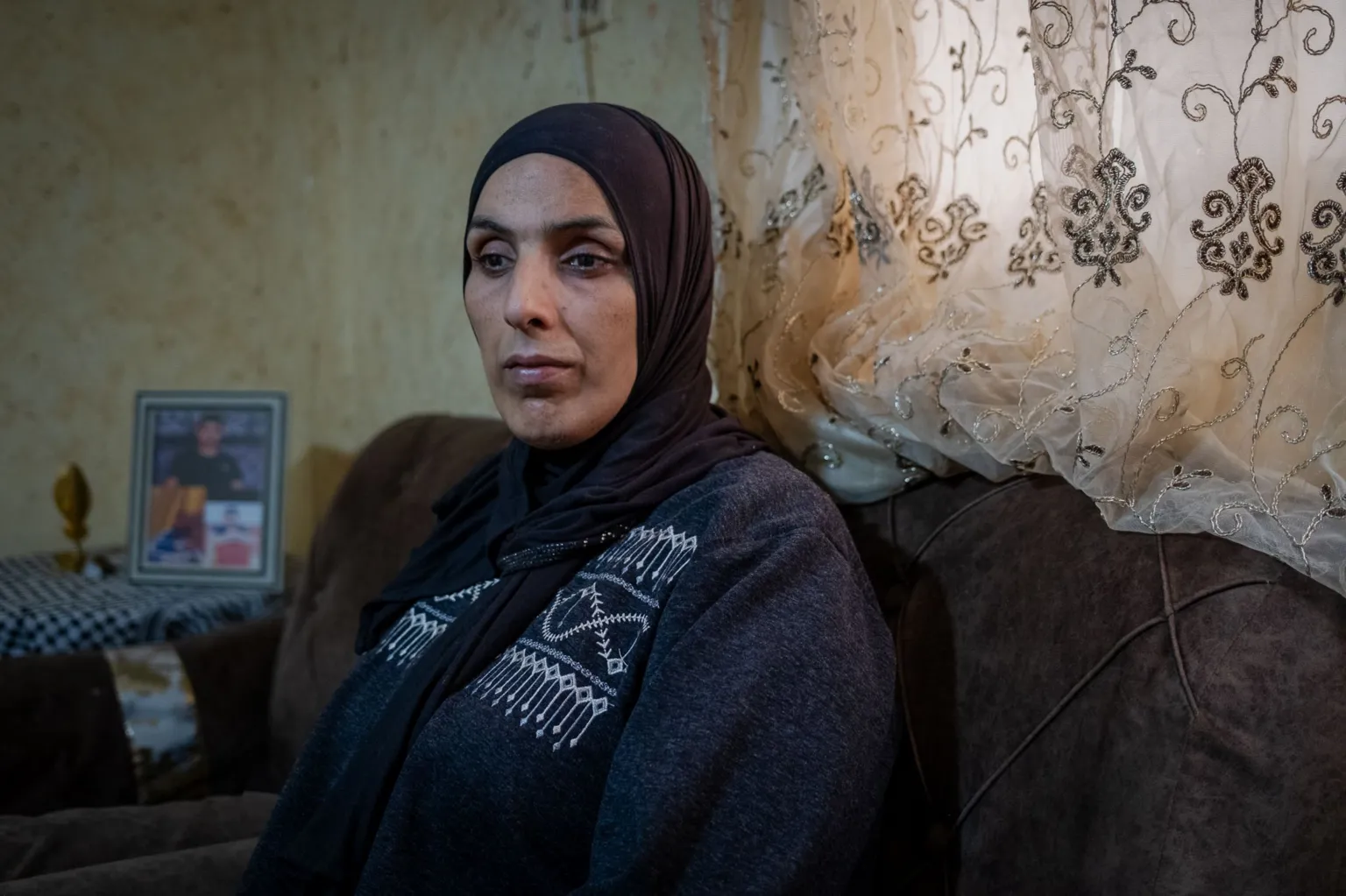
Jad’s death has been further complicated by the IDF’s refusal to return his body to his family, a practice reportedly affecting 776 Palestinians or other nationals accused of attacks. This refusal has intensified the grief and frustration of Jad’s family, who are seeking answers and accountability.
Born and raised in the al-Far’a refugee camp, home to approximately 10,000 Palestinians, Jad’s tragic death underscores the ongoing volatility and human cost of the Israeli-Palestinian conflict. The camp, like many others in the West Bank, is a flashpoint for clashes between Palestinian residents and Israeli forces.
The incident has sparked renewed calls for international scrutiny and intervention to address the use of force by the IDF and to protect civilian lives, particularly those of children, in conflict zones. As tensions persist, the need for a resolution to the longstanding conflict becomes ever more urgent.