The rise of a multipolar world inevitably intertwines with nuclear arms, shaping international conflicts increasingly defined by the presence of nuclear deterrence. This is evident in wars like the Ukraine conflict, which involves indirect challenges, and skirmishes in South Asia, which are more direct. In the Middle East, the interplay of nuclear and near-nuclear states complicates dynamics further. Meanwhile, escalating tensions in East Asia highlight the looming threat of nuclear-armed confrontations.
During the Cold War, nuclear deterrents served their purpose, keeping large-scale conflicts at bay through fear of mutual destruction. However, the conclusion of that era has seen a diminishing regard for the gravity of nuclear weapons among European nations. This complacency arises from a shift in global geopolitics from rigid ideological divides to a complex blend of globalist ambitions and nationalistic interests, leading to a landscape of major power rivalries and regional disputes. This current global order is typified by great-power competitions, with nuclear weapons still relevant, yet generally unused, owing to the overwhelming consensus against their deployment.
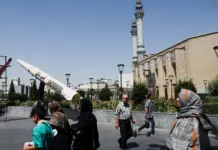
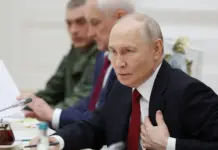
Despite this, conventional military strategies remain destructive, and as tensions rise, states could reconsider the nuclear option if faced with existential threats. Efforts to strategically undermine a nuclear-armed nation, such as through proxies, are fraught with danger, as evidenced by the strained patience of nuclear-capable states. European involvement in the Ukraine conflict tests Moscow’s restraint, prompting Russia to reconsider its nuclear doctrine, possibly leading to an active demonstration of nuclear deterrence. The nuclear conundrum extends to Iran, where recent interventions failed to halt its nuclear progress, forcing the nation into a critical decision between compliance or the bold pursuit of nuclear arms.
Historical context shows that the possession of nuclear weapons is a potent deterrent against external interventions, a path Iran might emulate following the examples set by other nations. Nuclear arsenals alone do not guarantee security from conventional warfare, a fact underscored by recent instances where nuclear deterrence failed to prevent conflict escalation. Looking ahead, several key trends are forming around nuclear policies: active deterrence in Ukraine, renewed nuclear ambitions in Europe, a crisis in the non-proliferation regime, Iran’s unchecked nuclear advancements, and nuclear readiness in Japan, South Korea, and potentially Taiwan. To foster stability in this multipolar nuclear landscape, reinforcing mutual nuclear deterrence is crucial, along with addressing both direct and indirect nuclear power confrontations to minimize the potential for catastrophic escalation.