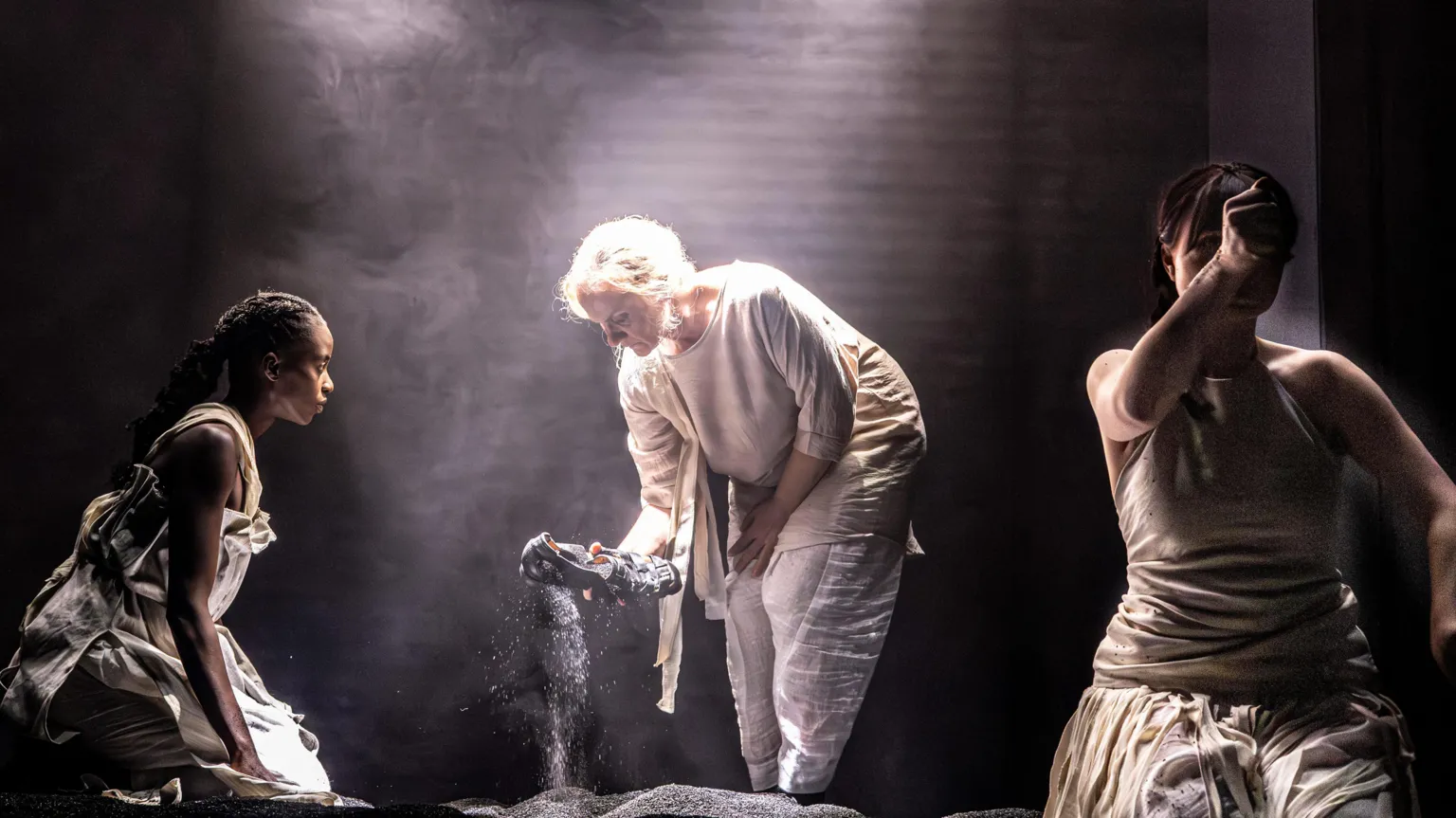
A painful silence is pierced by an anguished cry as individuals search the earth, uncovering a watch and a sandal. This poignant scene on stage at Sarajevo’s War Theatre during the debut of the Flowers of Srebrenica play deeply resonates with the audience, highlighting the haunting memory of the 1995 events and ongoing unresolved pain and rifts within Bosnia and Herzegovina. The Srebrenica massacre stands as Europe’s most horrific post-World War Two atrocity. Bosnian-Serb forces seized Srebrenica, where many Bosniaks, primarily Muslims, had sought refuge under the perceived safety of United Nations protection.
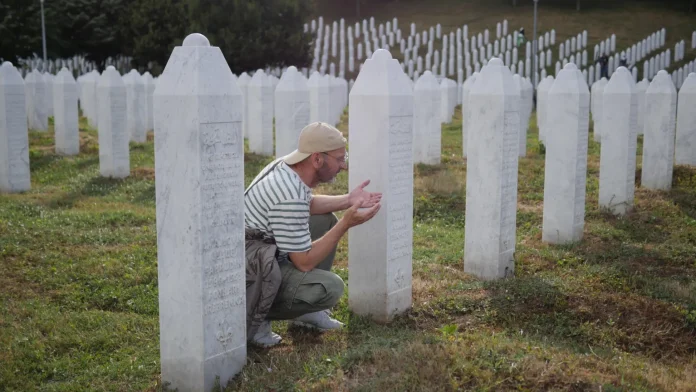
However, Dutch troops did not intervene as General Ratko Mladić ordered the separation of women and young children for transfer to predominantly Bosniak territories, subsequently orchestrating the execution of approximately 8,000 men and boys. The forces buried victims in mass graves, later relocating remains to various sites to conceal their crimes. This resulted in remains being scattered across multiple graves, causing prolonged suffering for families searching for their loved ones’ bodies. DNA testing has enabled many families to lay their relatives to rest at Potočari Cemetery, near the former UN base, while others have identified remains through personal items, as depicted in the play’s scenes.
The performance also underscores the growing rifts in Bosnia and Herzegovina. While the Sarajevo audience applauded the production, in the largely Serb Republika Srpska, some leaders continue to reject the notion of genocide at Srebrenica, despite Mladić’s conviction by an international court and a prior conviction of Bosnian-Serb leader Radovan Karadžić. “I had hoped that after three decades, clarity would prevail,” reflects Selma Alispahić, the leading actress of the Sarajevo Theatre and a former refugee from the Bosnian conflict. “People tire of defending an established truth, even in international courts. The ongoing misinformation only benefits those profiting from the conflict.”
Denial of the genocide embodies only part of the country’s divides. The Dayton Peace Agreement halted the war months after the massacre, splitting Bosnia and Herzegovina into two ethnic-based entities.
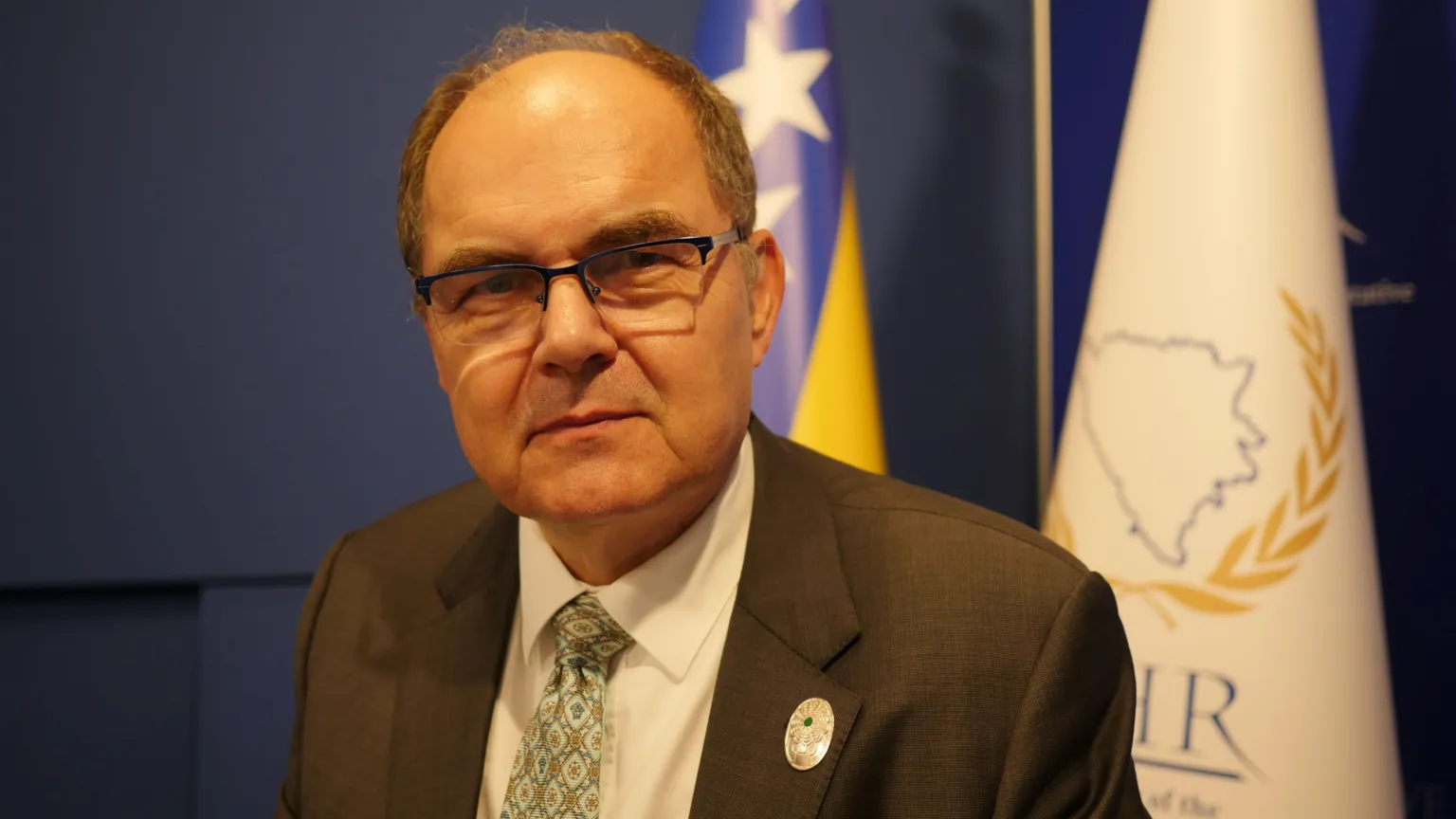
Bosniaks and Croats mainly reside in the Federation, while most Serbs inhabit Republika Srpska. Although the country has a tripartite state government with equal ethnic representation, substantial authority remains at the entity level. Recently, Republika Srpska’s president, Milorad Dodik, has stirred tensions by advancing legislation aimed at withdrawing from national institutions, sparking conflict with the international High Representative, Christian Schmidt. Schmidt repealed these laws, yet Dodik dismissed the rulings.
Earlier in the year, Dodik faced a court sentence encompassing a year-long prison term and a six-year ban on public office roles for defying the High Representative’s authority, a verdict currently under appeal. Further controversies followed, including propositions to form a “reserve police force”—an ominous nod to militia language from the 1990s Bosnian conflict.
“This inflammatory rhetoric disrespects those traumatized in the 1990s,” remarks Schmidt. “I perceive a reckless faction of politicians engaging in dangerous games. There must be an assertive international military presence, with enhanced Eufor responsibilities, to assure people of peaceful support.”
In central Sarajevo, reminders of the Srebrenica massacre anniversary are unavoidable. Despite the rain, numerous people gathered to honor the convoy transporting the remains of seven recently-identified victims slated for burial at Potočari Cemetery.
Public video displays urge passersby to “Remember Srebrenica.” Yet, just a short drive away, in East Sarajevo, marked by Cyrillic signs and Jelen Beer umbrellas indicating a presence in Republika Srpska, there is little acknowledgment of the massacre. Indeed, state-level foreign trade minister Staša Košarac, a prominent SNSD party member, asserts that Srebrenica is being exploited to intensify divisions and hinder reconciliation. “Victims were present among Bosniaks, Croats, and Serbs alike during the conflict, with crimes committed by all sides. Moving forward requires holding all perpetrators accountable,” he claims. “Bosniaks focus exclusively on their own losses. While no Serb denies the tragedy in Srebrenica, we must also recognize the offenses against Serbs in the region.”
However, numerous others are demonstrating solidarity with Srebrenica.
On the eve of the ceremony, people flock to the Memorial Centre and Potočari Cemetery to pay respects and celebrate the arrival of cyclists, runners, and motorcyclists from across the nation. Mirela Osmanović, working at the Memorial Centre and born after her brothers’ deaths at Srebrenica, stresses the significance of support for Bosniaks resettling there. Nevertheless, recent political tension has left her uneasy. “The tense environment created by Republika Srpska’s authorities frightens us, making us fear for our security and future,” she admits. “My parents say it resembles the situation in 1992.” For Dodik, perpetuating strife is a tactic for political survival, yet for Srebrenica’s residents, this ongoing ethno-political rivalry obstructs healing. Elsewhere, events in Bradford aim to honor victims of the Bosnian war genocide, offering hope to families seeking the return of their missing relatives.
The ceremony will remember the thousands of Bosniak Muslims who perished in the 1990s, with Bradford’s City Park hoisting the Remembering Srebrenica flag before a service at City Hall. Relatives lament that “lies” continue to linger nearly three decades after the massacre of about 8,000 Bosniak men and boys.