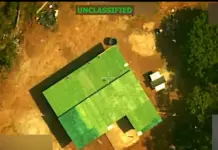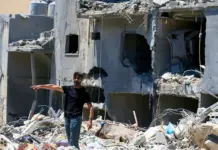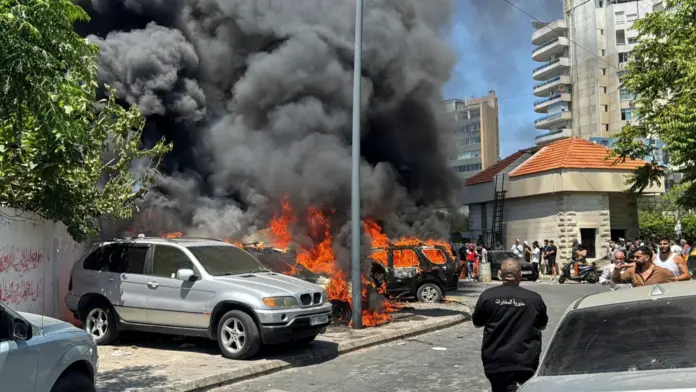
Israeli Strikes Lebanon — Israeli air and artillery strikes intensified across southern Lebanon on Wednesday, killing at least 17 people in a series of attacks that struck multiple towns and villages, deepening a conflict that has already claimed nearly 3,700 Lebanese lives since fighting began in March.
The deadliest single location was Tayr Debba, where at least four Israeli strikes killed nine people, according to Lebanon’s National News Agency. In the village of Deir Qanoun el-Nahr, two separate strikes claimed three more lives. Two people were killed in Seddiqin, south-east of Tyre, and one person died in the Massaken al-Shaabiya district of Tyre. An Israeli drone strike on a vehicle in the centre of Sidon killed two additional people.
Wednesday’s toll follows an equally bloody Tuesday, when 15 people were killed across Lebanon. Eleven of those deaths occurred in Massaken al-Shaabiya and other parts of Tyre, according to Lebanon’s health ministry. The Israeli military struck six Hezbollah infrastructure sites in Tyre on Tuesday and issued a new evacuation order for the city — one that, for the first time, encompassed its historic Christian quarter.
Recommended Reading
Hezbollah has continued to mount resistance operations, targeting Israeli troops and military vehicles in the southern Bayada and Yohmor areas with rocket barrages and shellfire.
The escalation prompted UN human rights chief Volker Türk to announce on Wednesday the deployment of a team of investigators to Lebanon. The team will examine potential violations committed by all parties to the conflict since the start of March, with findings expected to be presented at the end of July.
The current conflict erupted on 2 March, when Hezbollah launched rockets into Israel in retaliation for an Israeli strike that killed Iran’s supreme leader. Israel responded with a sweeping bombing campaign across Lebanon and a ground invasion of the south. Lebanon’s health ministry puts the total death toll at 3,696, while Israeli authorities report 30 soldiers and four civilians killed on both sides of the border.
The human cost extends far beyond battlefield casualties. Almost one million people — roughly one-fifth of Lebanon’s entire population — remain displaced from their homes. The United Nations estimates that 1.4 million people in Lebanon currently require humanitarian assistance.
Israeli Strikes Lebanon: Regional Implications
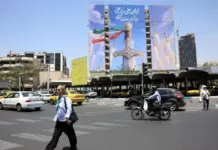
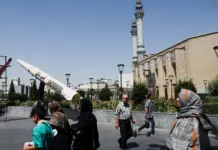
A ceasefire deal brokered by the United States between the Israeli and Lebanese governments on 16 April has failed to hold. Fighting has continued unabated since the agreement was reached. On Sunday, Israel struck Beirut’s southern suburbs, known as Dahieh, after Hezbollah fired two rockets across the border. Iran responded by launching approximately 30 ballistic missiles at Israel, prompting two waves of Israeli air strikes on Iranian territory in return.
The exchange sharpened an already volatile regional dynamic. Iran warned on Monday it would resume full hostilities if Israel continued its operations in Lebanon. Israel, in turn, declared it would not accept what it described as a ‘new equation’ and stated its intention to continue operating against Hezbollah.
The widening conflict has drawn in multiple regional actors and raised fears of a broader conflagration. With a UN investigative team now on the ground and diplomatic pressure mounting, the coming weeks will test whether any mechanism exists to halt a war that has already reshaped Lebanon’s demographic and humanitarian landscape.