Israel Beirut Strikes — A ceasefire that took effect on April 8 between the United States, Israel, and Iran is showing dangerous signs of collapse, as Israeli strikes on southern Lebanon and a direct attack on the Lebanese capital Beirut have inflamed tensions and threatened to drag the region back into full-scale war.
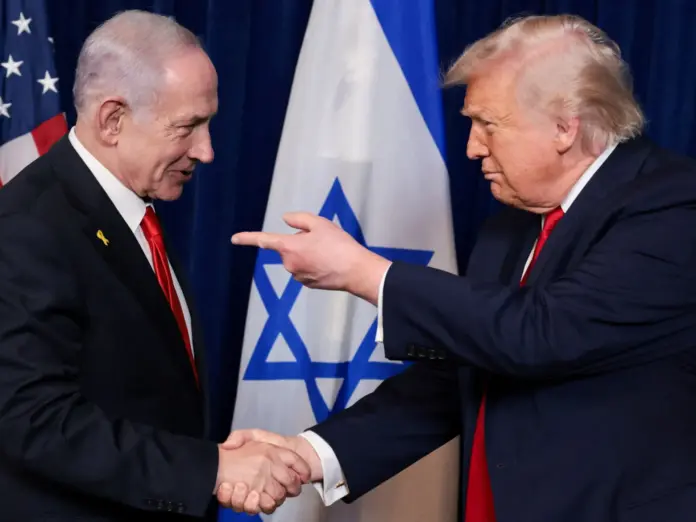
The fragility of the arrangement was exposed over the weekend when Israel and Iran exchanged fire, prompting US President Donald Trump to intervene on Monday, calling on both sides to stop shooting. Trump also threatened to restart full-scale conflict if the violence continued — a stark warning that underscored how precarious the truce remains. Despite the ceasefire framework, Iran and the US have themselves exchanged attacks during the period, deepening the crisis.
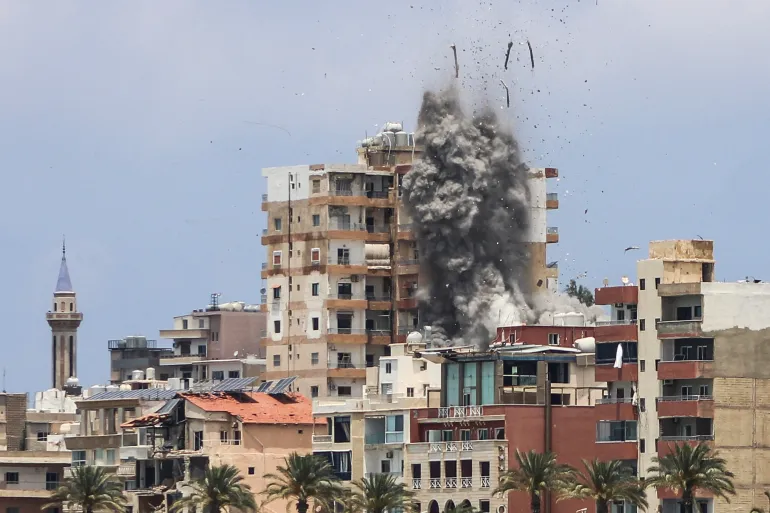
At the heart of the impasse is Lebanon. Iran has made clear that any lasting agreement with Washington must include a ceasefire between Israel and Hezbollah, and a withdrawal of Israeli forces from southern Lebanon. Iranian Foreign Minister Abbas Araghchi put the position bluntly: "This war will end only when it ends in Lebanon, as well." Israel, however, has shown no sign of halting its campaign. A strike on Beirut on Sunday night marked one of the most provocative escalations since the ceasefire began, targeting the Lebanese capital directly.
Recommended Reading
The continuation of Israeli military operations in Lebanon reflects a complex domestic political environment in Jerusalem. A poll conducted by the Israeli Democracy Institute in April found an overwhelming majority of Israelis supporting the continuation of the war in Lebanon — a sentiment that carries significant weight as the country approaches elections scheduled before the end of October. Prime Minister Benjamin Netanyahu, already embroiled in a corruption trial and facing plunging approval ratings in surveys from northern Israel, has strong political incentives to maintain an aggressive military posture.
Opposition figures are circling. Former Prime Minister Naftali Bennett launched pointed criticism of Netanyahu at the end of May while positioning himself for a return to power. Yair Lapid, another opposition leader, pushed back against the perception of US dominance over Israeli decision-making, declaring: "Israel is not a protectorate." Some polls now show the anti-Netanyahu political bloc taking a lead ahead of the vote, adding urgency to the prime minister's calculations.
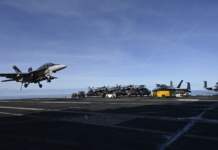
The broader strategic picture is deeply troubling. Israel has been fighting on multiple fronts for more than two and a half years, a sustained campaign that began in earnest following the Hamas-led attack on October 7, 2023. Netanyahu had succeeded in drawing the United States into direct military action against Iran — a significant diplomatic and military achievement for his government — but the durability of that partnership is now being tested by Israel's refusal to halt operations in Lebanon.
History offers a sobering backdrop. Israel's previous military incursions into Lebanon have each ended in withdrawal and, by most assessments, strategic defeat. The current campaign risks repeating that pattern, particularly if it continues to alienate potential diplomatic partners and sustain casualties without a clear endgame.
Israel Beirut Strikes: Regional Implications
Iran's insistence on linking any US-Iran framework to the Lebanon conflict effectively gives Hezbollah a veto over regional de-escalation — a dynamic that complicates Washington's ability to broker a broader settlement. Trump's dual role as both mediator and military partner to Israel places the administration in a structurally contradictory position, pressing for a ceasefire while remaining aligned with the party most actively violating its terms.
With Israeli elections looming, a corruption trial shadowing the prime minister, and Iranian preconditions unmet, the ceasefire that began on April 8 faces an uncertain future. The Sunday strike on Beirut may prove to be either a final act of escalation before negotiations resume — or the opening move in a renewed and wider conflict.