Irgc Strikes Us Bases — Iran’s Islamic Revolutionary Guard Corps claimed responsibility Wednesday for drone and missile strikes targeting US military facilities in Bahrain and Jordan, dramatically widening a confrontation that has transformed the Strait of Hormuz into the world’s most volatile flashpoint.
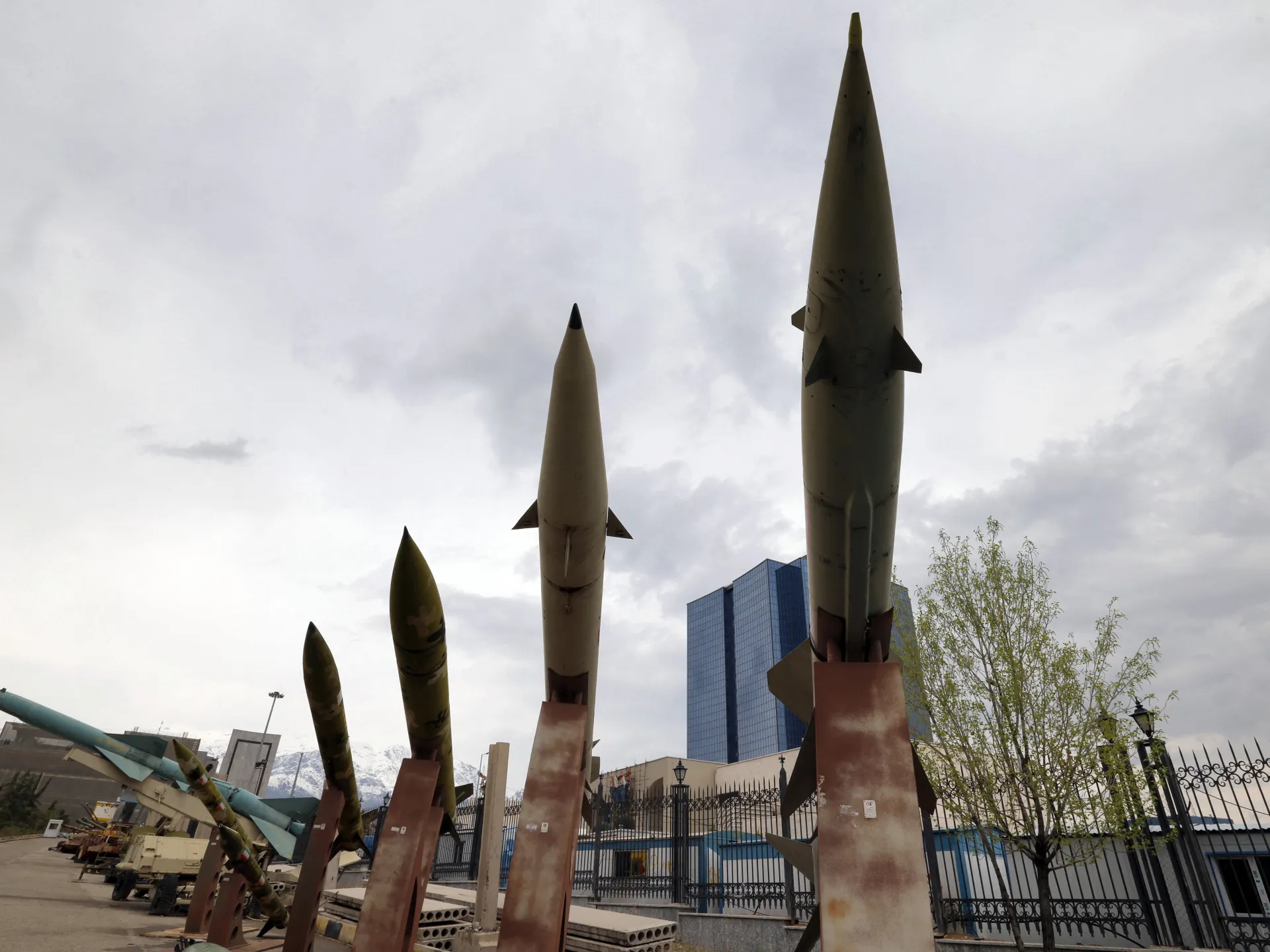
The IRGC stated it launched a drone assault against the US Fifth Fleet headquarters in Bahrain and fired long-range missiles at a military base in Azraq, Jordan. Iranian state media carried the announcement, framing both strikes as direct retaliation for US military action against Iranian ports and islands in the Strait of Hormuz.
The crisis ignited after Iranian forces downed a US Army Apache attack helicopter over the Strait of Hormuz on Monday. US Central Command (CENTCOM) subsequently launched what it described as self-defence strikes against Iran, targeting Iranian positions along the strategically vital waterway. The cycle of retaliation has since accelerated with alarming speed.
Recommended Reading
Kuwait, which hosts a significant US military presence, reported coming under attack on Tuesday, with its air defence systems intercepting multiple hostile aerial targets. The Gulf state’s involvement signals that the conflict is no longer contained to the immediate Iran-US bilateral dimension but is drawing neighbouring nations into an increasingly dangerous regional confrontation.
Iran’s Foreign Minister Abbas Araghchi issued a stark warning, declaring that Iranian armed forces would leave no attack or threat unanswered. In a notable diplomatic nuance, Iran’s deputy foreign minister told a broadcaster that the downing of the Apache helicopter was not a deliberate act of targeting — a claim that has done little to slow the military escalation on either side.
The economic consequences of the crisis are already severe. The US Energy Information Administration reported that Middle East oil suppliers have slashed production by more than 11 million barrels per day following the effective closure of the Strait of Hormuz — a chokepoint through which a significant portion of the world’s seaborne oil supply normally passes. Energy markets face prolonged disruption if the standoff continues.
UN Secretary-General Antonio Guterres issued an urgent appeal for an immediate halt to regional hostilities, calling on all parties to preserve existing ceasefires in Lebanon, Iran, and Gaza. His intervention underscored the degree to which the Gulf crisis is intersecting with other active conflict zones across the broader Middle East.
In Lebanon, the situation continued to deteriorate independently. The country’s Health Ministry reported 3,666 deaths and 11,321 injuries from Israeli strikes since March 2. Israeli forces killed at least nine people in Tyre on Tuesday following the issuance of forced displacement orders, with residents describing entire neighbourhoods emptying as families fled the bombardment. Nearly 20 people were killed across southern Lebanon that same day as Israeli strikes continued.
Irgc Strikes Us Bases: Regional Implications
In Gaza, the Health Ministry accused Israel of effectively killing patients by preventing more than 16,500 Palestinians from leaving the territory to receive medical treatment abroad, characterising the policy as a form of deliberate harm through denial of care.
The convergence of the Gulf crisis with ongoing conflicts in Lebanon and Gaza has created a regional emergency of extraordinary complexity. Diplomatic channels remain open — Iran’s national football team is still scheduled to travel to the United States 24 hours before its FIFA World Cup opening match against New Zealand on June 16, a logistical reality that reflects the strange coexistence of diplomatic contact and military confrontation.
The Strait of Hormuz, through which roughly one-fifth of global oil trade passes, has historically been treated as a red line by all parties. Its current status as an active combat zone represents a threshold that analysts have long warned could trigger cascading consequences for global energy security, regional stability, and the broader international order. With CENTCOM strikes, IRGC retaliatory salvos, and Gulf states now reporting incoming fire, the window for de-escalation is narrowing rapidly.