Powerful explosions rocked Tehran and several Iranian cities on Monday as US-Israeli forces pressed ahead with a campaign of strikes now in its 31st day, targeting government infrastructure across the Iranian capital and causing a blackout that Iranian authorities said had since been restored. The Israeli military confirmed it was "currently attacking the infrastructure" of the Iranian government throughout Tehran, while the Fars news agency reported a separate explosion in Ray, part of Greater Tehran.
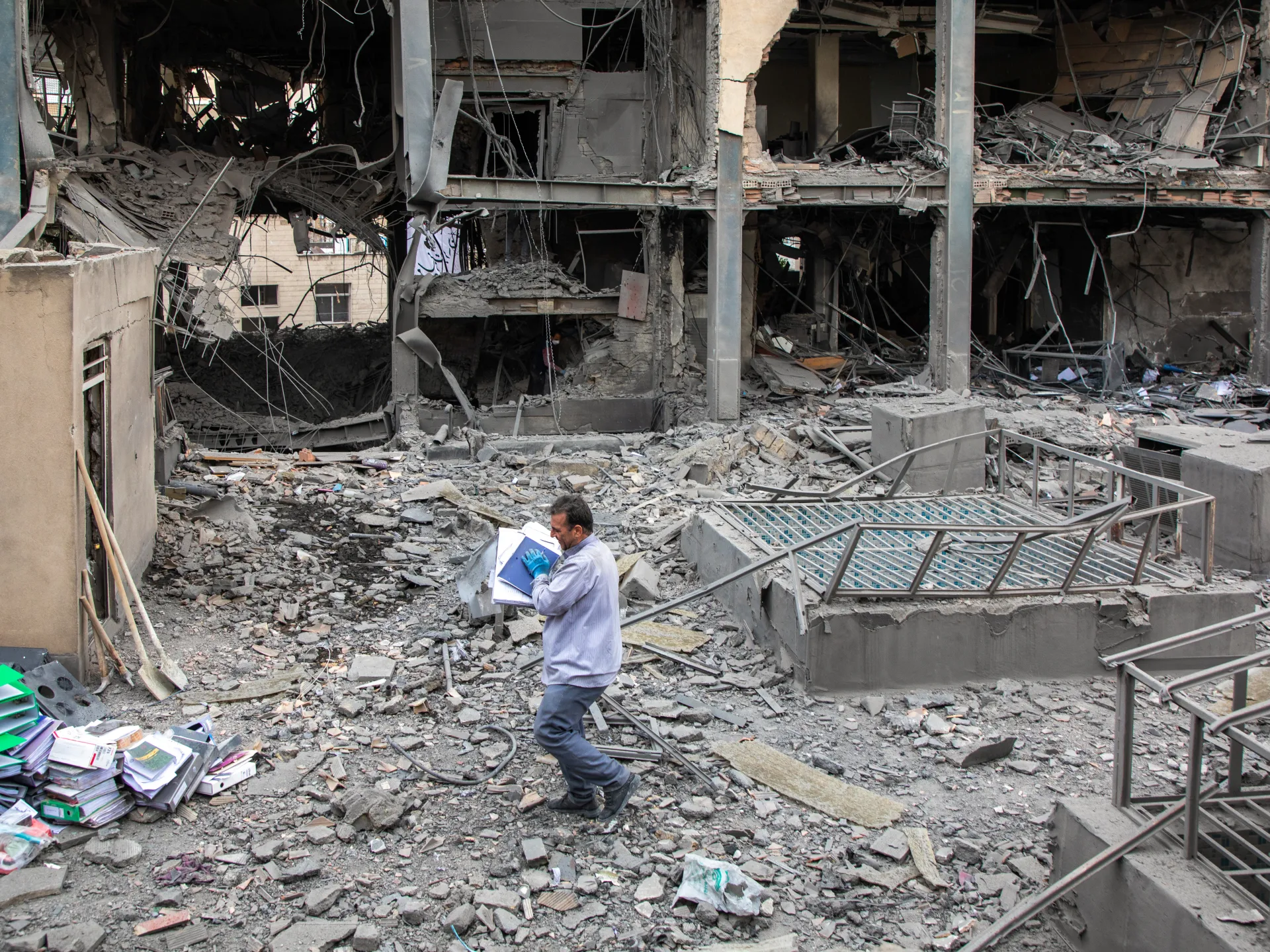
Strikes over the past 24 hours also hit Karaj, Shiraz, Qom, Abadan and Tabriz, where a petrochemical unit was reportedly struck. A fire at the Tabriz petrochemical plant was subsequently contained. Since the campaign began on February 28, more than 2,000 people have been killed in Iran, with thousands of civilian sites — including schools and hospitals — struck alongside military and industrial infrastructure.
The scale of destruction has been sweeping. Oil depots, gasfields, missile launchers, military industrial sites, security infrastructure and governance buildings have all been damaged or destroyed. Strategic Israeli sites have not been spared in return: Iran has conducted daily retaliatory strikes hitting areas near the Dimona nuclear reactor, the Haifa oil refinery and Ben Gurion airport. Israeli schools and most businesses remain closed.
Iran’s capacity to sustain its counter-offensive has significantly exceeded Israeli and American expectations, raising alarm over the depletion of missile interceptor stocks on both sides. Iranian parliament speaker Mohammad Bagher Ghalibaf accused Washington of sending negotiation signals while simultaneously planning a ground invasion — a charge that underscored the deep mistrust surrounding diplomatic overtures.
Those overtures are nonetheless advancing. Pakistan hosted talks on Sunday aimed at de-escalating the conflict, with Foreign Minister Ishaq Dar confirming discussions focused on bringing the war to an early end. Islamabad said it was preparing to host "meaningful talks" in the coming days. US President Donald Trump struck a cautiously optimistic tone, saying on Sunday, "We’ll make a deal with them, I’m pretty sure." In a separate interview, Trump said he wanted to "take the oil in Iran," a remark that drew attention to Washington’s broader strategic interests in the conflict.
Despite the diplomatic activity, an unnamed Israeli official made clear there was no intention to scale back strikes before any potential US-Iran negotiations, with Israel stating it would continue targeting what it described as military objectives.
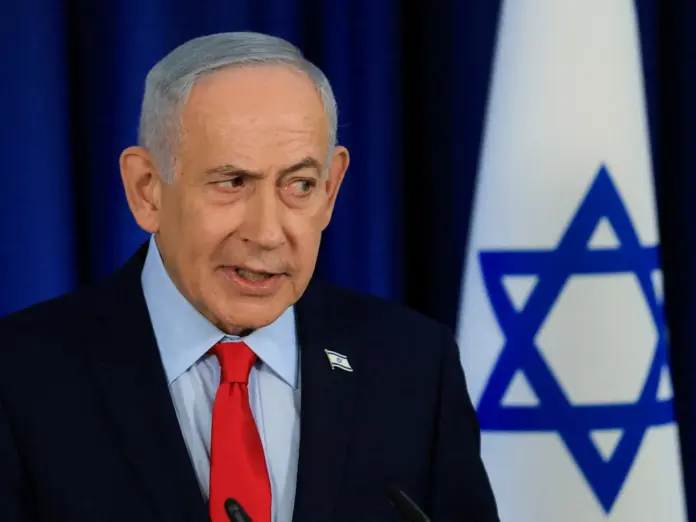
The conflict’s origins lie partly in internal Israeli strategic miscalculations. In January, Mossad chief David Barnea presented US officials with a plan to trigger a successful insurrection following the decapitation of the Iranian regime. Tensions between Barnea and Prime Minister Benjamin Netanyahu over the failure of those plans were reported in the Israeli press in late March. Separately, Israeli army chief Eyal Zamir warned the security cabinet that the military risked collapsing "in on itself" due to mounting manpower shortages — a stark admission after months of multi-front warfare.
The path to the current conflict involved intensive US-Israeli coordination. Netanyahu and Trump held two in-person meetings and 15 phone calls in the two months before the joint assault on Iran was launched. The campaign has since reshaped the region’s security landscape in ways that extend well beyond the two primary belligerents.
Lebanon has borne enormous collateral costs. One million Lebanese have been displaced by Israeli operations, and bridges linking southern Lebanon to the rest of the country have been destroyed. Despite Israel’s assumption heading into 2024 that Hezbollah had been dealt a devastating blow and posed only a residual threat, the group has continued to counter Israeli operations with missile salvoes and resistance to ground incursions. Hamas, similarly, remains a functioning force despite the prolonged Israeli campaign in Gaza.
The conflict has now spilled into Gulf waters. Saudi Arabia’s Ministry of Defence intercepted five ballistic missiles heading toward its Eastern province, while Kuwait reported that a service building and an electric power and water desalination plant were struck. Kuwait’s National Guard downed five drones, and an Indian worker was killed in the attack on Kuwaiti territory — a sign of the conflict’s widening human toll.
Netanyahu continues to prosecute the war under the shadow of international legal proceedings. The International Criminal Court has issued a war crimes arrest warrant against him, and Israel faces a separate case at the International Court of Justice for alleged violations of the Genocide Convention. Critics have drawn comparisons to the 1956 Suez Crisis, when a joint British, French and Israeli military operation in the Middle East ultimately accelerated the decline of European imperial power — a parallel some analysts now apply to the United States as its deep involvement in the conflict strains its global standing.
With Pakistan’s mediation effort the most concrete diplomatic initiative on the table, and both sides showing no sign of unilateral restraint, the coming days will test whether back-channel pressure can translate into any pause in a war that has already reshaped the Middle East.