Washington / Tehran — The United States and Iran have agreed to an immediate and permanent halt to military operations, a sweeping diplomatic breakthrough that will reopen the Strait of Hormuz to toll-free international shipping and end hostilities across multiple fronts, including in Lebanon.
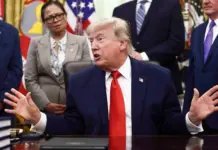
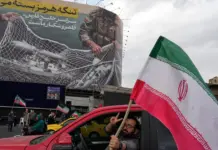
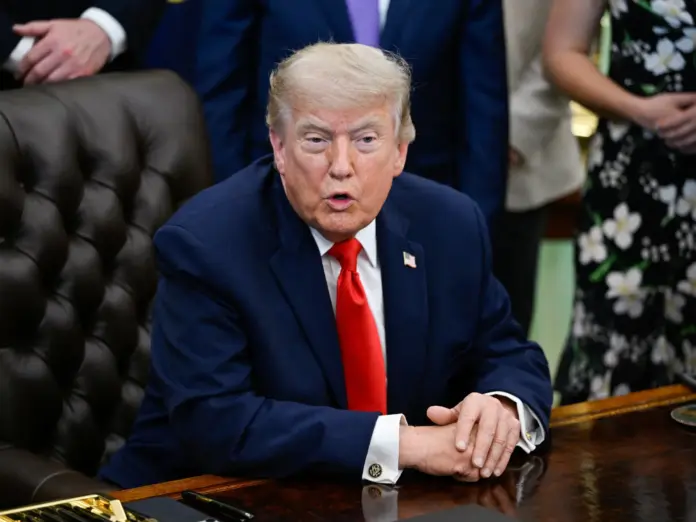
President Donald Trump announced the agreement on Sunday — his 80th birthday — confirming he had authorised the removal of the US naval blockade that had choked one of the world’s most critical maritime chokepoints since late December. Iran’s deputy Foreign Minister, Kazem Gharibabadi, confirmed the deal the same day, lending official weight to what diplomats are calling a historic turning point.
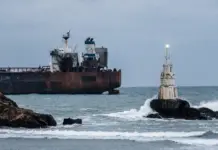
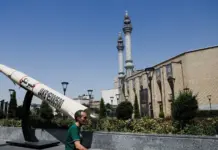
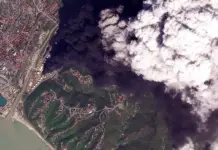
Us-Iran Ceasefire — The Strait of Hormuz has been largely closed since the United States and Israel launched a military assault on Iran on December 28, severely disrupting global energy flows and triggering an extended regional crisis. The naval blockade imposed in the aftermath compounded the economic damage, leaving tankers and cargo vessels unable to transit freely through waters that carry roughly a fifth of the world’s oil supply.
Recommended Reading
The agreement, formally structured as a Memorandum of Understanding between Washington and Tehran, addresses freedom of navigation in the strait alongside a broader cessation of hostilities. Qatar’s Ministry of Foreign Affairs confirmed the accord covers all outstanding issues between the two governments. An official signing ceremony is scheduled for Friday, June 19, in Switzerland, with US Vice President JD Vance expected to attend. In the days preceding the ceremony, mediators will facilitate a series of pre-implementation discussions to lay the technical groundwork.
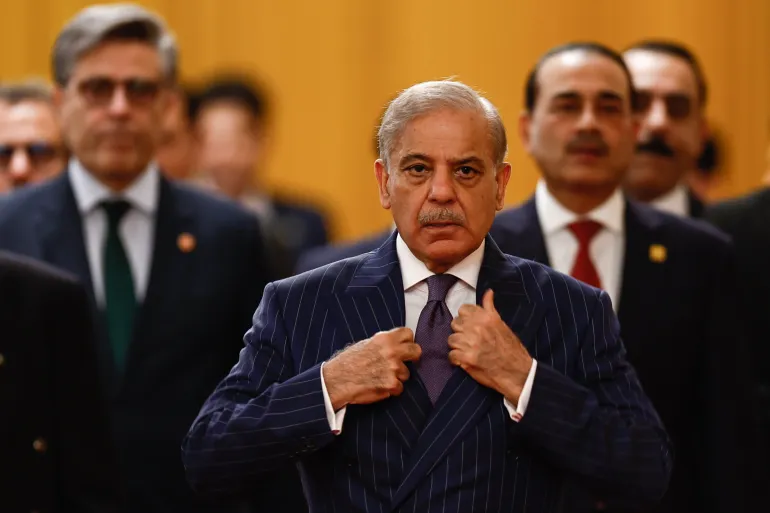
Qatar and Pakistan served as the primary mediators, with Saudi Arabia and Turkey also contributing to the diplomatic effort. Pakistani Prime Minister Shehbaz Sharif announced the deal publicly on X, underscoring Islamabad’s central role in brokering the accord. The breadth of the mediating coalition reflects the degree to which regional powers had mobilised to contain a conflict that threatened to engulf the broader Middle East.
Vance described the ceasefire as potentially marking a ‘new era’ in the Middle East. European leaders moved quickly to welcome the announcement. French President Emmanuel Macron praised the deal and pledged that Paris would support the Lebanese government as it navigates the post-conflict transition. UK Prime Minister Keir Starmer said London stood ready to assist with further technical discussions between Washington and Tehran.
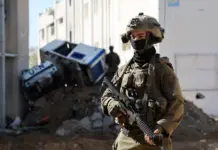
The agreement’s durability faced an immediate test, however. Shortly after the announcement, Israel launched an air raid on Beirut’s southern suburbs, prompting alarm among diplomats and raising fears that the accord could be undermined before it takes effect. Iranian leaders responded sharply, warning that Tehran was prepared to strike Israel in retaliation for the Beirut bombing. The exchange injected acute uncertainty into what had been a carefully choreographed diplomatic moment, and mediators were understood to be working urgently to prevent an escalation that could unravel the deal.
Trump, speaking in an interview before the announcement, had issued a pointed warning to Iranian leadership: the United States could resume military operations, or alternatively assume the role of what he described as ‘guardian of the Middle East’ in exchange for 20 percent of the region’s revenues. The remarks underscored the transactional framing the administration has applied to its regional engagement, even as diplomats worked to finalise the ceasefire’s terms.
Us-Iran Ceasefire: Regional Implications
The cessation of hostilities covers all fronts, explicitly including Lebanon, where proxy conflict had intensified in the months following the December assault. The inclusion of Lebanon in the agreement’s scope signals an attempt to address the full geographic sprawl of a conflict that drew in multiple state and non-state actors across the region.
Markets and shipping industry observers reacted cautiously to the news, awaiting confirmation that the naval blockade had been physically lifted before adjusting risk assessments for Hormuz transit routes. The strait’s reopening, if sustained, would represent a significant easing of pressure on global energy markets that have been strained since the conflict began.
The formal signing in Geneva next Friday will mark the culmination of weeks of back-channel negotiations. Whether the agreement holds in the face of Israeli military action and the volatile dynamics of a region still absorbing the shocks of six months of open conflict remains the defining question as diplomats prepare to gather in Switzerland.