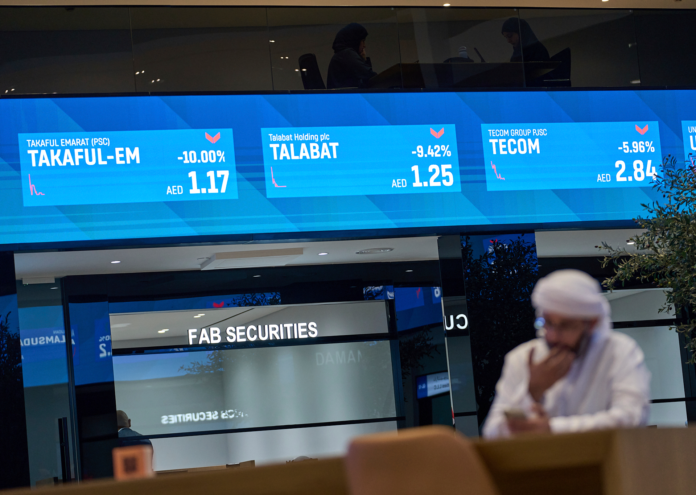
The United Arab Emirates is reeling from the most severe economic shock in its modern history, with more than $120 billion erased from the combined market capitalisation of Dubai and Abu Dhabi stock exchanges in the month since the United States and Israel launched their war on Iran on February 28.
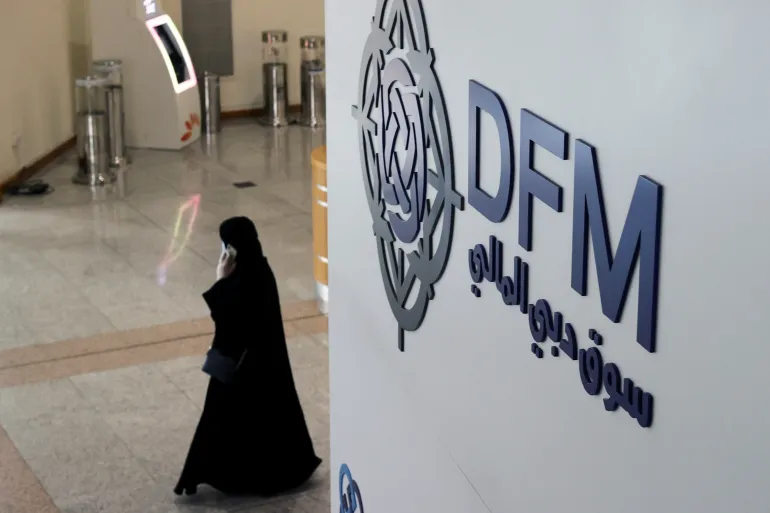
The Dubai Financial Market General Index has plunged approximately 16 percent since hostilities began, shedding around $45 billion in market value. The ADX General Index in Abu Dhabi has fared somewhat better but still lost roughly $75 billion — a decline of about 9 percent. The Dubai index’s fall is more than double that of its Abu Dhabi counterpart, reflecting the emirate’s acute exposure to international tourism and aviation. Neighbouring Gulf states have also suffered: Qatar’s financial markets are down approximately 4 percent, and Bahrain’s have dropped around 7 percent. By contrast, exchanges in Saudi Arabia and Oman have recorded gains since the conflict began.
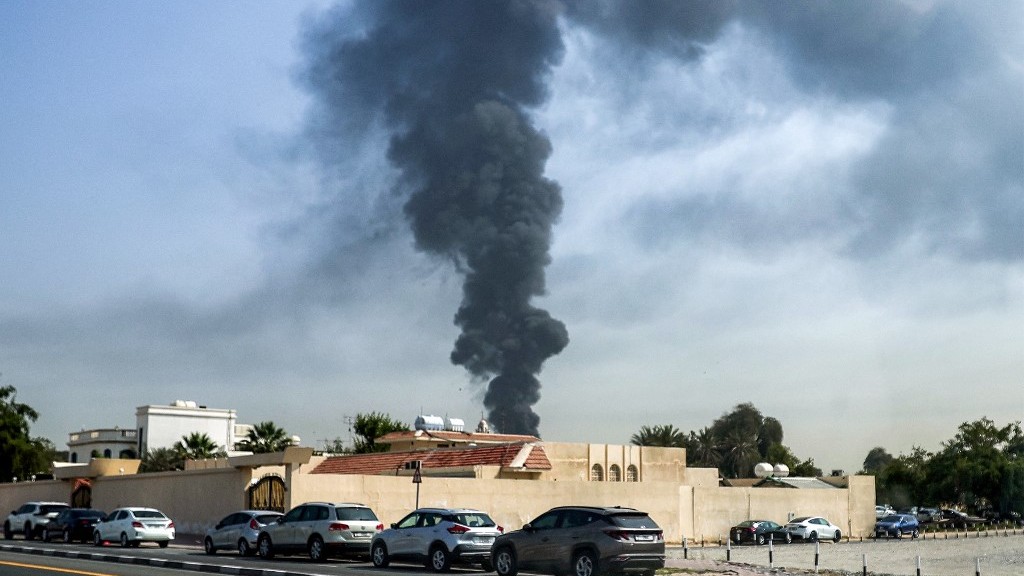
The scale of destruction on the ground has compounded investor anxiety. By March 28, Iran had reportedly launched nearly 400 ballistic missiles, more than 1,870 drones, and at least 15 cruise missiles at US military bases across the UAE, making the country the most targeted nation after Israel. Debris from Iranian strikes caused damage in Abu Dhabi and Dubai, with impacts recorded at the iconic Burj Al Arab, the Palm Jumeirah, Dubai International Airport, and the Fujairah oil industrial zone. Approximately a dozen people have been killed and nearly 180 injured — representing more than 29 nationalities.
Dubai International Airport, the world’s busiest hub for international passengers handling around 95 million passengers annually, shut down completely on March 1. More than 18,400 flights have been cancelled since the war began, with over 3,400 grounded in a single day across Dubai, Al Maktoum, Abu Dhabi, and Sharjah. Both Emirates and Etihad suspended operations entirely. Wealthy expatriates, desperate to leave, reportedly paid as much as $250,000 for private evacuation flights.
The aviation crisis strikes at the heart of the UAE’s economic model. Tourism and travel contributed approximately $70 billion to the national economy last year, accounting for 13 percent of GDP. More than 20 million international visitors arrived in Dubai in 2025 alone, with European and Western tourists comprising more than 20 percent of that total. Iran’s effective closure of the Strait of Hormuz as part of the conflict has added a further layer of disruption to regional trade and energy flows.
The property sector is also under severe pressure. Shares in Emaar Properties, the developer behind many of Dubai’s most recognisable landmarks, have fallen by more than 25 percent. Residential and commercial properties are being offered at discounts of between 10 and 15 percent as sellers seek liquidity amid the uncertainty.
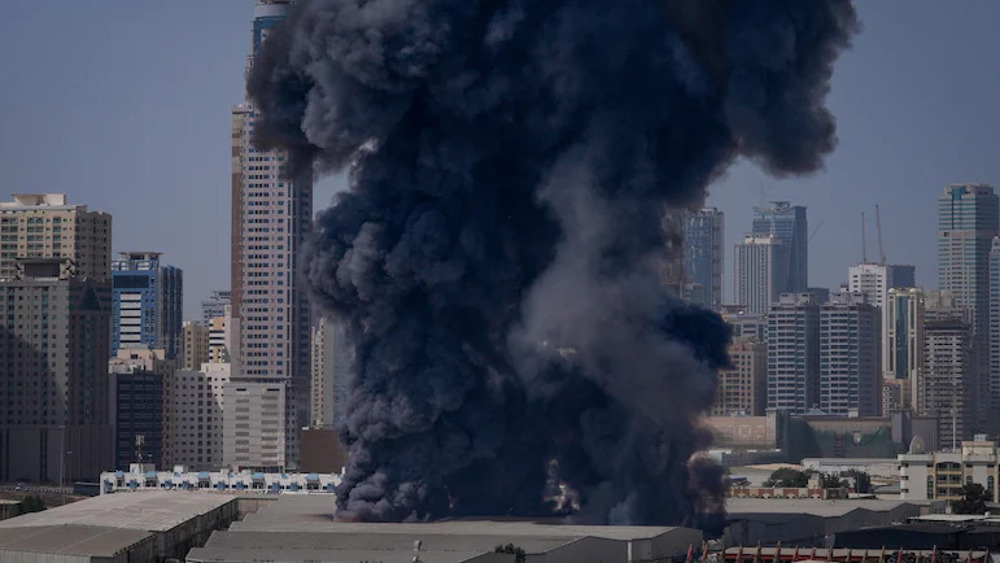
Authorities have moved aggressively to control the information environment. Dubai has arrested at least 70 British nationals for filming the aftermath of Iranian strikes and sharing footage on social media. Those convicted face fines exceeding $260,000 and prison sentences of up to 10 years.
The conflict has arrived at a particularly painful moment for the UAE’s long-term ambitions. The value of UAE-listed stocks surpassed $1 trillion for the first time in 2024, and Dubai had just achieved its highest-ever ranking — seventh place — in the Global Financial Centres Index, published by Z/Yen Partners in collaboration with the China Development Institute. A ten-year economic plan unveiled in 2023 set out a vision for Dubai to rank among the world’s top four financial centres by 2033.
That trajectory now faces profound uncertainty. The S&P 500 has itself dropped about 7 percent since February 28, reflecting broader global market anxiety, but the UAE’s losses are proportionally far steeper given its direct exposure to the conflict zone. Saudi Arabia’s stock market, valued at $2.5 trillion and the largest in the Middle East, has so far avoided the worst of the damage.
The UAE’s position is complicated by its own role in the conflict. The country provided the United States and Israel with access to its bases and territory for operations against Iran — a decision that has made it a primary target for Iranian retaliation and placed its civilian population and economic infrastructure directly in the line of fire. What was conceived as a strategic alignment has, within weeks, transformed into an existential test of the emirate’s resilience and its carefully constructed reputation as the region’s premier hub for finance, tourism, and global connectivity.