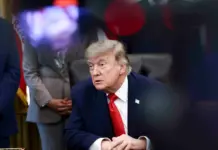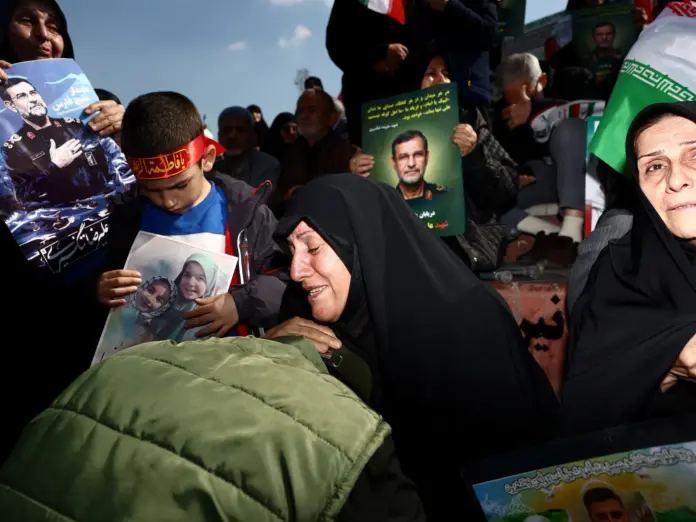
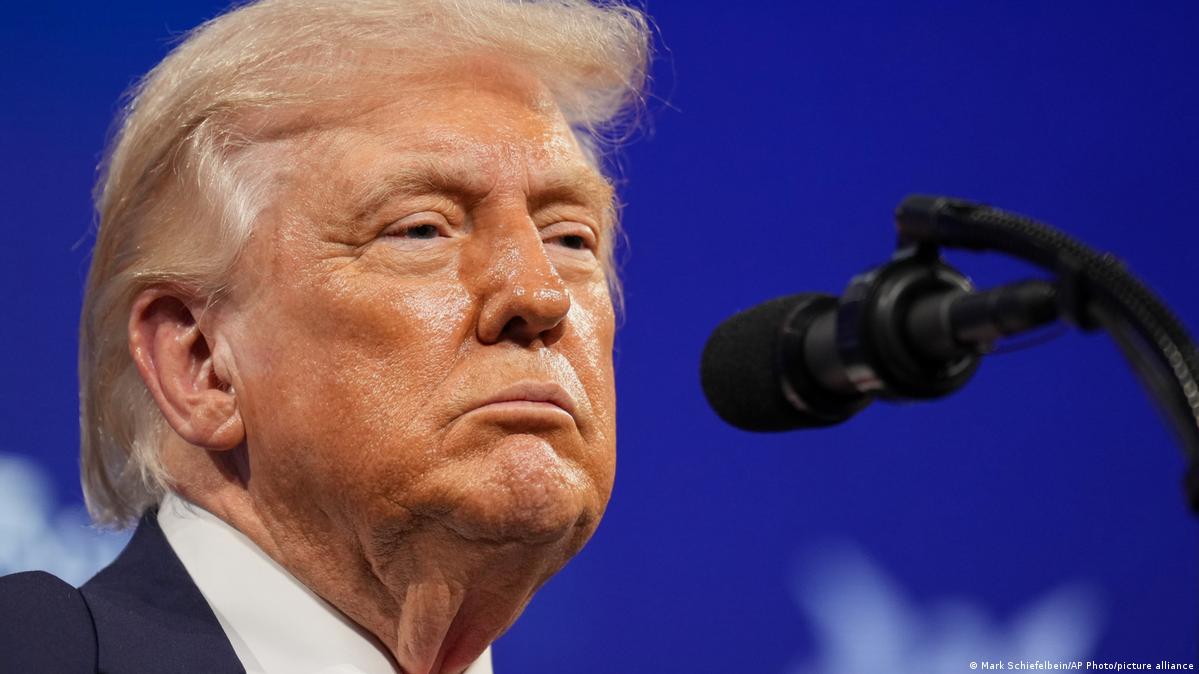
WASHINGTON / TEHRAN — President Donald Trump told the American public Wednesday night that the United States is weeks away from concluding its military campaign against Iran, declaring that the country’s navy is ‘gone,’ its air force ‘in ruins,’ and most of its senior military commanders dead. Speaking in his first prime-time address since ordering strikes alongside Israel on February 28, Trump said Operation Epic Fury had achieved sweeping results and that strategic objectives were nearing completion.
Trump estimated that military operations could conclude within two to three weeks, though thousands of additional US troops are currently en route to the Middle East. He warned Tehran that continued blockage of the Strait of Hormuz — a chokepoint he noted supplies 90 percent of Japan’s oil — would result in Iran being bombed ‘back to the Stone Ages.’ The US has presented Iran with a 15-point ceasefire framework demanding the strait be reopened and Iran’s nuclear programme rolled back.
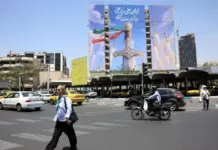
Tehran flatly rejected Trump’s characterisation of events. Iranian Foreign Ministry spokesman Esmail Baghaei dismissed as ‘false and baseless’ Trump’s assertion that Iran’s leadership had requested a ceasefire. Foreign Minister Abbas Araghchi was blunter still: ‘You cannot speak to the people of Iran in the language of threats and deadlines.’
In a striking parallel diplomatic move, Iranian President Masoud Pezeshkian published an open letter in English on his X account addressed directly to the American public. Released through state media, the letter argued that Iran has never chosen ‘the path of aggression, expansion, colonialism, or domination in its modern history’ and that Iranians harbour no enmity toward Americans or their neighbours. Pezeshkian accused Israel of manipulating US policy and alleged Washington is acting as a proxy in the conflict. He questioned which American interests are genuinely served by the war, warning that continued military action would only deepen instability and human suffering across the region.
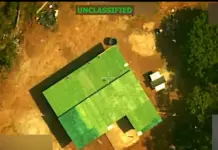
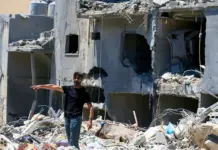
On the battlefield, the scale of the campaign is staggering. US Central Command has struck 12,300 targets since the war began, destroying or damaging 155 Iranian naval vessels. Nine civilians were killed in the cities of Larestan and Mianeh in strikes carried out in recent hours. Among the most significant casualties was Kamal Kharrazi, the former Iranian foreign minister and head of the Strategic Council on Foreign Relations, who was gravely wounded in what appeared to be a targeted assassination strike; his wife was killed in the same attack. Kharrazi had previously served as an adviser to the late supreme leader.
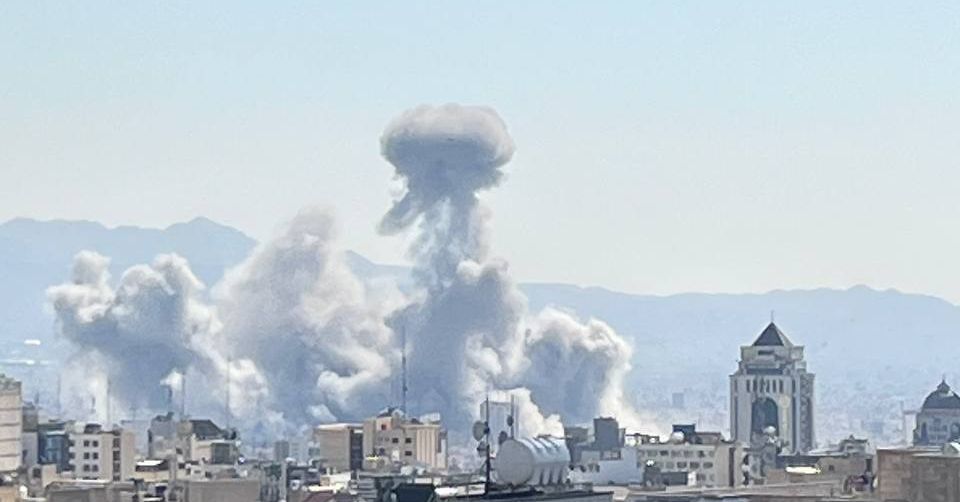
The conflict is rapidly destabilising the broader Gulf region. A fuel tank fire erupted at Kuwait‘s main airport following an alleged Iranian attack. Air defence systems in Bahrain, Saudi Arabia, and the United Arab Emirates intercepted incoming missiles and drones. Saudi forces shot down a ballistic missile targeting the kingdom’s Eastern Province. The incidents underscore how a conflict nominally between the US, Israel, and Iran is drawing in neighbouring states with increasing urgency.
Hezbollah simultaneously escalated its operations on Israel’s northern front, firing rockets at Israeli military infrastructure in the Kiryat Ata area east of Haifa and targeting the towns of Malkia and Metula in northern Israel. The group also announced attacks on Israeli troops in the southern Lebanese town of Ainata. The death toll from Israeli operations in Lebanon has reached 1,318 people. In Israel, four people — including two seven-month-old infants — sustained minor injuries from falling debris in the central city of Bnei Brak.
The economic consequences of the war are accelerating. Brent crude oil has surged more than 40 percent since hostilities began on February 28. Average US gasoline prices crossed $4 per gallon this week — the highest level since 2022 — representing an increase of more than 25 percent since the conflict started. The figures are beginning to register politically at home, even as Trump argued that his withdrawal from the 2015 nuclear deal had been vindicated by preventing Iran from acquiring nuclear weapons. Iran has consistently maintained that its nuclear activities are entirely peaceful.
Trump’s address, which began at 9pm Washington time, came as his administration faces mounting pressure to define an exit strategy. The president’s two-to-three-week timeline for concluding operations will be tested against a conflict that has already proven far broader in scope than initial strikes suggested, with no diplomatic channel yet producing a framework both sides acknowledge as legitimate.