US President Donald Trump has declared his intention to seize Iranian oil assets, including the country’s primary export hub on Kharg Island, as a sprawling conflict between the United States, Israel and Iran enters its second month with no clear end in sight and energy markets in turmoil.
Speaking in an interview, Trump said the US had already bombed 13,000 targets inside Iran and had approximately 3,000 remaining. He claimed the killing of Supreme Leader Ayatollah Ali Khamenei and other senior Iranian officials in the opening days of the war amounted to effective regime change, and suggested that Khamenei’s son and successor, Mojtaba Khamenei, was either dead or severely wounded. Iranian authorities have not confirmed those claims.
Trump also disclosed that indirect negotiations between Washington and Tehran, facilitated by Pakistani intermediaries, were ongoing and making positive progress. He said Iran had permitted ten Pakistan-flagged oil tankers through the Strait of Hormuz — a number later doubled — with the movement authorised by Iranian parliament speaker Mohammad Bagher Ghalibaf. The same official separately accused the United States of plotting a ground invasion.
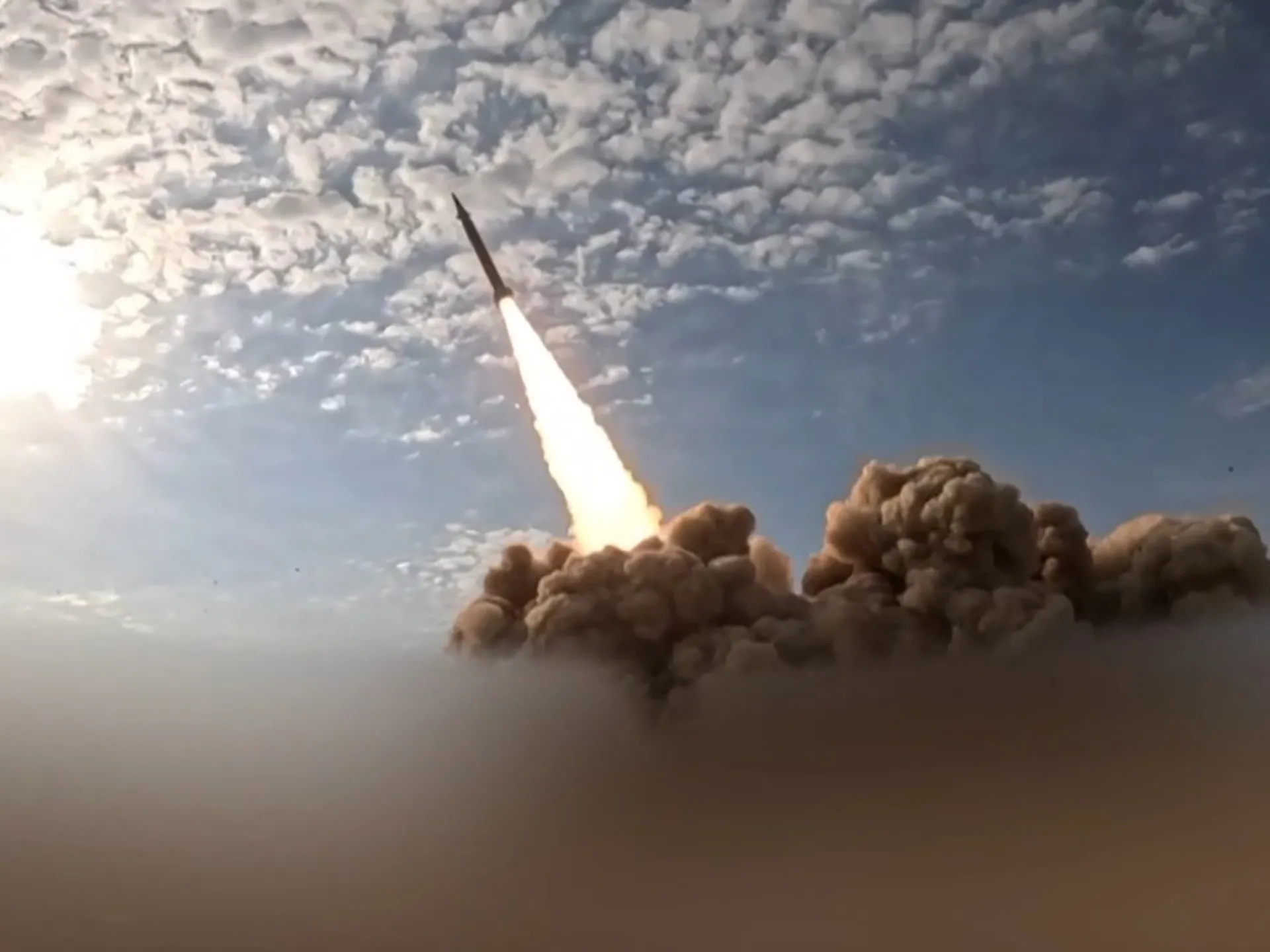
The Strait of Hormuz, through which approximately 20 percent of global oil and liquefied natural gas passes, has been effectively blocked by Iran since the conflict began, sending energy prices to levels not seen in decades. Brent crude rose 2.98 percent to $115.93 a barrel as of Monday, representing a gain of more than 62 percent since February 27 — surpassing the price shock that followed Iraq’s invasion of Kuwait in 1990. US WTI crude climbed 3.01 percent to $102.64, up 65.29 percent over the same period.
Trump said he would pause threatened strikes on Iranian energy plants for ten days until April 6. Iran has warned it will retaliate against energy sites across the Gulf region if its own facilities are targeted.
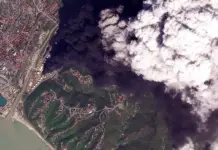
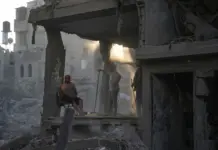
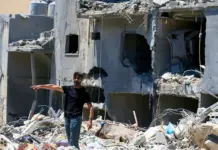
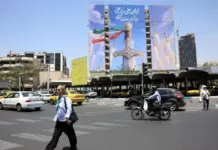
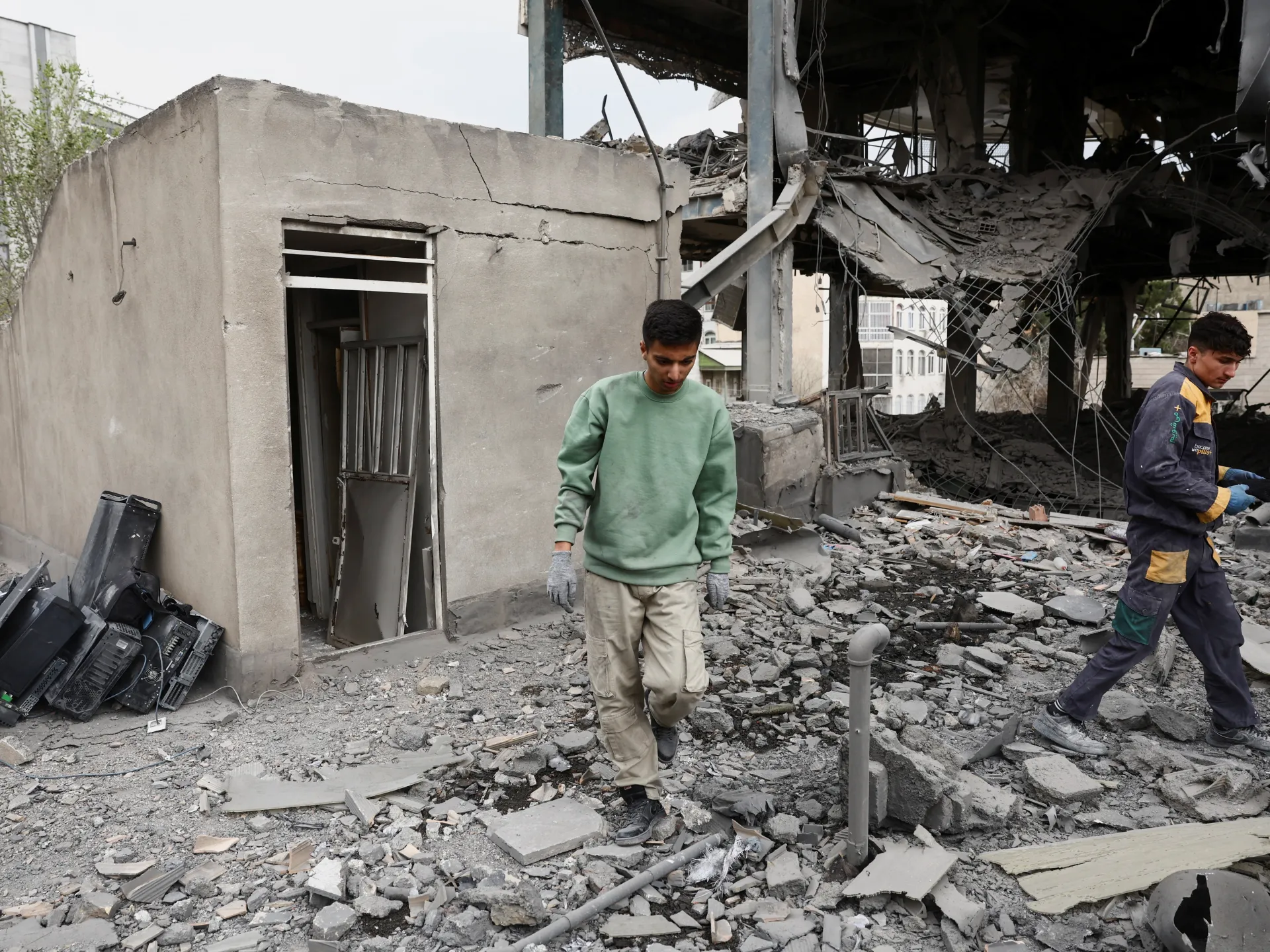
The military campaign has already exacted a heavy toll. US-Israeli strikes hit a petrochemical plant in Tabriz and knocked out electricity across parts of Tehran, with Iran’s Ministry of Energy confirming power outages in the capital, its surrounding region and Alborz province following attacks on electricity infrastructure. Iranian authorities report more than 2,000 people killed in the strikes, including at least 216 children. Despite the bombardment, pro-government rallies were held nightly across Iran.
The conflict has spread well beyond Iranian borders. Kuwait has endured repeated attacks since the war began. An Iranian strike on a power and water desalination plant killed one Indian worker and caused significant material damage to a service building at the facility. Kuwait’s Ministry of Electricity confirmed the attack and dispatched technical and emergency response teams to the site. Ten Kuwaiti servicemen were also injured in separate drone strikes on a military camp and were hospitalised. The previous evening, Kuwait’s Defence Ministry detected 14 missiles and 12 drones in Kuwaiti airspace.
The targeting of water desalination infrastructure has drawn particular alarm in a region ranked among the most water-scarce on earth, exposing the acute vulnerability of critical civilian systems to military strikes.
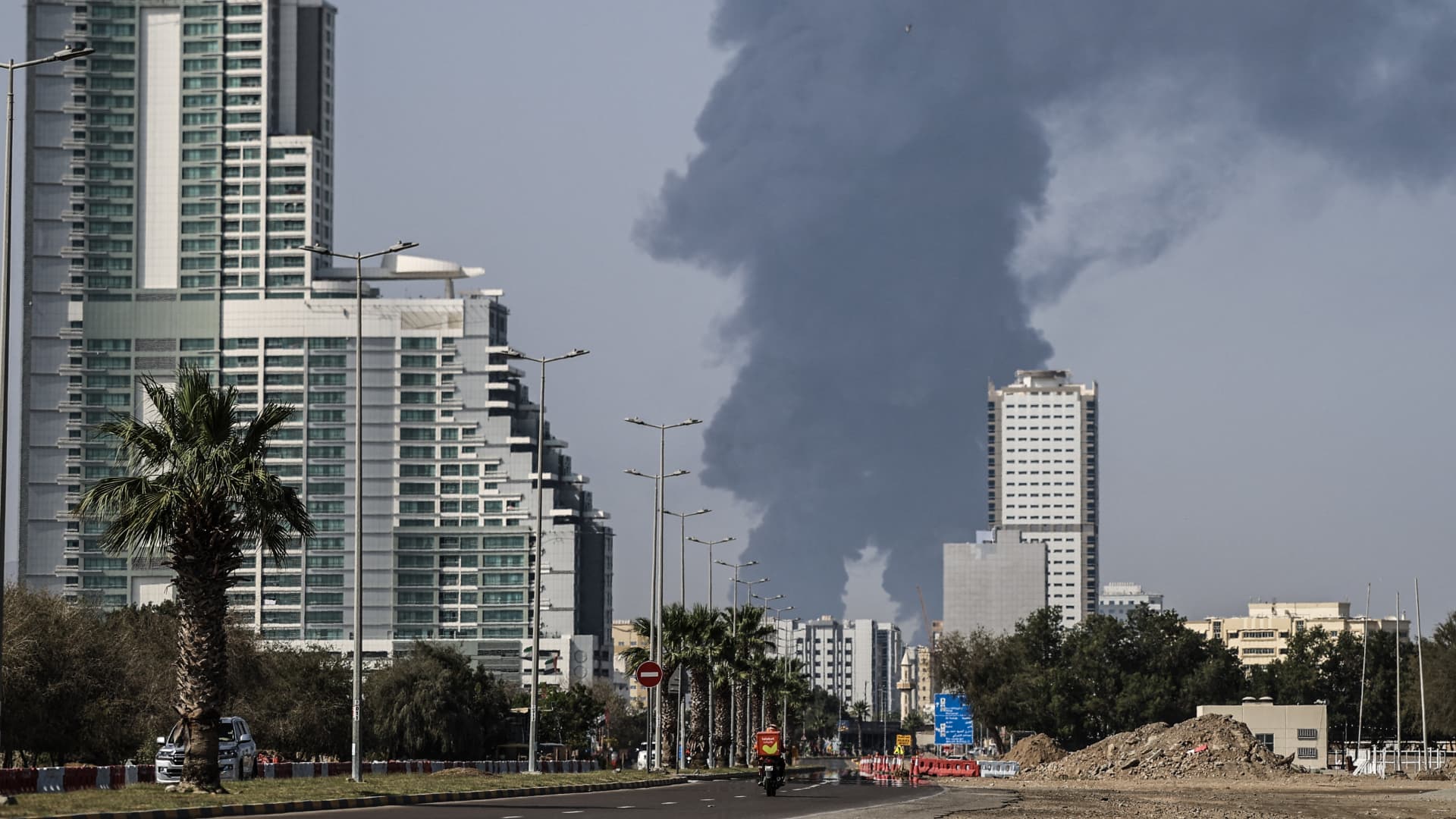
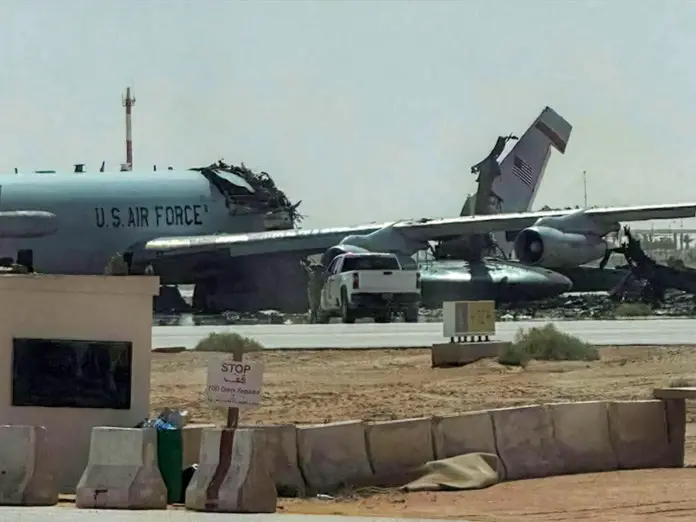
Elsewhere in the Gulf, Saudi Arabia’s Ministry of Defence intercepted five ballistic missiles heading toward its Eastern Province, while alarms were raised in Bahrain and the UAE following explosions. Powerful blasts struck the Victory Base Complex, a US logistics support facility near Baghdad. In southern Lebanon, a UN peacekeeper was killed in an attack, and Israeli Prime Minister Benjamin Netanyahu ordered troops to seize additional territory in the south. An Iranian missile struck a chemical facility in the Neot Hovav industrial zone near Beersheba, sparking a fire, while Iranian forces targeted another industrial zone in southern Israel. Israel intercepted two drones launched by Yemen’s Houthi movement.
Diplomatic efforts are gathering pace amid the escalation. Foreign ministers from Pakistan, Egypt, Turkiye and Saudi Arabia convened in Islamabad, issuing a joint commitment to pursue de-escalation. The meeting underscored growing anxiety among regional powers over a conflict that has already destabilised energy markets, threatened civilian infrastructure and drawn the United States into its most significant Middle East military engagement in years. The US has deployed thousands of military personnel to the region since hostilities began.