Russian President Vladimir Putin has expressed a desire for continued peace discussions with Ukraine while asserting that his military forces are making progress along the entire front. This comes despite the looming threat of US sanctions should a ceasefire not be established. Putin remarked, “All disappointments arise from inflated expectations,” implying a response to former US President Donald Trump’s dissatisfaction with Putin’s handling of the situation. Addressing the issue following a severe Russian airstrike on Kyiv, Putin reiterated calls for Ukraine’s neutrality and recognized the territories under Russian control, which Ukraine sees as unacceptable.
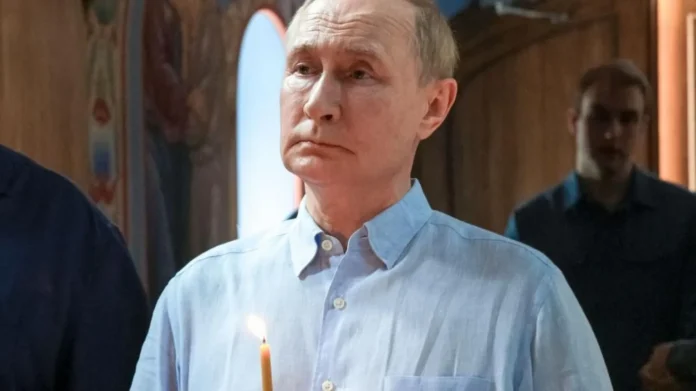
Ukrainian President Volodymyr Zelensky showed willingness to meet Putin at any given time. During his speech at the Valaam Monastery in northwestern Russia, Putin anticipated ongoing negotiations with Ukraine, maintaining a positive outlook. However, in response to the intensifying demands from Ukraine and its Western supporters for a durable ceasefire, he noted, “As for any disappointments on the part of anyone, all disappointments arise from inflated expectations. Our enemies and ill-wishers… now have one fiery passion: to stop our advance at any cost.”
Ukraine and its partners have consistently accused Russia of derailing peace negotiations and refusing a substantial ceasefire, asserting that Moscow’s true intention is to expand its territorial control in Ukraine.
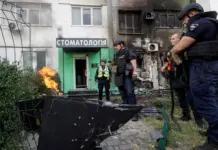
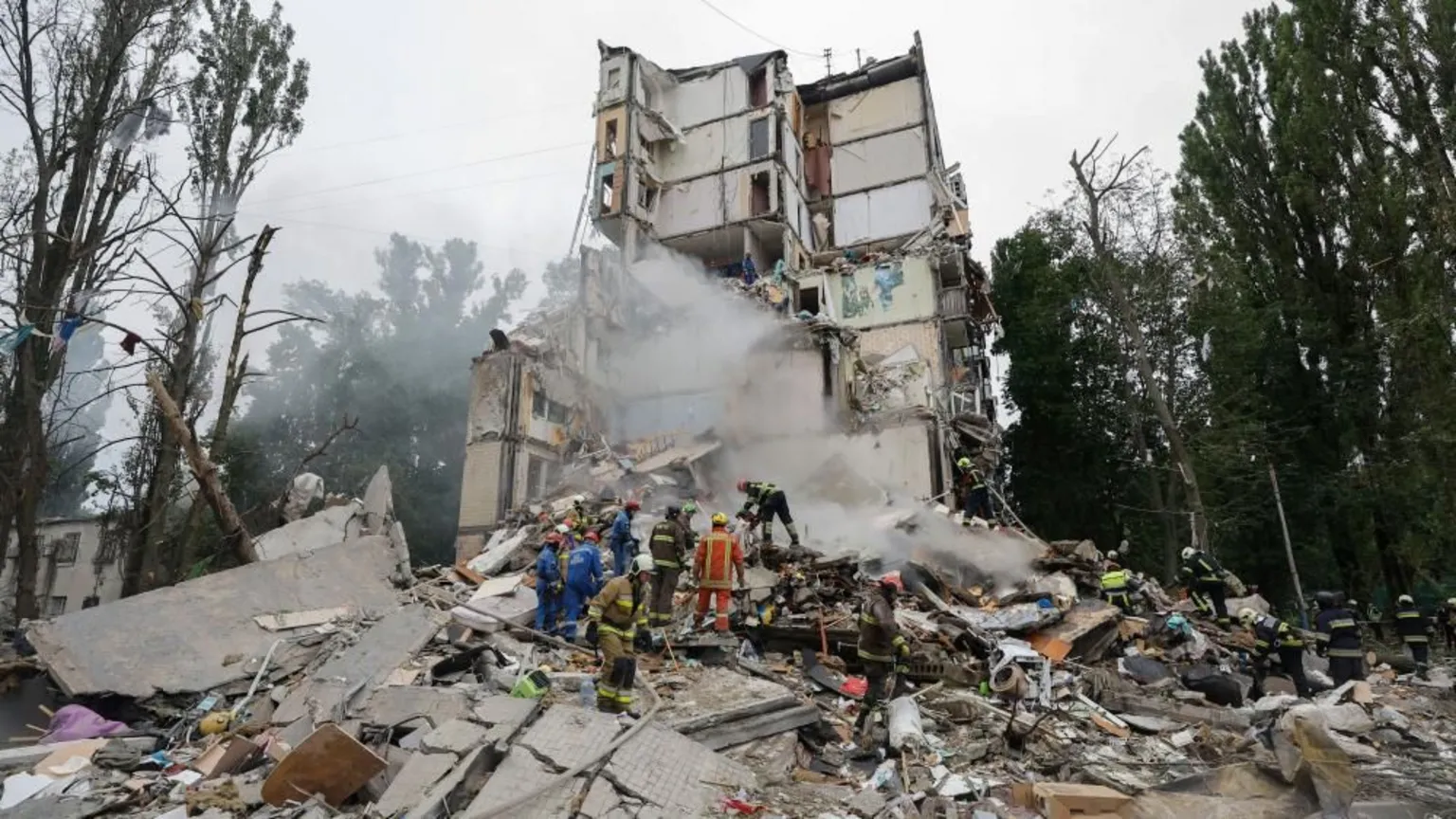
Past discussions in Istanbul between Russia and Ukraine have not yielded significant progress, other than an agreement on exchanging thousands of prisoners of war. In reaction to Putin’s statements, Zelensky questioned whether Moscow is truly committed to a dignified resolution and lasting peace or simply delaying to avoid sanctions. Recently, Russia has escalated its drone and missile attacks on Ukraine. On Thursday, a Russian assault claimed the lives of at least 31 people in Kyiv, including five children.
Trump strongly criticized Russia’s actions and warned of imposing additional sanctions, labeling the situation as “disgusting.” Despite setting initial deadlines for Russia to conclude hostilities, Trump’s ultimatums have not stirred a response from Putin. The Kremlin leader explicitly indicated he would not be swayed by threats from the White House. Trump’s disappointment with Putin’s lack of action does not seem to deter the Russian leader. Belarusian leader Alexander Lukashenko, present during the Valaam visit, dismissed Trump’s deadlines, saying, “50 days, 60 days, 10 days.
You don’t do politics like that.”
Although Trump’s deadlines may not always be firm, the latest one is set to expire on August 8. Should Russia fail to agree to a ceasefire by then, further sanctions could be applied not only to Russia but also to countries purchasing Russian oil. However, there is skepticism in Moscow regarding the US’s resolve to impose tougher measures. Judging by Putin’s recent remarks about Russia’s strategic gains in Ukraine, it appears Moscow does not see a ceasefire as advantageous.
Ukrainian leaders have noted “positive signals” from the US regarding potential sanctions. Previously, US diplomat John Kelley encouraged both Russia and Ukraine to negotiate a ceasefire and long-lasting peace. Trump’s special envoy, Steve Witkoff, is set to visit Russia next after his current trip to Israel, although further details are sparse. The Ukraine conflict has witnessed significant advancements in drone technology, with rare instances of these innovations saving lives.
President Trump announced the deployment of two nuclear submarines to “appropriate regions” following a severe attack on Kyiv. Meanwhile, US-India relations have been strained by India’s Russian oil purchases, despite being considered an ally, as pointed out by Marco Rubio.