A cascade of fragile ceasefires is straining across the Middle East, with mounting civilian casualties in Gaza, a tense military standoff between the United States and Iran, and an extended but deeply contested truce in Lebanon raising fears that the region’s overlapping conflicts are far from resolution.
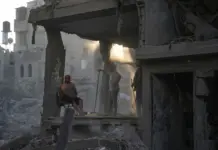
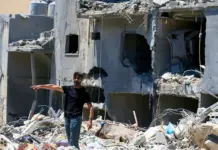
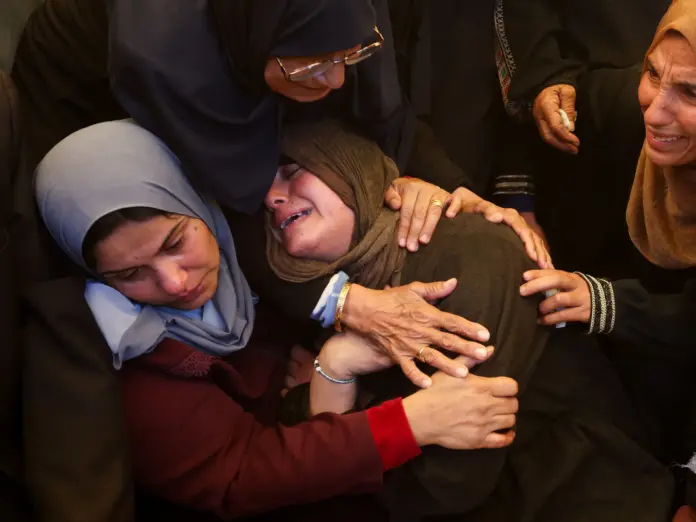
In Gaza, Hamas spokesman Hazem Qassem reported that more than 700 people have been killed since a US-backed ceasefire between Israel and Hamas took effect — an average of five deaths per day. Israel continues to conduct assassinations and bombardments inside the enclave while restricting the flow of humanitarian aid to less than a third of what was agreed under the truce’s terms. Mobile homes, tents, and medical supplies remain blocked at the border, deepening what aid organisations describe as a catastrophic humanitarian situation.
Political analyst Ahed Farwana, who specialises in Israeli affairs, noted that Israel now controls more than 60 percent of Gaza’s territory, a foothold that shapes the increasingly deadlocked negotiations over the conflict’s second phase. That phase envisions the formation of a national committee to govern Gaza, the possible deployment of international forces, and substantive talks on the future of weapons inside the enclave. However, the two core demands at the heart of any deal remain irreconcilable for now: Hamas has tied its disarmament to a complete Israeli withdrawal and the establishment of a Palestinian state, while Israel insists disarmament must precede any withdrawal.
Several rounds of talks between a Hamas delegation and UN envoy Nikolay Mladenov have taken place in Cairo in March and into the current month, focusing on stabilising the ceasefire, ensuring implementation of its first phase, and addressing humanitarian access including aid delivery and border crossings. The talks have yet to produce a breakthrough on the deeper political questions.
Analysts point to Israel’s domestic political calendar as a complicating factor. With an election year underway and Prime Minister Benjamin Netanyahu in office, the incentives for bold diplomatic concessions are limited. Researcher and strategic analyst Wissam Afifa has observed that the Trump administration is expected to apply a similar escalation-management approach to Gaza as it pursued in Lebanon — containing violence without resolving underlying disputes.
In Lebanon, President Donald Trump announced that Israel and Lebanon have agreed to extend their ceasefire by three weeks following talks at the White House. The negotiations notably excluded Hezbollah, the Iran-backed armed group that fought Israeli forces before the original truce. Israel has since established what it calls a "Yellow Line" demarcating territory it continues to occupy in southern Lebanon, drawing comparisons to its conduct in Gaza. Since a major escalation began on March 2, more than 2,500 people have been killed in Lebanon and over a million displaced — a toll that underscores how costly the conflict has already been even as diplomats seek to prevent its resumption.
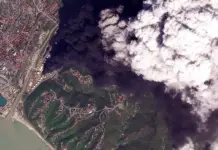
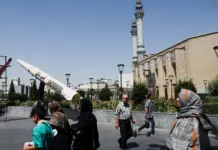
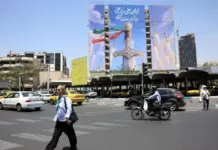
The broader regional picture is further complicated by a separate and equally fragile ceasefire between the United States and Iran, which has held since April 8 following weeks of US-Israeli bombing campaigns against Iran and Tehran’s retaliatory strikes. Iran has closed the Strait of Hormuz — a chokepoint through which roughly a fifth of the world’s oil supply passes — while Washington has imposed a blockade on Iranian ports. The economic and strategic consequences of both measures are reverberating through global energy markets.
Pakistan has stepped into the diplomatic vacuum, acting as a mediator in efforts to bring the United States and Iran back to the negotiating table. The extent of Islamabad’s influence over both parties remains uncertain, but its willingness to engage reflects the alarm among regional powers over the potential for the US-Iran standoff to escalate further.
Across the occupied West Bank, Israeli settlements continue to expand in territory that remains illegal under international law, adding another layer of tension to an already volatile landscape. The interlocking nature of these conflicts — Gaza, Lebanon, Iran, and the West Bank — means that a collapse in any single ceasefire risks triggering a broader conflagration at a moment when diplomatic bandwidth is already stretched thin.
With negotiations stalled, humanitarian conditions deteriorating, and military postures hardening on multiple fronts, the coming weeks will test whether the region’s patchwork of ceasefires can hold long enough for substantive diplomacy to take root.