SOUTHERN LEBANON — Israel ordered the forced evacuation of seven towns in southern Lebanon on Sunday, pushing its military pressure beyond the boundaries of its self-declared buffer zone and deepening a crisis that has rendered a US-brokered ceasefire increasingly fragile.
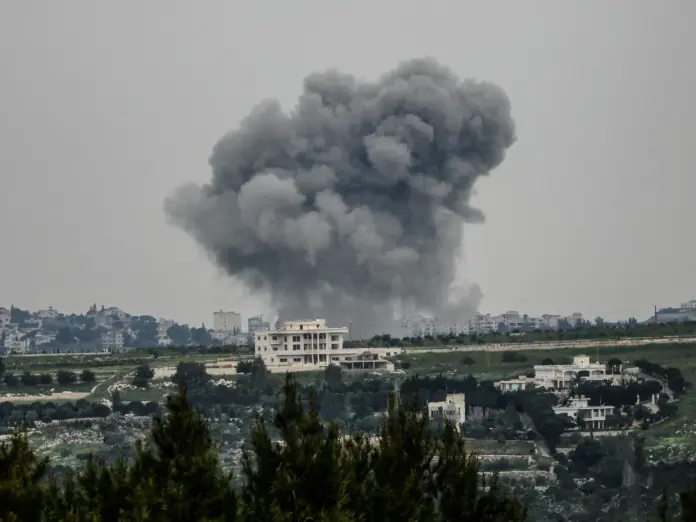
The targeted towns lie north of the Litani River, placing them outside the roughly 10-kilometre strip Israel has designated as a security buffer along the Lebanese border. The orders sent thousands of civilians fleeing toward the coastal cities of Sidon and Tyre, as multiple Israeli airstrikes struck across the south throughout the day.
Hezbollah, the Iran-aligned militant group, struck back. It launched a swarm of drones against Israeli troops in the town of Biyyada and claimed two separate drone attacks targeting a gathering of Israeli soldiers in Taybeh. The clashes proved deadly: Sergeant Idan Fooks, 19 years old, was killed during combat operations in southern Lebanon, and five additional Israeli soldiers sustained injuries.
The violence marks a sharp escalation in a conflict that has defied repeated attempts at containment. The ceasefire brokered by the United States between Israel and Hezbollah took effect on April 16 and has since been extended to mid-May. Yet Israeli military forces have conducted strikes on what they describe as Hezbollah targets in south Lebanon on nearly every day since the agreement came into force.
Hezbollah contends that Israel has violated the ceasefire more than 500 times. The group has also rejected allegations that it is the party undermining the truce, and separately noted that it had no role in approving the ceasefire terms. Prime Minister Benjamin Netanyahu offered a pointed rebuttal to international criticism, stating that Israel’s obligations are the security of the state, its soldiers, and its communities. Under the truce’s terms, Israel maintains the right to respond to attacks it deems planned, imminent, or ongoing.
The human toll inside Lebanon has been severe. Since fighting resumed on March 2, Lebanon’s Health Ministry has recorded at least 2,509 people killed and 7,755 wounded as a result of Israeli strikes — figures that underscore the scale of destruction in a country still struggling to recover from years of economic and political collapse.
Sunday’s evacuation orders represent a significant geographic expansion of Israeli military activity. By directing civilians out of towns beyond the declared buffer zone, Israel signals an intent to operate across a broader swath of Lebanese territory than it had previously acknowledged. That posture complicates diplomatic efforts to stabilise the ceasefire and raises questions about the long-term boundaries of any eventual withdrawal.
The situation along the Litani River corridor has long been a flashpoint. United Nations Security Council Resolution 1701, which ended the 2006 war between Israel and Hezbollah, called for the disarmament of armed groups south of the river and the deployment of Lebanese state forces — provisions that were never fully implemented. The current conflict, which reignited on March 2, has effectively collapsed whatever fragile equilibrium existed in the intervening years.
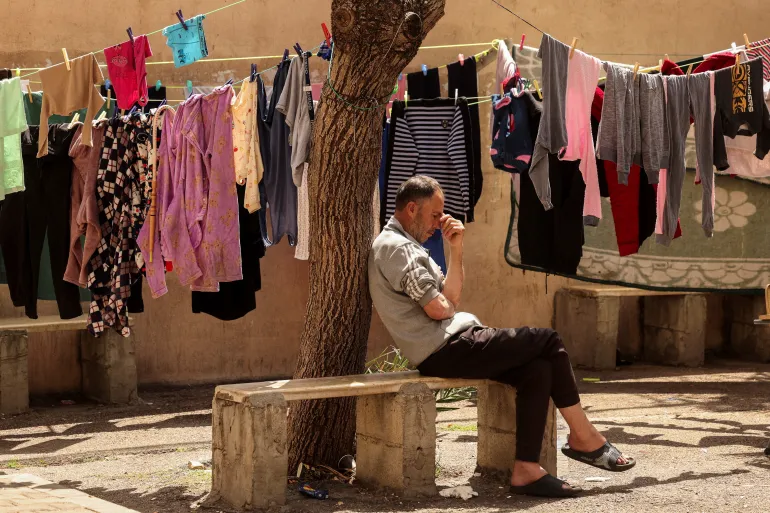
With the ceasefire extension running only to mid-May, pressure is mounting on all parties to either consolidate the truce or confront the prospect of a broader military confrontation. For the tens of thousands of Lebanese civilians now displaced — many of whom had only recently returned to their homes after earlier rounds of fighting — the window for stability is narrowing rapidly.