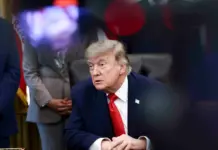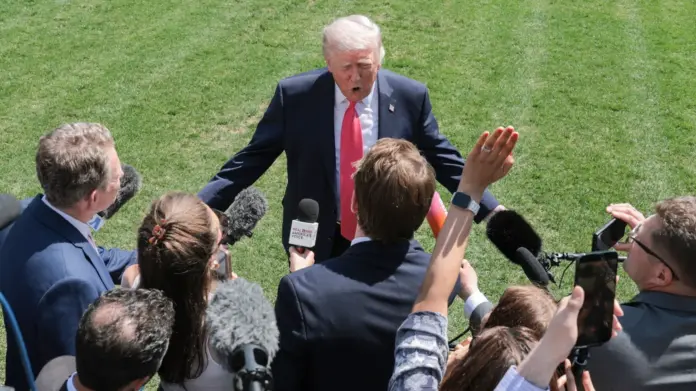
A fragile 10-day ceasefire between Israel and Lebanon came into force at 17:00 US Eastern time on Thursday — midnight local time — after US President Donald Trump announced the agreement following direct consultations with Israeli Prime Minister Benjamin Netanyahu and Lebanese President Joseph Aoun. The truce halts six weeks of fighting that has killed more than 2,196 people in Lebanon, displaced over one million residents, and destroyed or damaged an estimated 37,000 homes.
The conflict erupted on 2 March, two days after the United States and Israel launched a joint military strike on Iran. Hezbollah fired rockets into northern Israel that same day, declaring the assault a retaliation for the killing of Iranian Supreme Leader Ayatollah Ali Khamenei, who died on 28 February in an Israeli strike on the opening day of the Iran campaign. Israel subsequently re-entered southern Lebanon as Hezbollah attacks intensified.
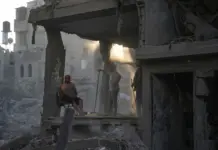
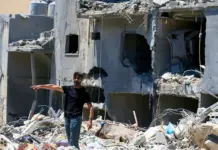
The human toll inside Lebanon has been severe. The Lebanese health ministry confirmed 2,196 deaths, including 260 women and 172 children. Roughly a fifth of Lebanon’s entire population has been forced from their homes, and Israeli evacuation orders now cover approximately 15 percent of Lebanese territory. On Thursday, hours before the ceasefire was due to begin, the Israeli military destroyed the last bridge connecting southern Lebanon to the rest of the country. Strikes on the southern district of Tyre killed nine people over two days, including a paramedic, while a separate attack on the town of Ghaziyeh killed at least eight people and wounded 33 others.
![Smoke rises from Israeli air strikes over Beirut and its southern suburbs on April 8, 2026 [Anwar Amro/AFP]](https://world-tension.s3.us-east-2.amazonaws.com/articles/442/d6b836defa49430a817db23d7e353201.webp)
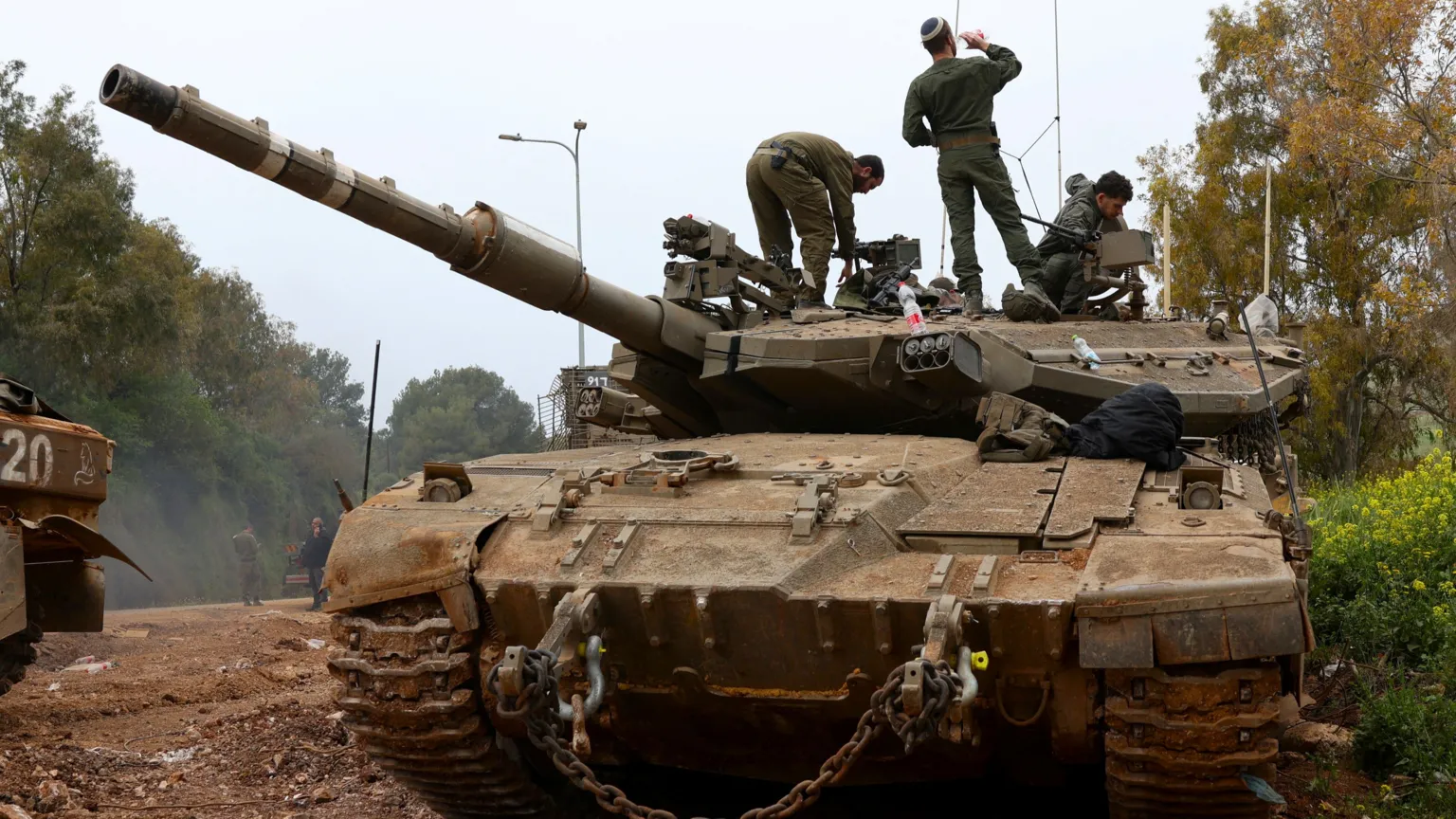
Cross-border fire continued from both sides in the hours leading up to the truce’s scheduled start, echoing the pattern of a previous ceasefire that formally ended 13 months of conflict but still witnessed near-daily violations. Israel acknowledged losing 13 soldiers in ground combat in Lebanon, with Hezbollah rocket fire killing two Israeli civilians.
The diplomatic groundwork was laid Tuesday in Washington, DC, where Lebanese and Israeli envoys held their countries’ first direct talks in decades, hosted by Secretary of State Marco Rubio. Lebanese President Aoun declined to speak directly with Netanyahu before the ceasefire was formalised. Lebanese Prime Minister Nawaf Salam welcomed Trump’s announcement, calling the truce "a central Lebanese demand" pursued since the first day of the war.
Significant disagreements persist over the ceasefire’s terms. Netanyahu confirmed that Israeli troops would maintain a 10-kilometre-deep security zone inside southern Lebanon and reserved Israel’s right to take all necessary measures in self-defence against planned, imminent, or ongoing attacks at any time. Israeli officials have previously signalled an intention to retain security control over southern Lebanese territory even after the current war concludes. Netanyahu also identified the disarmament of Hezbollah as a fundamental Israeli demand in any further negotiations with Beirut.
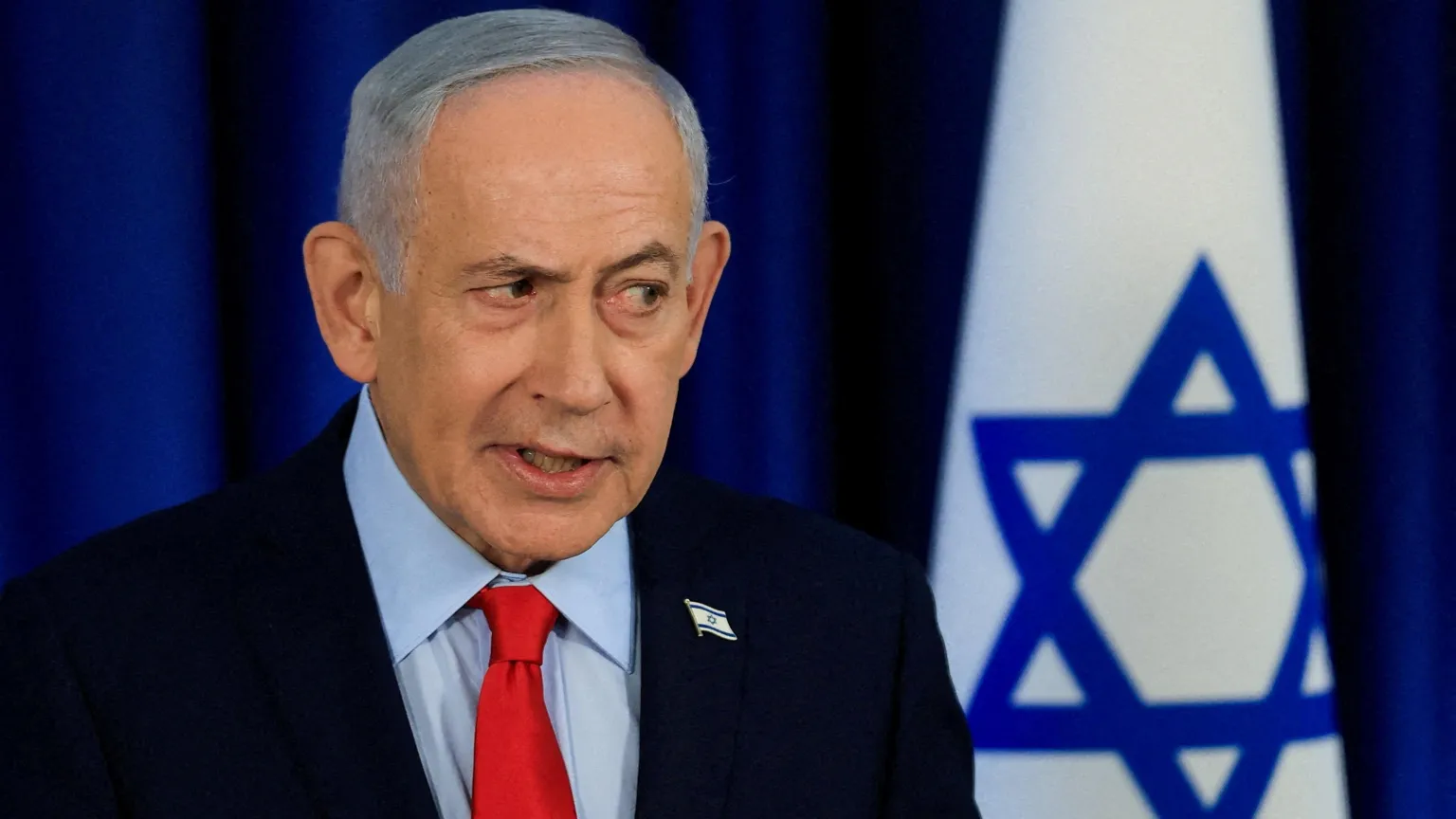
Hezbollah, for its part, insisted the ceasefire must encompass a comprehensive halt to all attacks across Lebanon and explicitly rejected freedom of movement for Israeli forces inside Lebanese territory. Hezbollah lawmaker Ibrahim al-Moussawi said the group would honour the truce only if Israeli strikes on its fighters ceased entirely. The ceasefire agreement formally recognised that Lebanon’s own security forces hold exclusive responsibility for the country’s security — a provision that implicitly challenges Israel’s declared intention to maintain a buffer zone.
Trump said the ceasefire could be extended by mutual agreement if negotiations showed meaningful progress, and he invited both Netanyahu and Aoun to the White House for talks he described as the most significant direct engagement between Israel and Lebanon since 1983, during the Lebanese Civil War. He expected both leaders to arrive in the United States within the next week or two.
The Lebanon truce is intertwined with a broader regional diplomatic effort. The United States and Iran have been engaged in their own two-week ceasefire and are discussing a second round of peace talks in Pakistan. Iran argued its ceasefire arrangement should extend to Lebanon; Washington and Jerusalem rejected that position. Trump disclosed that US-Iran negotiations had produced an agreement under which Iran would not develop nuclear weapons beyond a 20-year horizon.
Whether the 10-day pause holds will depend largely on whether the deep structural disputes — Israeli troops on Lebanese soil, Hezbollah’s arsenal, and the unresolved question of who controls the south — can be bridged before the clock runs out.