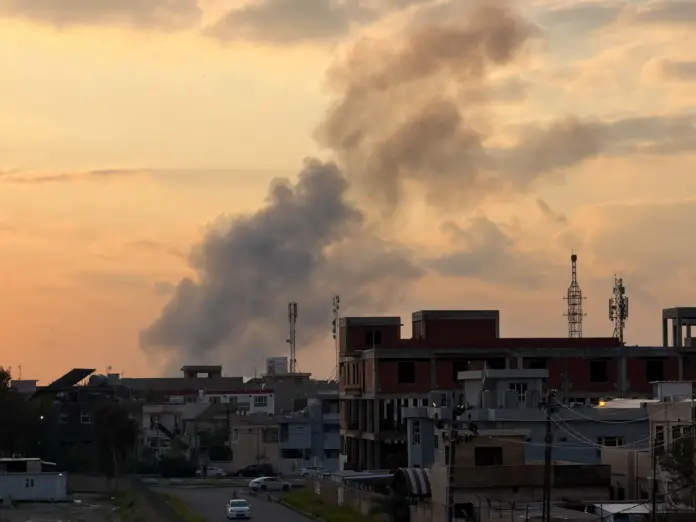
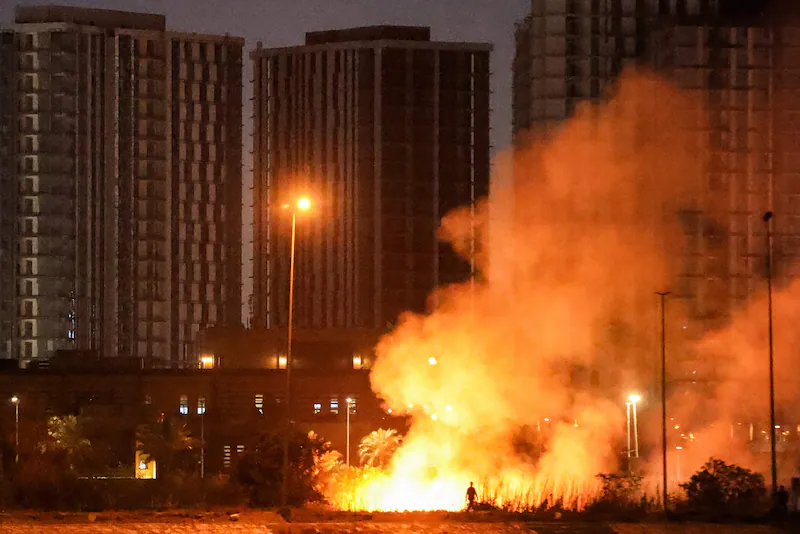
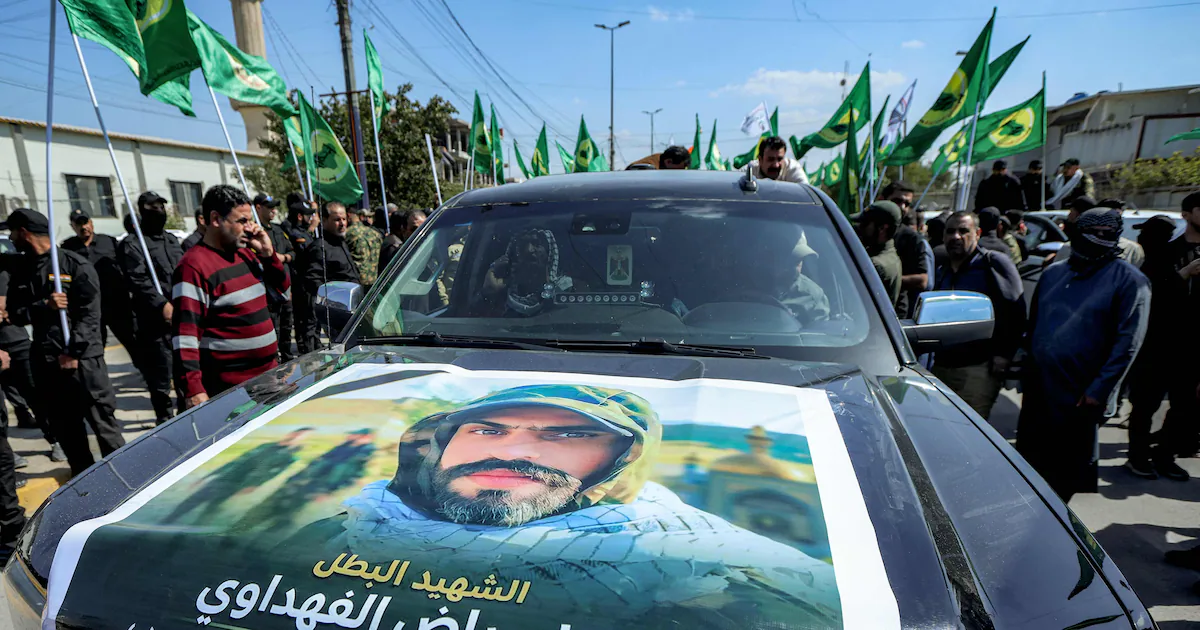
A series of devastating air strikes and drone attacks across Iraq on Saturday, March 28, 2026, killed at least five people — three Popular Mobilisation Forces (PMF) fighters and two Iraqi police officers — and wounded at least eight others, as the country’s fragile position between rival powers descended into open violence.
The deadliest single incident struck the PMF’s headquarters near Kirkuk International Airport in northern Iraq, where a double bombing killed three fighters and wounded two more, along with six Iraqi soldiers. Simultaneously, a separate strike in Mosul — approximately 170 kilometres northwest of Kirkuk — killed two members of the Iraqi police in an attack also directed at PMF positions. The PMF, which has been formally integrated into the Iraqi armed forces, attributed both assaults to what it described as a ‘treacherous Zionist-American’ operation, placing direct blame on Washington and Tel Aviv.
The violence did not end there. At dawn on Thursday, a fresh round of strikes targeted PMF units across Salahuddin province, killing at least two more fighters and wounding several others. The first strike hit the headquarters of the PMF’s 6th Brigade in the town of Beiji, north of Baghdad, injuring three fighters, one of whom was left in critical condition. A second strike struck a checkpoint operated by the PMF’s 31st Brigade near Al Siniya airport, killing one fighter and wounding others. A third attack hit the 4th Regiment of the 30th Brigade in the Nineveh Plains, killing one fighter and wounding two more. The PMF again accused the United States and Israel of responsibility.
Drone activity compounded the crisis. Two unmanned aerial vehicles targeted an airbase near Erbil airport, which serves as a hub for US and coalition forces in the region. The US C-RAM air defence system intercepted both drones before they could cause damage. In a more personal strike, a drone attacked the private residence of Nechirvan Barzani, president of the Kurdistan Regional Government, in the western town of Duhok. Kurdish officials condemned the assault and called for immediate action against those responsible. Masrour Barzani, prime minister of the Kurdistan Regional Government, denounced the attack in the strongest terms.
A drone also crashed into the southern Majnoon oilfield without detonating, causing no casualties or structural damage, according to the Iraqi Ministry of Defence — a reminder of the economic vulnerabilities now in play across the country.
The escalation has alarmed international partners. French President Emmanuel Macron described the mounting attacks as a ‘worrying development’ following a direct conversation with Masrour Barzani about the deteriorating security situation. Iraq, which maintains economic and security relationships with both the United States and Iran, is increasingly struggling to contain the fallout from a conflict it did not initiate.
The roots of the current crisis trace back to February 28, 2026, when US-Israeli strikes on Iran triggered a cascading series of retaliatory actions across the region. Iraq has since become what observers describe as an expanding battleground, with pro-Iran factions within the PMF — some of which take their operational cues from Tehran rather than Baghdad — claiming responsibility for attacks on US interests both inside Iraq and beyond its borders.
The PMF itself was established in 2014 on the orders of Grand Ayatollah Ali Sistani to combat the Islamic State (ISIL) at a moment when the Iraqi military had collapsed in the face of the group’s rapid territorial advance. Over the subsequent decade, the force was formally absorbed into the Iraqi army, though its internal loyalties have remained divided. While the organisation nominally takes its orders from Baghdad, several of its most powerful factions maintain deep ideological and operational ties to Iran’s Revolutionary Guard Corps.
That dual allegiance now places the Iraqi government in an extraordinarily difficult position. Baghdad must simultaneously manage the demands of Washington — a critical security and economic partner — and Tehran, whose proxy networks operate with considerable autonomy on Iraqi soil. As strikes multiply and drone attacks reach the homes of senior Kurdish officials, the space for Iraqi neutrality appears to be narrowing rapidly.