Iran’s Foreign Ministry on Wednesday forcefully rejected President Donald Trump’s claim that Tehran had sought a ceasefire in the month-long US-Israeli military campaign, dismissing his statements as ‘false and baseless’ and signalling no willingness to meet Washington’s conditions for halting the war.
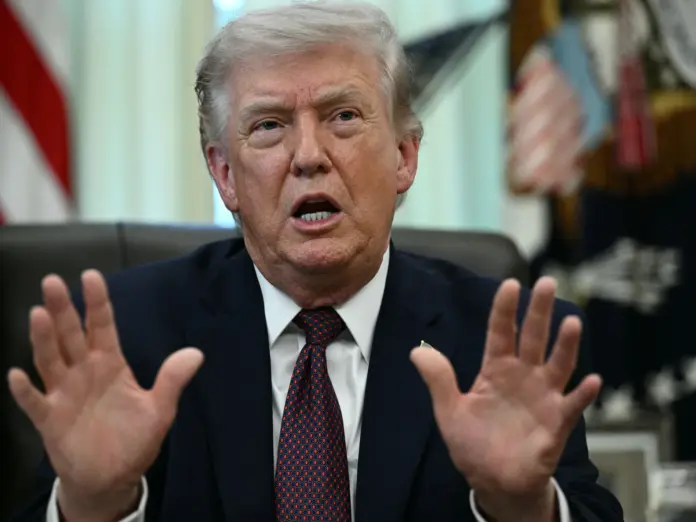
Trump posted the ceasefire claim on his Truth Social platform Wednesday, asserting that Iran’s new leader had reached out to request a halt to hostilities. Foreign Ministry spokesman Esmaeil Baghaei swiftly countered the assertion, and Iranian state television broadcast the denial the same day. Iran’s Revolutionary Guard simultaneously reinforced its grip on the Strait of Hormuz, a move analysts read as a clear signal that Tehran has no intention of yielding to American terms.
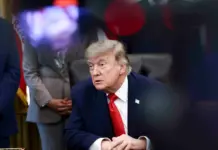
The contradiction set the stage for a high-stakes presidential address. The White House confirmed Trump would deliver a nationally televised speech at 9 p.m. Washington time — 01:00 GMT Thursday — promising ‘an important update on Iran.’ Officials familiar with the planned remarks indicated Trump was unlikely to announce an immediate end to the fighting, and would instead signal the campaign could continue for several more weeks.
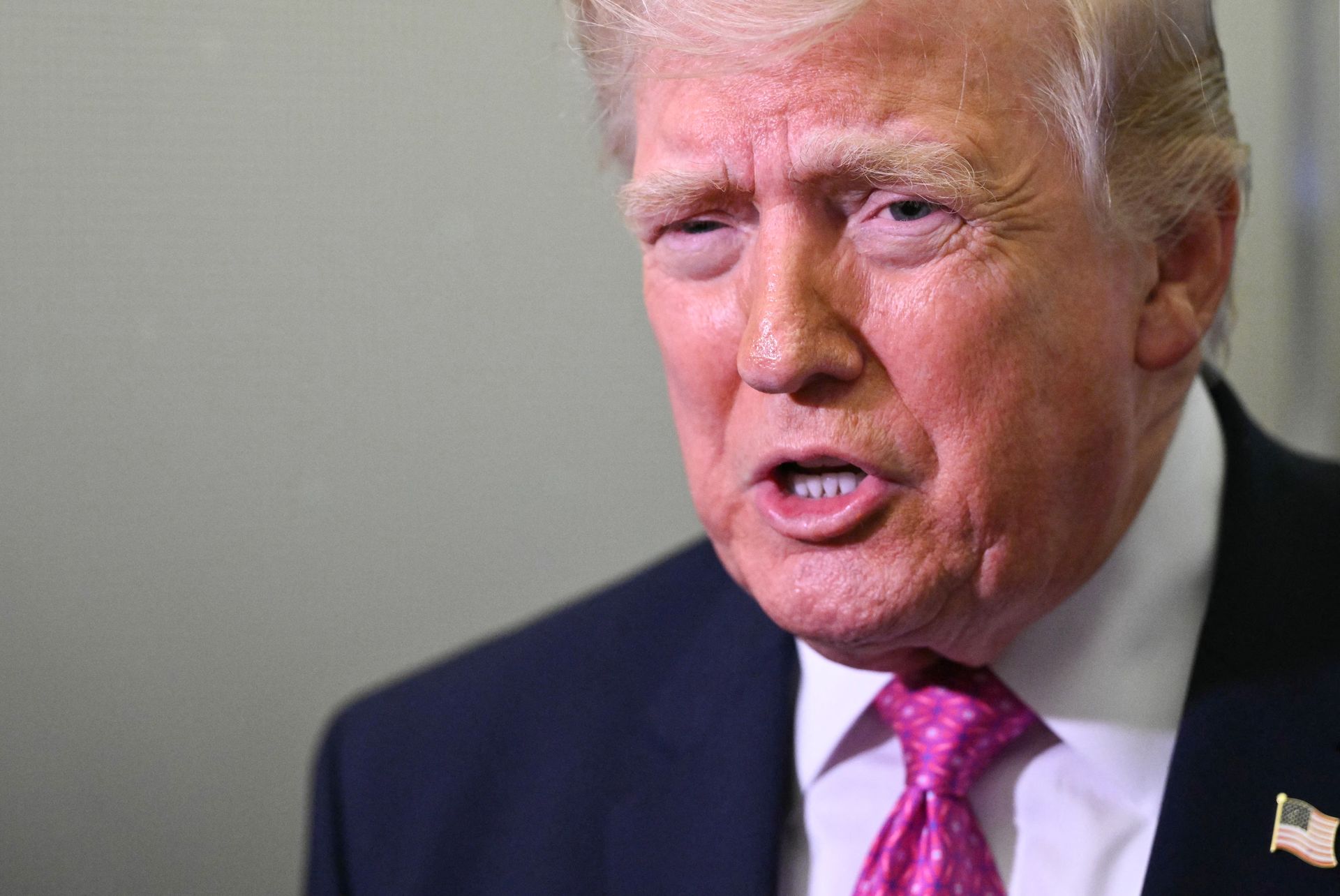
That timeline aligned with comments Trump made to reporters on Monday, when he suggested the war might conclude within ‘two weeks, maybe three,’ and predicted energy prices would ‘come tumbling down’ once the United States chose to stand down. On Wednesday, however, his tone was markedly more combative. Trump vowed the US would continue ‘blasting Iran into oblivion’ until the Strait of Hormuz is ‘open, free, and clear,’ framing any ceasefire consideration as entirely conditional on Iran’s compliance.
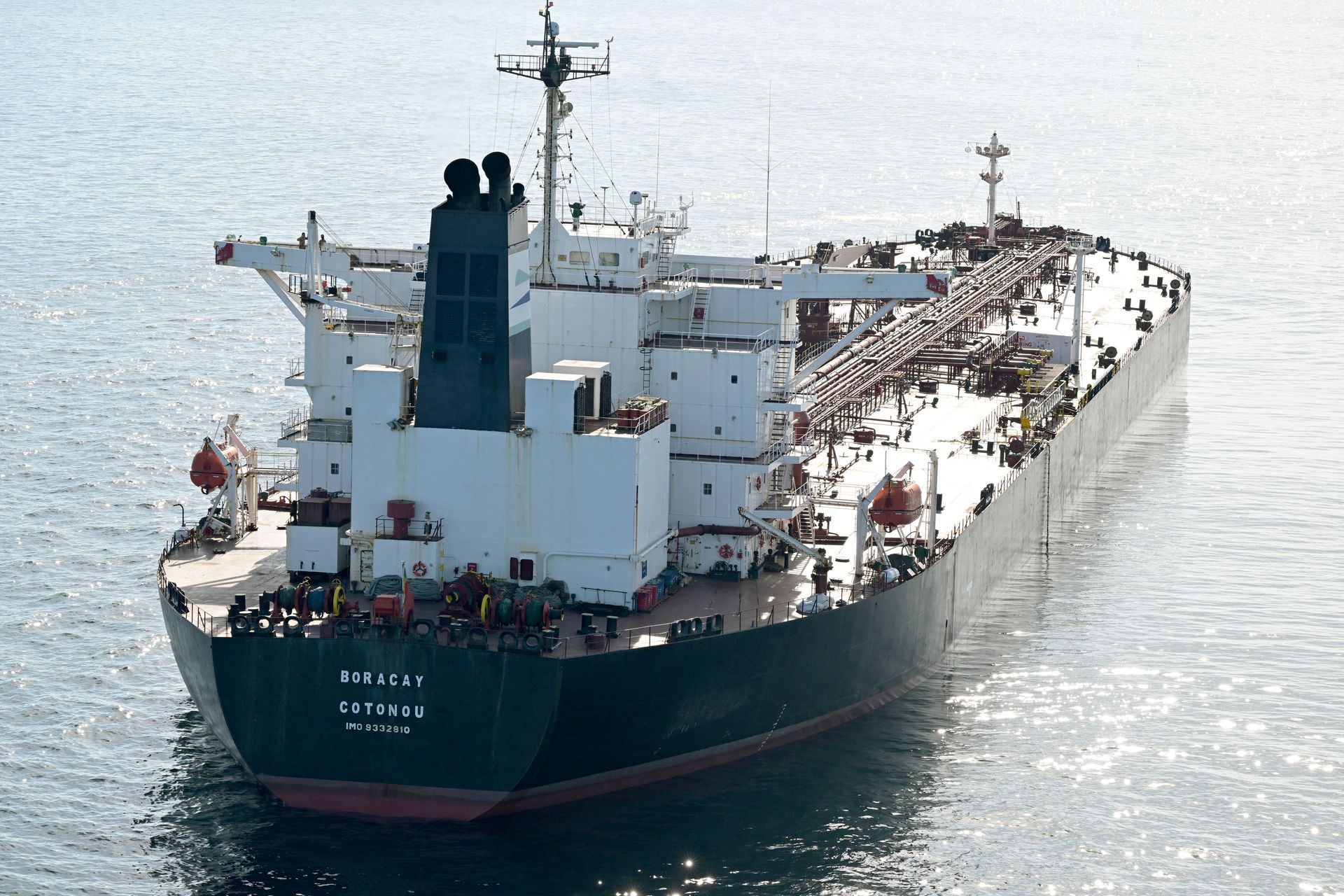
The strait’s closure has reverberated through global commodity markets. Approximately one-fifth of the world’s oil and liquefied natural gas transits the narrow waterway between Iran and Oman, and its effective shuttering since the conflict’s escalation has driven a sustained surge in energy prices worldwide. Trump’s initial ceasefire claim briefly sparked optimism in financial markets before Iran’s denial reversed those gains.
The war began on February 28, when the United States and Israel launched a joint aerial campaign that killed Iranian Supreme Leader Ali Khamenei along with other senior Iranian officials. Mojtaba Khamenei subsequently succeeded his father as Iran’s leader. Tehran retaliated with waves of drone and missile strikes against Israel and also targeted Saudi Arabia, Qatar, and the United Arab Emirates, broadening the conflict across the region.
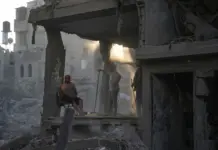
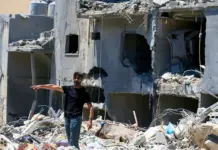
The human cost inside Iran has been severe. Mohamad Elmasry, a professor at the Doha Institute for Graduate Studies, described a campaign in which hundreds of schools and hospitals have been struck, thousands of residential homes destroyed, and 2,000-pound (900-kilogram) bombs used to level entire city blocks.
The Pentagon, meanwhile, is drawing up contingency plans for a potential ground operation, according to undisclosed US officials. The existence of such planning underscores the conflict’s potential for further escalation even as Trump publicly floats a near-term end date.
Domestically, the Trump administration faces mounting pressure. Widespread public opposition to the war has grown alongside rising fuel costs, and the conflict has deepened fractures with Washington’s European partners, who have refused to join the military campaign. Trump cited that refusal as a reason he is now considering withdrawing the United States from NATO, a threat that has alarmed alliance members and added a new dimension of geopolitical uncertainty to an already volatile situation.
With Tehran denying any ceasefire overture, the Revolutionary Guard tightening its hold on the world’s most consequential oil chokepoint, and the Pentagon preparing ground-war scenarios, the gap between Trump’s rhetoric and the battlefield reality appeared wide as the president prepared to address the nation.