Yemen’s Houthi movement has launched two successive strikes against Israel and is threatening to seal one of the world’s most critical maritime chokepoints, dramatically widening a regional conflict that has now burned for approximately one month.
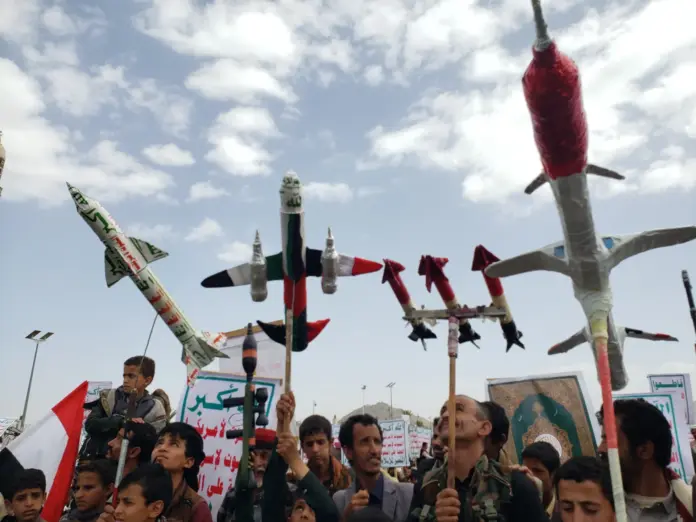
Brigadier-General Yahya Saree, the Houthis’ military spokesperson, announced the group’s first attack on Israel on Saturday, declaring it a direct response to Israeli military operations. Speaking on the group’s Al-Masirah television, Saree said the operation involved a barrage of ballistic missiles aimed at sensitive military installations in southern Israel. Air raid sirens activated across Beersheba and near key Israeli facilities, while explosions were separately reported in Tel Aviv as Iran and Hezbollah continued overnight strikes of their own.
On Sunday, Saree announced a second operation, this time deploying cruise missiles and drones. The Houthis declared they would sustain military pressure until Israel "ceases its attacks and aggression," framing their campaign as an extension of solidarity with Gaza that predates the current Iran-Israel confrontation.
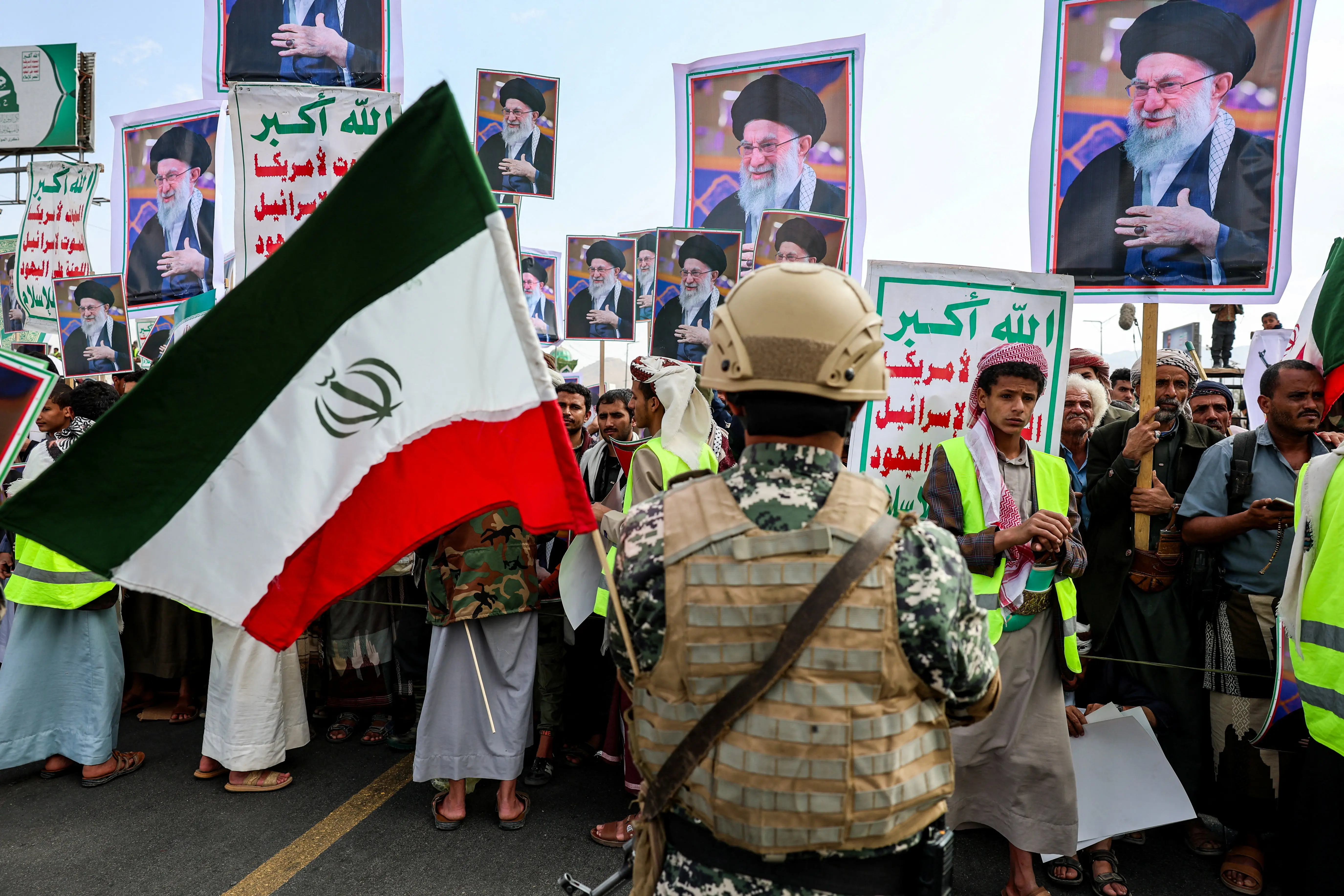
Unlike Hezbollah and Iranian-aligned armed groups in Iraq — both of which formally declared entry into the war — the Houthis have made no equivalent announcement. Analysts note that Houthi religious doctrine does not bind the group to Iran’s supreme leader in the same doctrinal manner as those factions, giving the movement a degree of operational independence even as it acts in alignment with Tehran’s broader strategic interests.
The more alarming dimension of the Houthi escalation involves the Bab al-Mandeb Strait, the narrow waterway the group effectively controls from its position on Yemen’s western coast. At its tightest point, the strait measures just 29 kilometres — roughly 18 miles — separating Yemen to the northeast from Djibouti and Eritrea to the southwest. It serves as the critical link between the Red Sea and the Gulf of Aden, funnelling traffic onward into the Indian Ocean. Crude oil and fuel from the Gulf bound for the Mediterranean transit the strait before continuing through the Suez Canal or the Sumed Pipeline. Russian oil destined for Asian markets passes through the same corridor. Approximately $1 trillion in goods move through the Red Sea route annually, representing around 10 percent of all global trade.
Mohammed Mansour, the Houthis’ deputy information minister, stated on Saturday that closing Bab al-Mandeb is "among our options." The group has not yet imposed a blockade — shipping remains open to all vessels, including those linked to the United States and Israel — but a closure is described as the anticipated next phase should Israel strike the port of Hodeidah or attack Yemeni civilian and public infrastructure.
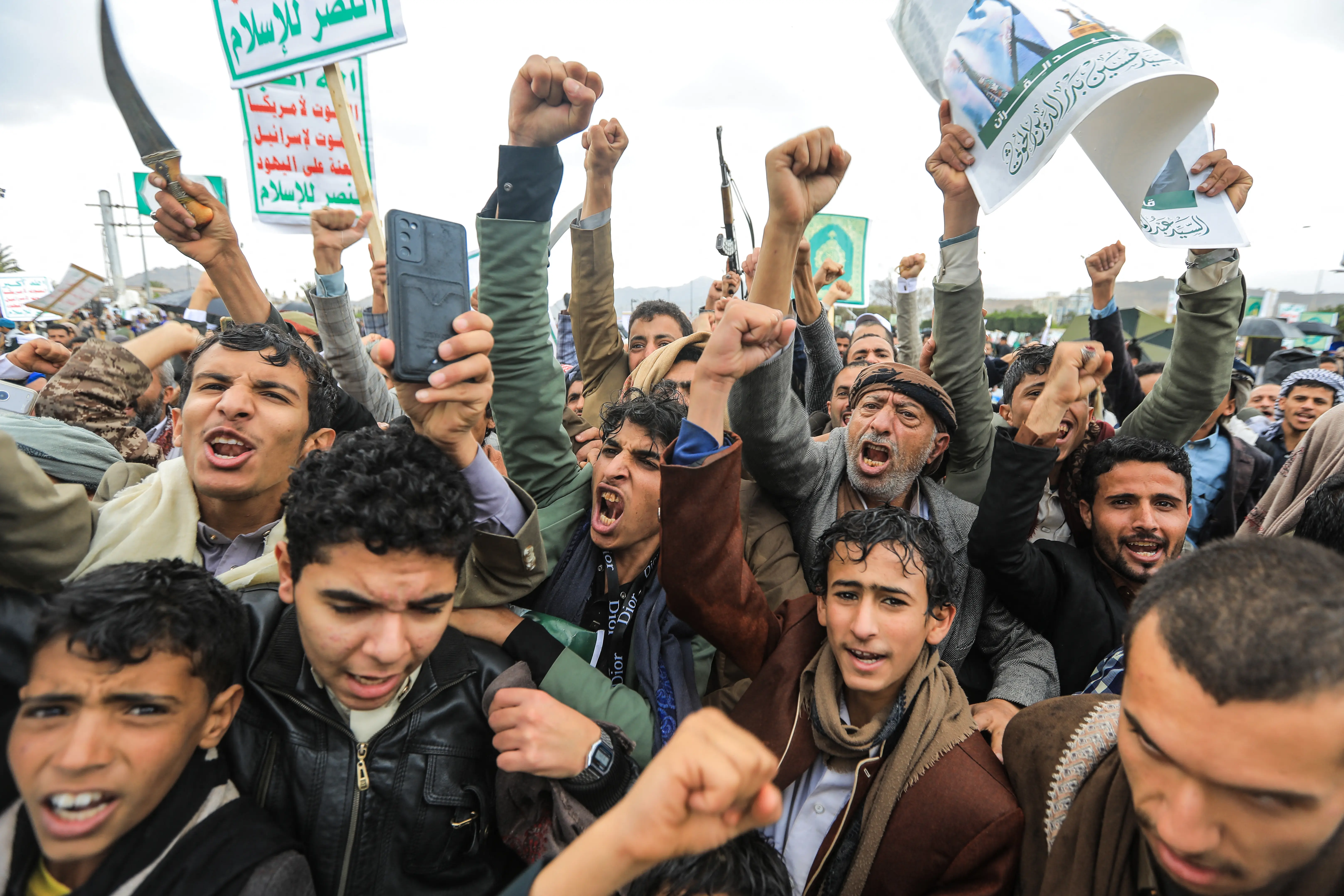
Iran has amplified the threat. An unnamed military official, cited by the IRGC-linked Tasnim News Agency on Wednesday, warned that Tehran could open a new front at Bab al-Mandeb if attacks are carried out against Iranian territory or its islands. The official described the strait as one of the world’s most strategically significant waterways and asserted that Iran possesses both the will and the capability to mount a credible threat there. Tehran separately warned it would pursue surprise actions if the enemy inflicts costs through naval movements in the Persian Gulf or the Sea of Oman.
The warnings arrive against a backdrop of severe global economic disruption. The Strait of Hormuz, through which a substantial share of the world’s oil and gas once flowed, has seen passage grind almost entirely to a halt after Iran targeted vessels transiting the waterway. The resulting energy crisis has forced multiple countries to impose fuel rationing and reduce working hours, adding significant inflationary pressure to already strained economies. A simultaneous closure of Bab al-Mandeb would compound that disruption, cutting off the alternative Red Sea corridor that Mediterranean-bound energy cargoes currently depend upon. Saudi Arabia does maintain an alternative oil export route via the Red Sea port of Yanbu, which could offer partial relief.
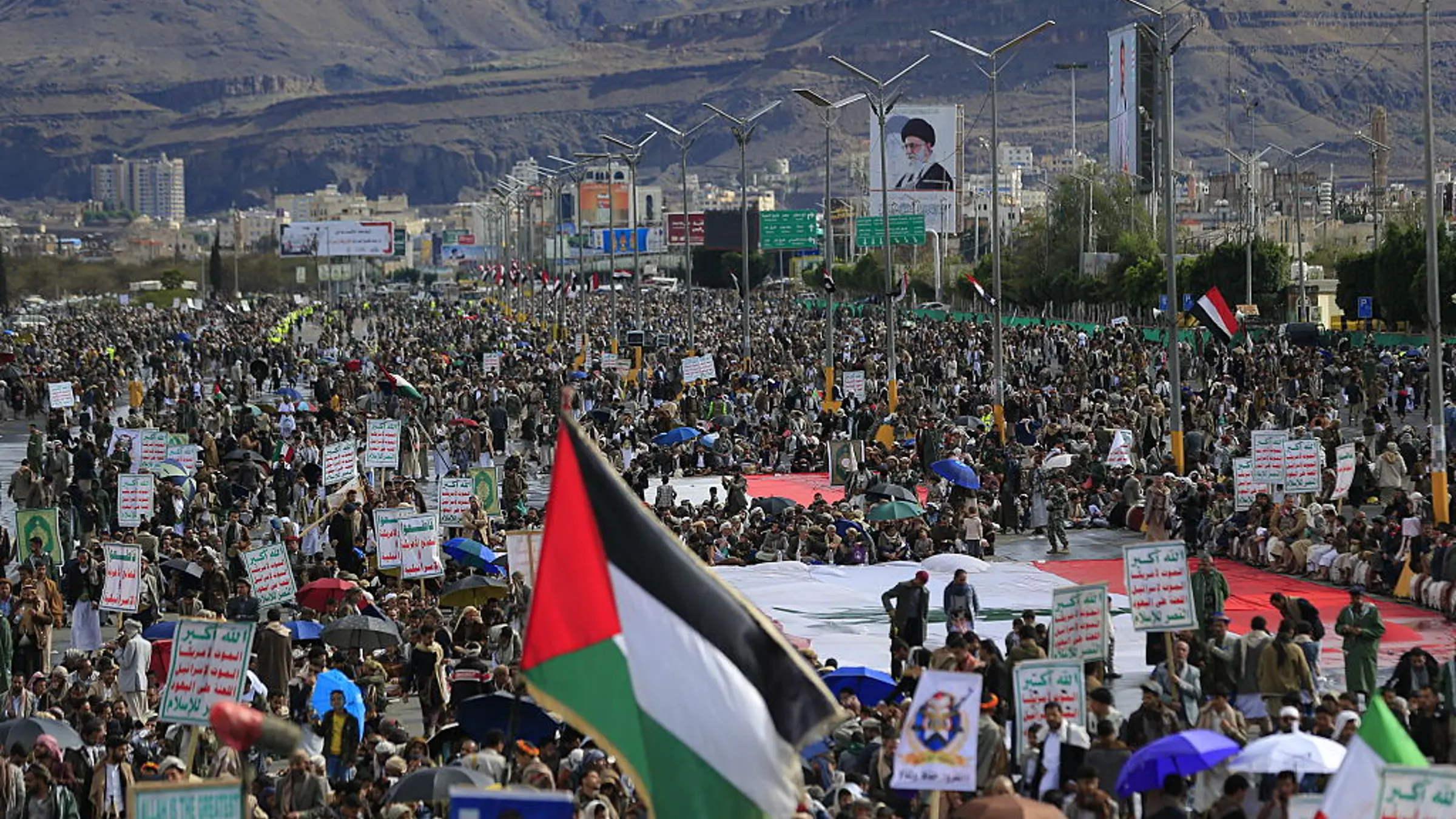
On the ground in Yemen, the Houthis appear to be preparing for potential retaliation. Beginning March 15, the group launched major troop movements across five frontlines, including western coastal positions near Hodeidah, Taiz, and Lahj. The movements are assessed as an effort to test the defences of the National Resistance Forces and the Yemeni Army, with new reinforcements being brought forward. Various Yemeni forces have raised their operational readiness in response to the rapidly shifting regional environment.
The Houthis’ re-entry into direct strikes against Israel marks a significant escalation from their 2024 campaign, during which the group targeted commercial vessels it identified as Israeli-linked or Israel-bound in protest against the war in Gaza. That campaign disrupted global shipping lanes and drew retaliatory strikes from Western naval forces. The current phase, embedded within a broader Iran-Israel confrontation that has seen Israeli forces strike nuclear-linked facilities including sites associated with uranium processing and heavy water production, raises the stakes considerably higher — both militarily and economically.