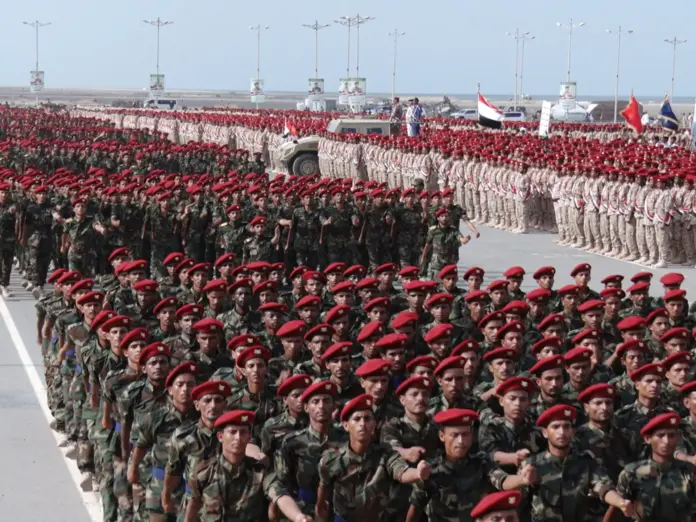
Sanaa/Jerusalem — Yemen’s Houthi rebels launched a barrage of ballistic missiles at southern Israel on Saturday morning, resuming their offensive campaign against Israeli territory for the first time since the US-Israeli war with Iran erupted approximately one month ago. The Israeli military intercepted at least one missile, and no casualties or damage were reported.
Air raid sirens wailed across Beersheba and surrounding areas — including near Israel’s main nuclear research centre — for the third time overnight as the attack unfolded. The Israel Defense Forces confirmed it had identified the launch of a missile from Yemeni territory and that aerial defence systems engaged the threat successfully.
Brigadier-General Yahya Saree, the Houthis’ military spokesman, announced the strike in a video statement posted on the rebel movement’s Al Masirah satellite television channel and on X, declaring that the group had targeted ‘sensitive Israeli military sites’ with a ‘barrage of ballistic missiles.’ Saree warned that strikes would continue until the movement’s declared objectives were achieved and what he described as aggression against resistance fronts had ceased.
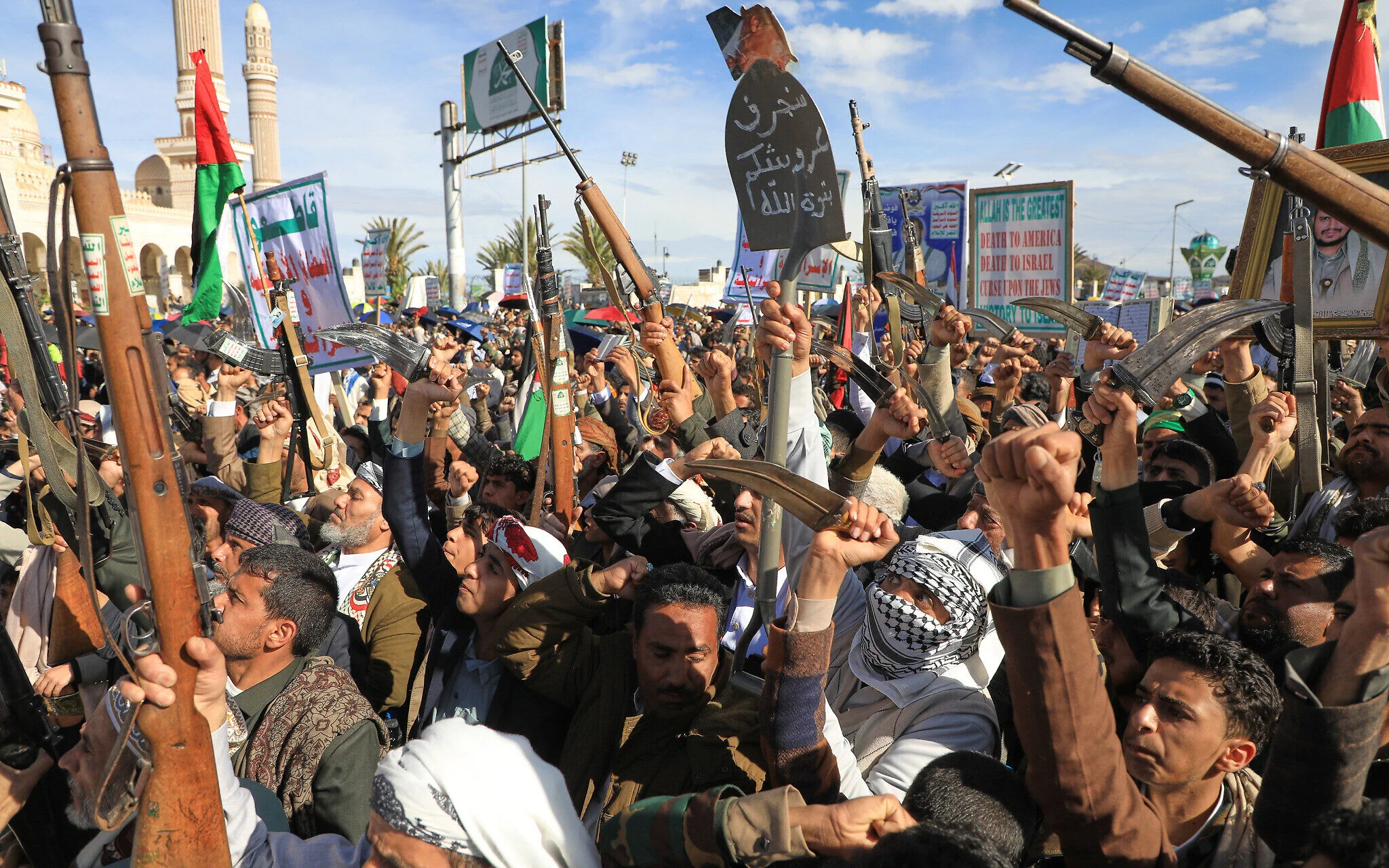
The attack represents a significant escalation in the regional picture. Throughout the Gaza war, the Houthis had targeted Israel repeatedly with drones and missiles, framing their campaign as solidarity with Palestinians. They had also waged a sustained assault on commercial shipping in the Red Sea and Gulf of Aden between November 2023 and January 2025, striking more than 100 merchant vessels, sinking two ships, and killing four sailors. Saturday’s strike, however, is their first ballistic missile launch at Israel since the wider conflict with Iran began.
The timing carries strategic weight. With Iran having effectively closed the Strait of Hormuz during the ongoing US-Israeli military campaign, the Red Sea has grown dramatically in importance as an alternative corridor for regional energy and trade flows. Saudi Arabia has diverted a significant share of its oil exports to the port of Yanbu in response to the Hormuz closure, placing renewed pressure on the southern maritime route.
The Houthis, who have controlled most of northern Yemen including the capital Sanaa since 2014, have made clear they view the Red Sea as a potential lever of pressure. Mohammed Mansour, the group’s deputy information minister, stated that closing the Bab al-Mandeb strait — the narrow chokepoint at the southern entrance to the Red Sea — remains among the Houthis’ available options. Roughly 30 percent of Israel’s imports transit that waterway, and approximately $1 trillion worth of goods passes through the Red Sea annually, underscoring the potential economic consequences of any sustained Houthi interdiction campaign.
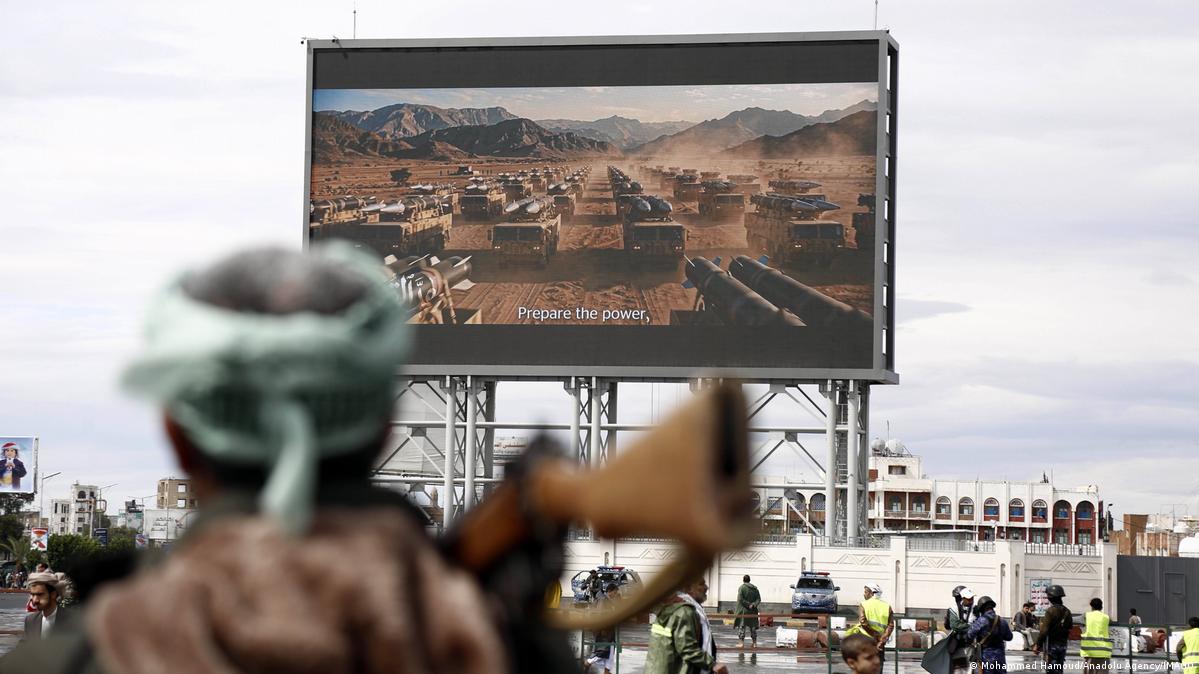
The Houthis had previously warned they would enter the broader regional war if their ally Tehran continued to face attack, if additional countries joined the US-Israeli coalition, or if the Red Sea was used for hostile military operations against them. Saturday’s missile launch suggests those thresholds may now have been crossed in the group’s calculus.
The United States has maintained a significant naval presence in the region throughout the conflict. The USS Harry S Truman was involved in the 2025 American campaign against the Houthis, while the USS Dwight D Eisenhower endured a high operational tempo during 2024 strikes. The USS Gerald R Ford carrier group put into port in Crete on Monday for repairs, reflecting the sustained strain on American naval assets in the theatre.
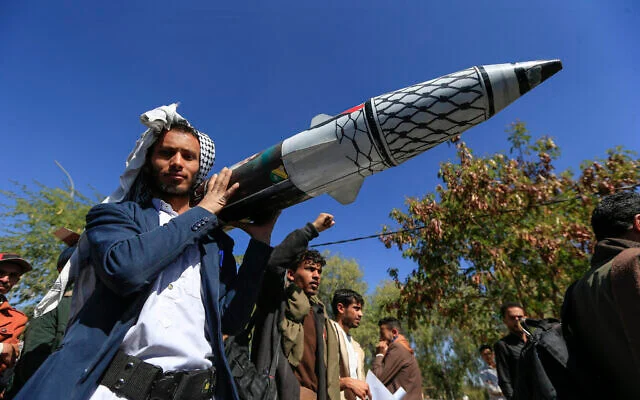
Saturday’s events were not confined to the missile strike from Yemen. Nine Israeli soldiers were wounded in two separate rocket attacks launched from southern Lebanon, adding to the multi-front pressure facing Israeli forces. The attacks from Lebanon underline the continued activity of armed groups aligned with Iran across the region, even as the primary focus of the US-Israeli campaign has been directed at Tehran.
The Houthis have notably refrained from resuming their Red Sea shipping attacks since the latest war began, a restraint that analysts have watched closely. Whether Saturday’s ballistic missile launch presages a return to that broader campaign — or an intensification of direct strikes on Israeli territory — remains to be seen. What is clear is that the group, emboldened by its survival through previous American and Israeli strikes, is signalling it intends to remain an active participant in the regional conflict on its own terms.