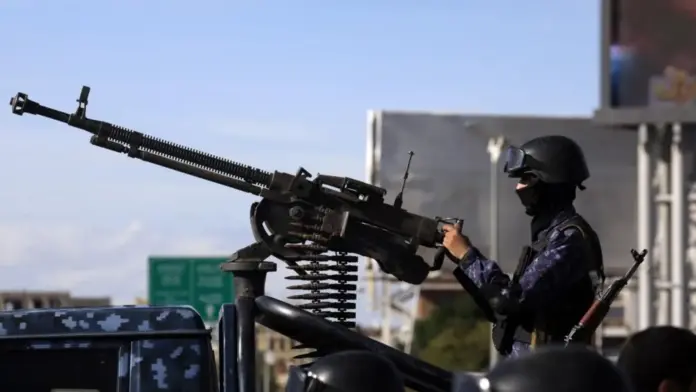
Yemen’s Houthi movement launched a salvo of ballistic missiles at southern Israel on Saturday morning, the group’s first strike since the United States and Israel carried out joint air strikes against Iran on 28 February. Sirens wailed across Beersheba and surrounding communities as the Israeli Defence Forces confirmed the successful interception of one ballistic missile fired from Yemen, with no injuries reported.
The attack did not end there. Several hours later, Israeli air defences shot down a cruise missile over the Red Sea before it could threaten populated areas, and by evening a drone suspected to have originated in Yemen was intercepted over Eilat. The Houthis claimed responsibility for the full sequence of strikes, asserting they had targeted ‘sensitive Israeli military sites’ with what they described as a ‘barrage of ballistic missiles.’
Houthi military spokesman Yahya Saree delivered a stark warning in a televised address late Friday, declaring that the group’s ‘fingers are on the trigger for direct military intervention.’ Saree said the Houthis would act if other nations joined the US-Israeli campaign against Iran, if the Red Sea were used to launch attacks on the Islamic Republic, or if what he characterised as ‘the blockade on Yemen’ were tightened further. He called for an immediate halt to strikes on Iran and allied territories, including Palestinian lands, Lebanon and Iraq, and vowed that Houthi attacks on Israel would continue ‘until the aggression against all resistance fronts ceases.’
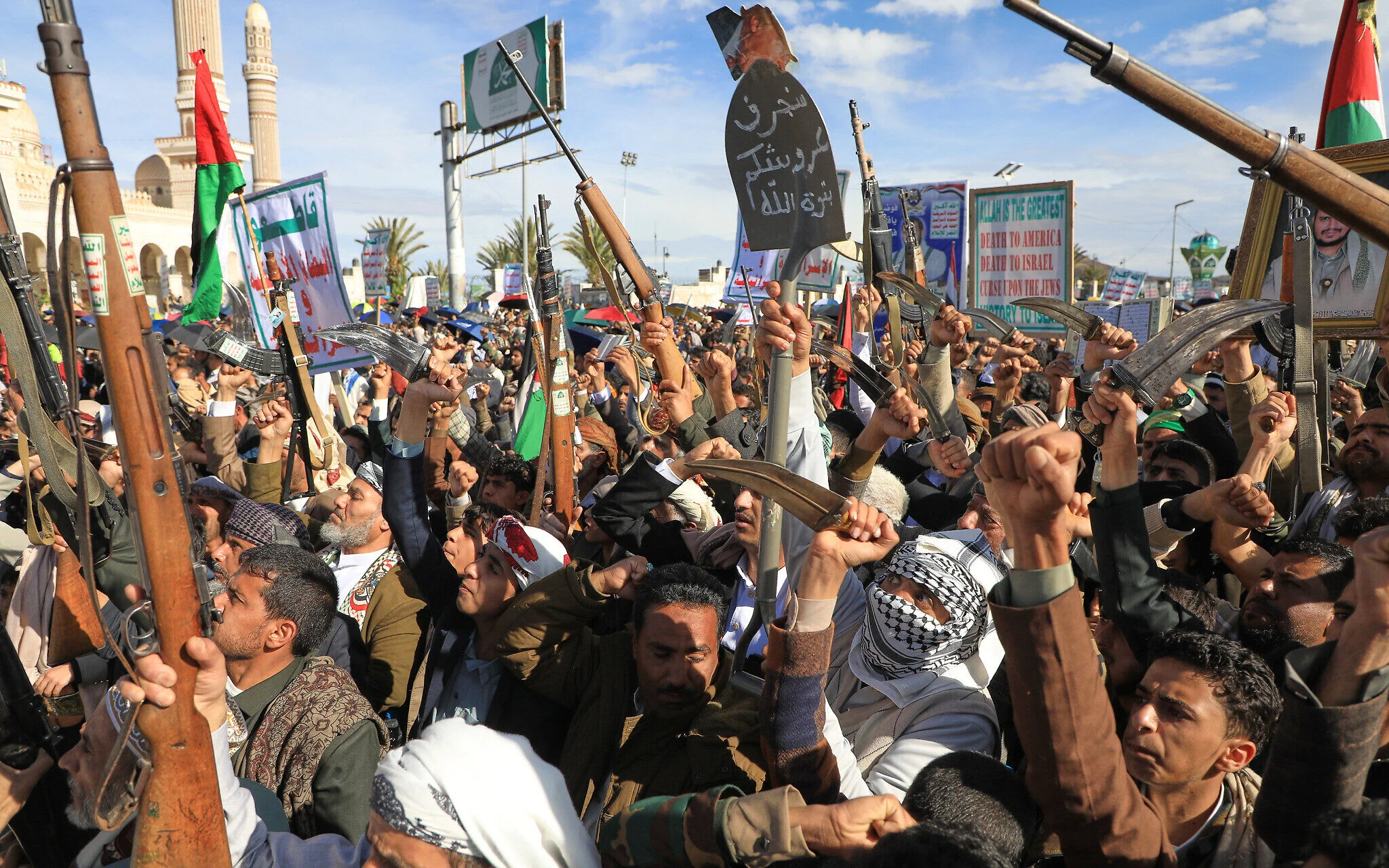
The Houthis had held their fire for the first four weeks of the US-Israel conflict with Iran despite their deep ideological and material ties to Tehran. The group considers itself a pillar of the so-called ‘axis of resistance’ alongside Hezbollah in Lebanon and Hamas in the Gaza Strip. Saturday’s strikes signal a deliberate decision to re-enter the fray, though analysts note the missile threat the Houthis pose to Israel remains far less severe than that of Iran itself. Previous Houthi missile salvoes toward Israel, launched repeatedly in solidarity with Hamas following the 7 October 2023 attacks, caused little meaningful damage.
The broader regional picture is volatile. US President Donald Trump has postponed a threatened strike on Iran’s power plants, making the delay conditional on Tehran reopening the Strait of Hormuz by 6 April. Iran has come close to shutting the waterway entirely — a move with profound global consequences, given that roughly 20% of the world’s oil and liquefied natural gas transits the strait. Iran’s effective closure has already forced Saudi Arabia to divert oil exports through a pipeline to its Red Sea coast.
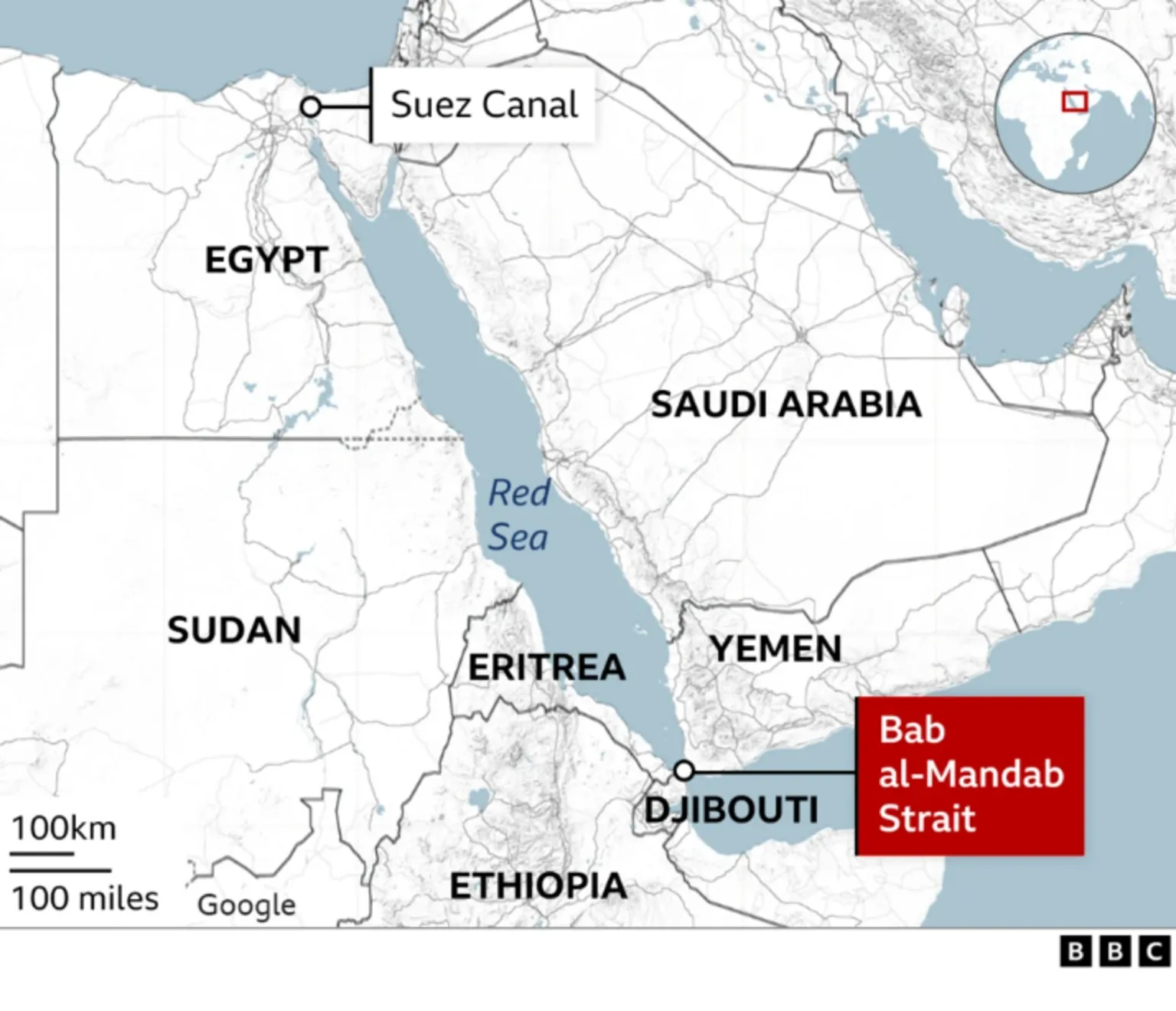
The Houthis control Yemen’s Red Sea coastline and the strategically vital Bab al-Mandab Strait, the narrow passage between Yemen and the Horn of Africa through which vessels must pass to reach the Red Sea and ultimately the Suez Canal from the Indian Ocean. From November 2023 to early 2025, the group launched nearly 200 attacks on commercial shipping in the Red Sea, damaging more than 30 vessels and executing at least one hijacking. The campaign forced major shipping companies to abandon the route entirely, rerouting cargo around southern Africa at considerable cost. Nearly 15% of global seaborne trade ordinarily passes through the Red Sea.
The United States and United Kingdom responded to the maritime assault with air strikes on Houthi targets in Yemen in January 2024 and again in March 2025. The US and Israel have also conducted intensive strikes aimed at degrading Houthi leadership and military capacity. Washington has designated the Houthis a terrorist organisation.
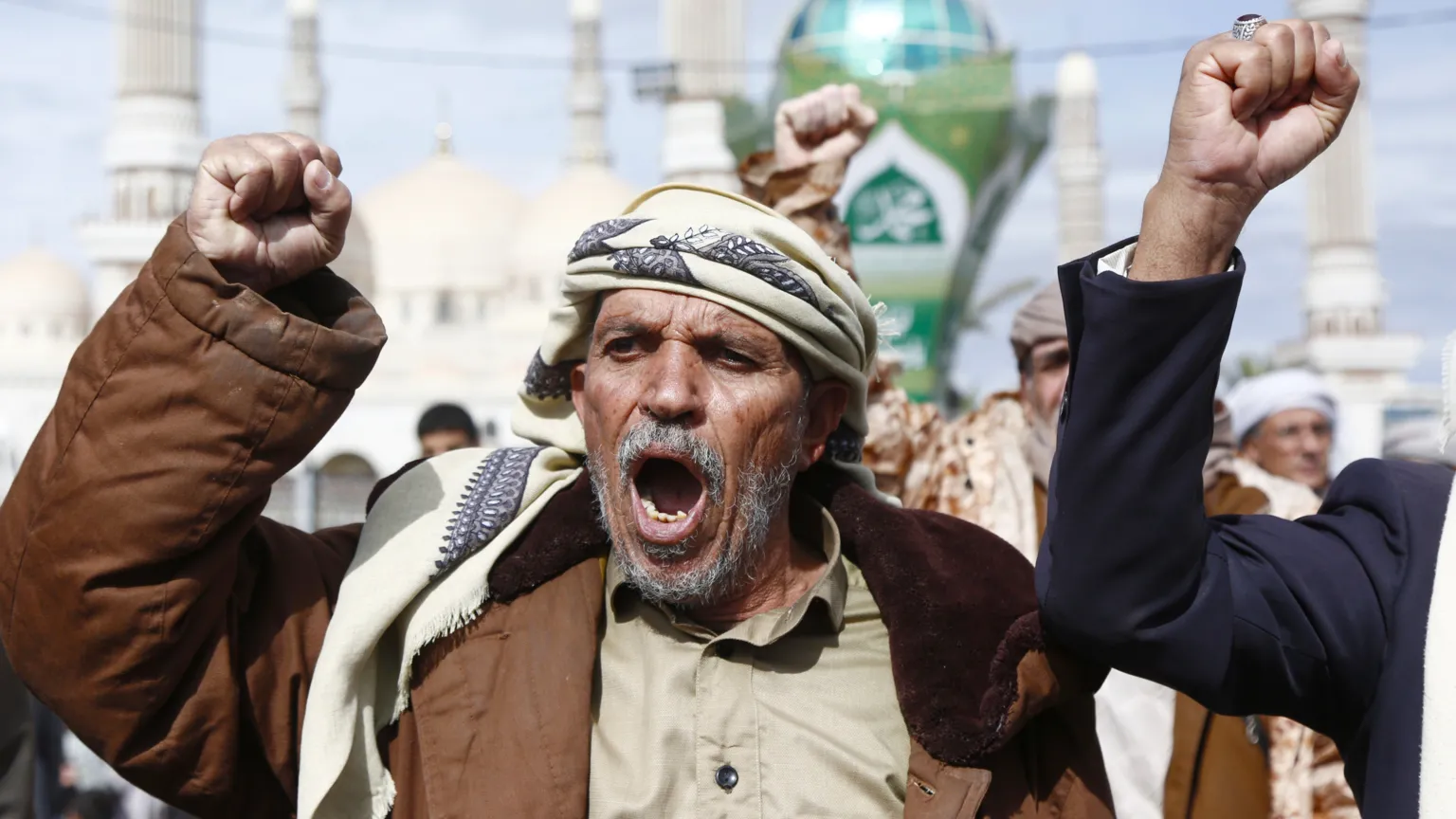
The Houthis’ roots in Yemen’s long-running civil war stretch back more than a decade. The conflict began 12 years ago when the movement seized control of the country’s north-west, including the capital Sanaa. A Saudi-led coalition, backed by the United States, intervened to restore the internationally recognised government, but the Houthis have retained their grip on Sanaa and large swaths of northern Yemen. The group previously targeted energy and military infrastructure in both Saudi Arabia and the United Arab Emirates, and earned a measure of domestic and regional support for its attacks in solidarity with Palestinians.
After years of turbulence, Yemen had experienced a period of relative calm. Renewed and deepening Houthi involvement in the widening conflict between the US, Israel and Iran now raises the prospect of reigniting the country’s internal war — adding yet another front to a regional crisis that shows no sign of abating.