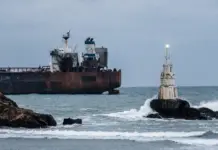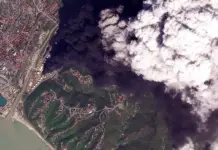
The standoff between the United States and Iran over the Strait of Hormuz has escalated into a crisis with global economic consequences, prompting UN Secretary-General António Guterres to warn that the blockage risks triggering a worldwide food emergency. Thousands of cargo ships and roughly 20,000 maritime workers remain stranded in the critical waterway, through which approximately 20 percent of the world’s oil and natural gas flows.
Oil markets have responded sharply. Brent crude futures for June delivery rose 45 cents — a 0.4 percent gain — to $108.68 per barrel, while US West Texas Intermediate (WTI) climbed 58 cents, or 0.6 percent, to $96.96. The price surge is compounding hardship for fuel-dependent economies worldwide, prompting Bahrain to convene an emergency UN Security Council meeting backed by dozens of nations suffering from elevated fuel costs. A broad coalition of countries has issued a joint call for the "urgent and unimpeded reopening" of the strait — though previous Security Council resolutions on the matter have been blocked by China and Russia.
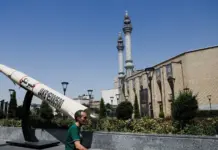
Diplomatic activity is intensifying behind the scenes. Iranian Foreign Minister Abbas Araghchi has conducted a regional tour spanning Pakistan, Oman, and Russia, meeting President Vladimir Putin in St Petersburg as part of broader consultations aimed at finding an exit from the crisis. Tehran has transmitted a new peace proposal to Washington through Pakistan as mediator, outlining conditions under which Iran would end hostilities and reopen the strait. Critically, the proposal would defer any discussion of Iran’s nuclear programme until after the conflict concludes and the Hormuz deadlock is resolved.
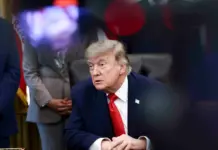
President Donald Trump‘s national security team convened Monday morning to review the Iranian proposal. The White House confirmed the meeting took place, though no formal response has been issued. Iran, for its part, has signalled it is considering a US request to restart direct negotiations — a notable shift in tone from recent weeks. Trump has maintained an uncompromising position on one core issue, repeatedly insisting that Iran "cannot have a nuclear weapon."
Military tensions remain high even as diplomats manoeuvre. On Sunday, the guided-missile destroyer USS Rafael Peralta (DDG 115) intercepted and stopped the Iranian-flagged crude oil tanker M/T Stream after it attempted to sail to an Iranian port. The vessel had last been tracked in the Malacca Strait in Southeast Asia 13 days prior. The seizure follows the earlier capture of the tankers Majestic X and Tifani, actions Iran’s Foreign Ministry condemned as "piracy and armed robbery on the high seas." US Central Command (CENTCOM) has not publicly commented on the legal basis for the interdictions.
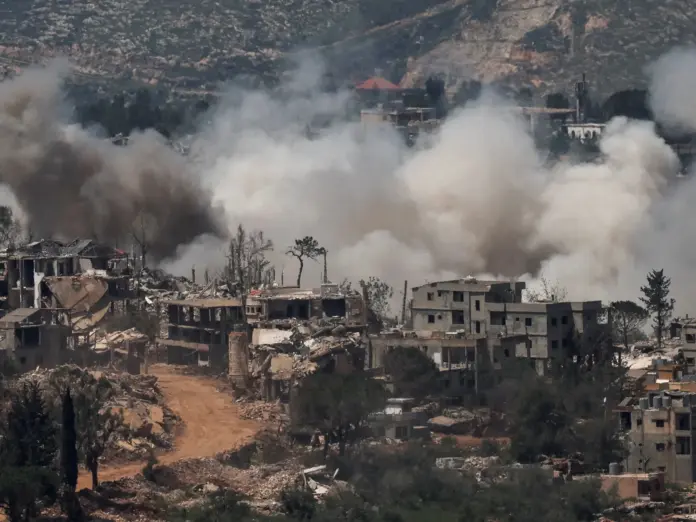
The crisis is reverberating across the broader Middle East. In Lebanon, at least 40 people have been killed in Israeli attacks since an April 17 ceasefire was declared, with four additional deaths reported in the most recent hours of fighting. Hezbollah leader Naim Qassem has ruled out direct negotiations with Israel, declaring the group will never surrender its weapons — a statement that dims prospects for a durable halt to hostilities.
The convergence of a maritime blockade, surging energy prices, and active military confrontations across the region has alarmed international institutions and governments alike. Guterres’ warning about a food emergency underscores the cascading nature of the crisis: disrupted shipping lanes do not merely delay oil deliveries but also impede the movement of grain, fertiliser, and other agricultural commodities on which food-insecure nations depend.
The coming days are likely to prove decisive. Washington’s response to Tehran’s proposal — and whether the two sides can agree on a framework that addresses US concerns over Iran’s nuclear ambitions without requiring Tehran to abandon that issue as a precondition — will determine whether the Strait of Hormuz reopens or the standoff deepens into a prolonged global economic emergency.