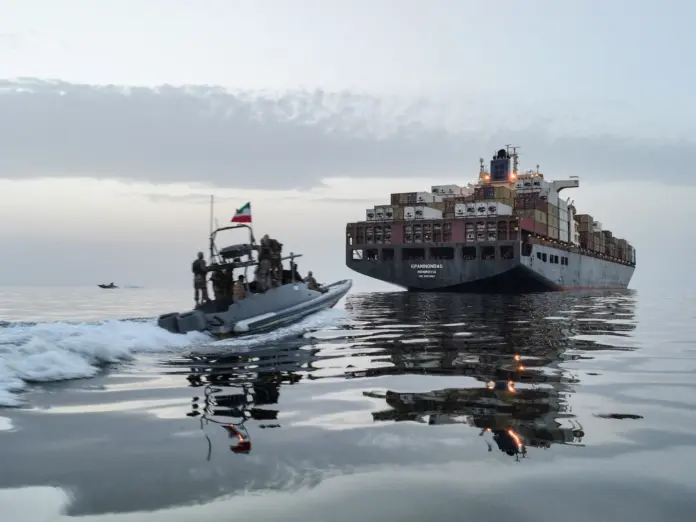
The global energy system is facing an unprecedented shock as the Strait of Hormuz — the narrow chokepoint through which 20 percent of the world’s oil and liquefied natural gas flows during peacetime — remains effectively closed, with the International Energy Agency declaring the resulting supply disruption the largest in the history of the global oil market.
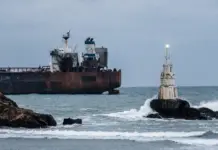
Roughly 2,000 ships are stranded in the Gulf, unable to transit the waterway shared between the territorial waters of Iran and Oman. Iran closed the strait to all foreign-flagged vessels, demanding the United States lift a naval blockade imposed by President Donald Trump following the collapse of diplomatic talks in Islamabad, Pakistan, on April 11.
The blockade came two days after those negotiations failed. Trump simultaneously ordered the US military to ‘shoot and kill any boat’ caught laying mines in Hormuz waters and directed mine-sweeping activities to continue at a ‘tripled up level.’ Two US Navy guided-missile destroyers, the USS Frank E Peterson and the USS Michael Murphy, began mine-clearing operations on April 11.
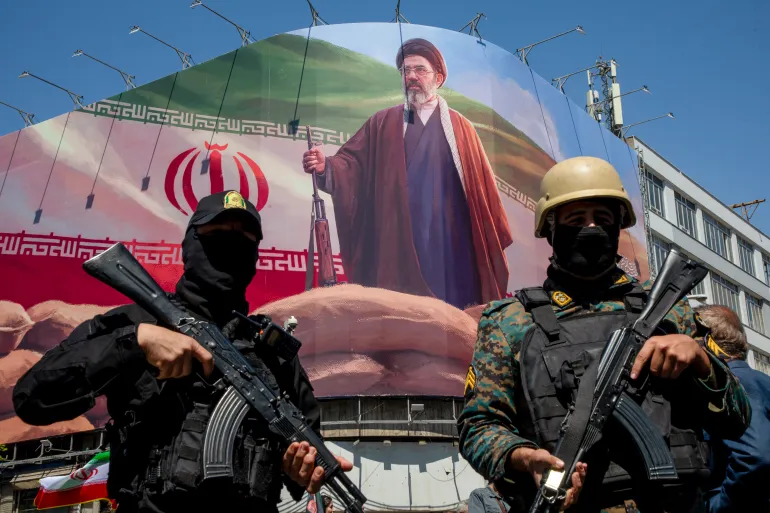
The urgency is considerable. Pentagon officials told the US House Armed Services Committee on April 21 that fully clearing the strait of mines could take as long as six months — and that substantive operations are unlikely to proceed until active hostilities end. Iran published a map earlier this month identifying sections of the strait it claims to have mined, a disclosure that has done little to reassure the shipping industry.
The crisis is the product of nine weeks of US-Israel military action against Iran. Supreme Leader Ayatollah Ali Khamenei was killed in strikes on Tehran on February 28, with his son, Mojtaba Khamenei, assuming leadership of the country in the aftermath. The new leadership in Tehran has shown no sign of backing down on the strait closure, maintaining the blockade as its primary leverage against the US naval cordon.
Prior to the conflict’s escalation, Iran had permitted vessels flagged by India, Pakistan, Turkey, and China to transit the waterway. That selective access has now been revoked entirely. The Indian-flagged oil tanker Sanmar Herald was fired upon by Iranian military boats on April 18, underscoring the danger facing any vessel attempting passage.
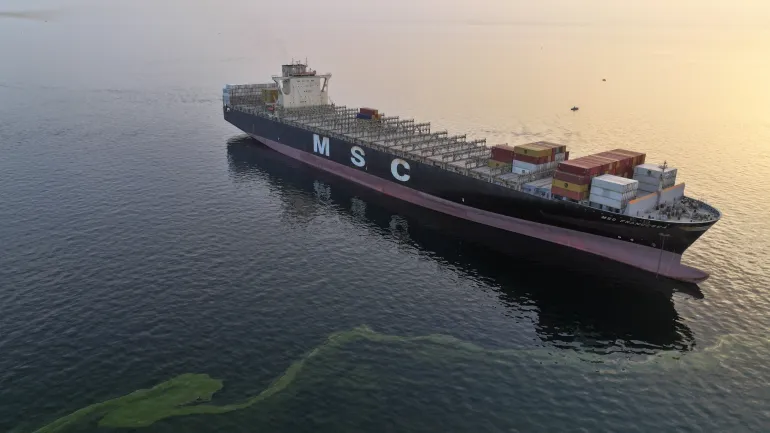
The financial consequences for the shipping industry have been severe. Maritime insurers cancelled war-risk coverage for tankers transiting Hormuz in March. For those policies that remain available, premiums have surged from approximately 0.25 percent of hull value before the war to between 1 percent and 5 percent — with some quotes exceeding even that upper bound. For a vessel with a hull value of $100 million, the cost of a single transit has risen from roughly $250,000 to as much as $5 million.
BIMCO, the largest international association representing shipowners, has been closely monitoring the situation as operators weigh the financial and physical risks of any attempt to move cargo through the region. The combination of active mining, naval confrontation, and the collapse of war-risk coverage has effectively frozen commercial traffic.
The broader economic implications are still unfolding. The strait’s closure has severed a critical artery for global energy supply chains, with knock-on effects for oil-importing nations across Asia and Europe. The IEA’s characterisation of the disruption as historically unprecedented reflects the scale of the problem: no previous conflict, embargo, or infrastructure failure has removed this volume of supply from global markets simultaneously.
Diplomatic efforts to resolve the standoff have so far produced no results. The April 11 Islamabad talks between US and Iranian representatives ended without agreement, and Trump’s subsequent escalation — the formal blockade declaration — has narrowed the space for negotiation further. With mine-clearing operations contingent on a ceasefire that shows no sign of materialising, and with 2,000 vessels accumulating in Gulf anchorages, the pressure on all parties is intensifying by the day.