The Persian Gulf plunged into open conflict as an American ultimatum to Iran expired at midnight GMT on Wednesday, triggering a cascade of missile strikes, drone attacks, and retaliatory threats that stretched from Baghdad to Bahrain and shook global energy markets.
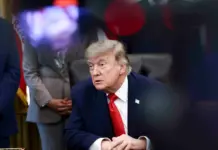
Donald Trump had issued an ultimatum demanding Iran comply with conditions regarding the Strait of Hormuz, warning he would destroy ‘a whole civilisation’ if Tehran refused — including every bridge and power plant on Iranian soil. When the 00:00 GMT deadline passed, the consequences were immediate and widespread.
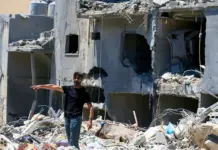
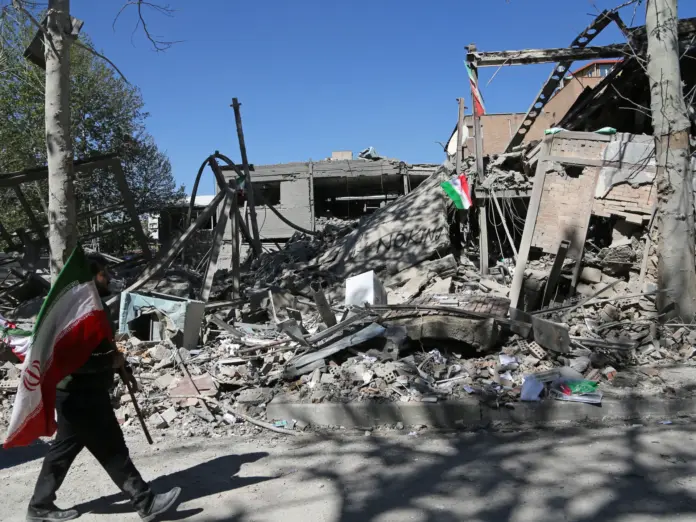
US forces struck military targets on Kharg Island, home to Iran’s principal oil export terminal, in what represented a direct blow to the country’s economic lifeline. Separately, strikes hit railway and road bridges, an airport, and a petrochemical plant across Iranian territory. Iran’s First Vice President Mohammad Reza Aref said the country was prepared for all possibilities, while a senior Iranian military source warned that energy facilities in Saudi Arabia and the United Arab Emirates would be added to Tehran’s target list if Iranian infrastructure continued to be attacked.
The threat was not idle. The UAE’s Ministry of Defence confirmed its air defences were actively engaged against Iranian missile and drone attacks. Qatar’s Ministry of Defence reported intercepting a missile strike on its territory. Explosions were heard across the Iraqi capital, Baghdad, and rockets were fired toward a US diplomatic facility near Baghdad’s international airport. Blasts were also reported over Bahrain.
The civilian fallout was swift. APM Terminals Bahrain announced a temporary suspension of port operations beginning in the early hours of April 8. The US State Department issued a shelter-in-place order for all American citizens in Bahrain, with no end date specified. Washington also advised US citizens to reconsider travel plans for the Hajj pilgrimage and warned against travel to Riyadh. Kuwait’s Ministry of Interior imposed a precautionary overnight curfew, asking residents to remain indoors between midnight and 6am.
The King Fahd Causeway, the critical land link between Saudi Arabia and Bahrain, closed to traffic at least twice on Tuesday following security alerts — a sign of how rapidly the crisis was disrupting everyday movement across the Gulf. Israel warned its citizens to exercise heightened caution, anticipating a surge in attacks as the deadline approached. Israeli authorities identified the Karish and Tanin natural gas fields in the Eastern Mediterranean as potential targets.
Iran has conducted intermittent strikes against US bases and infrastructure across the region since the conflict began last month, but the scale and geographic spread of Tuesday’s attacks marked a significant escalation. The blockade of Gulf oil shipments through the Strait of Hormuz — one of the world’s most critical maritime chokepoints — has already sent shockwaves through the global economy, with energy prices and shipping costs spiking sharply.
Amid the chaos, diplomatic channels produced a fragile breakthrough. The United States and Iran agreed to a provisional ceasefire, with Trump consenting to a two-week pause contingent on the reopening of the Strait of Hormuz. The agreement offered a narrow path away from full-scale war, though the terms remained contested. Israeli Prime Minister Benjamin Netanyahu asserted that Lebanon was not covered by the ceasefire arrangement — a position that contradicted Pakistan’s stated understanding of the deal’s scope, highlighting the fragility and ambiguity of the accord.
The speed with which the crisis engulfed multiple nations underscored how deeply interconnected the Gulf’s security architecture has become. From Kuwaiti curfews to Qatari missile intercepts, from shuttered port terminals in Bahrain to rocket fire over Baghdad, the conflict demonstrated that any direct confrontation between Washington and Tehran carries consequences far beyond their borders.
Whether the provisional ceasefire holds will depend in large part on whether the Strait of Hormuz — through which roughly a fifth of the world’s oil supply passes — is genuinely reopened, and whether both sides can resist the pressure from hardliners to resume hostilities. For now, the Gulf holds its breath.