Eu Sanctions Israeli Settlers — The European Union has broken a prolonged diplomatic deadlock, agreeing to impose sanctions on Israeli settlers in the occupied West Bank and prominent figures within Hamas, following Hungary’s decision to abandon its veto of the measures.
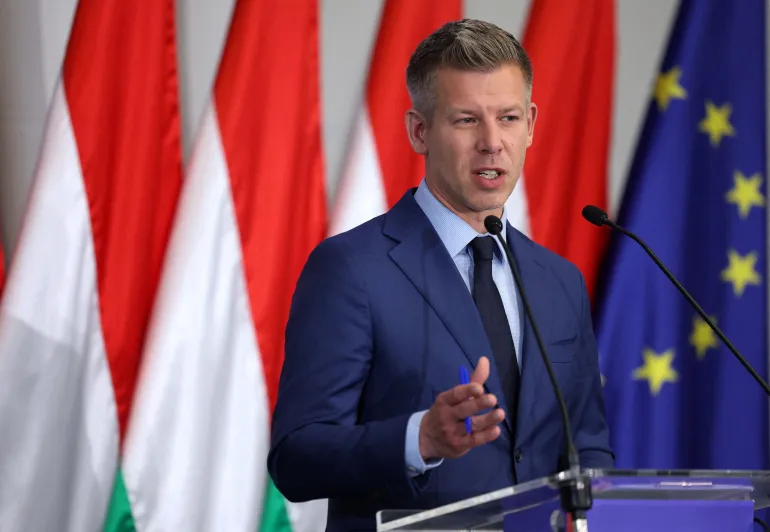
EU member states’ foreign ministers reached the agreement on Monday, clearing a path that had been blocked for months by Budapest under former Prime Minister Viktor Orban. The political logjam dissolved after Peter Magyar was appointed Hungary’s new Prime Minister on Saturday, with his government swiftly withdrawing the objection that had stalled the package.
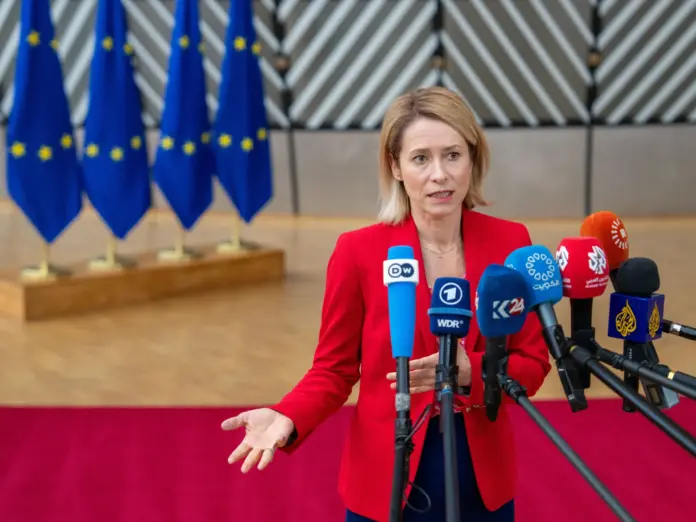
The sanctions target three Israeli settlers and four settler organisations operating in the West Bank, though the identities of those named have not yet been publicly disclosed. Senior Hamas officials are also included in the measures. Kaja Kallas, the EU’s foreign policy chief, oversaw the agreement, while French Foreign Minister Jean-Noël Barrot was among the senior figures present at the ministerial gathering in Brussels.
Recommended Reading
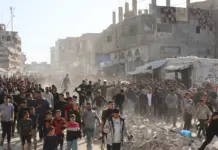
The move reflects mounting European frustration over escalating settler violence and land seizures in the West Bank. More than 500,000 Israelis — excluding those in East Jerusalem — now live in settlements across the territory, where approximately three million Palestinians also reside. Settlement expansion in 2025 has reached its highest level since the United Nations began tracking such data in 2017. Since Israel launched its military campaign in Gaza, the West Bank has been gripped by near-daily violence involving both Israeli troops and settlers, with the UN documenting more than 1,000 Palestinian deaths in the territory during that period.
The sanctions come nearly 16 months after Hamas‘s armed wing led the October 7, 2023 attack on southern Israel, in which approximately 1,200 people were killed and around 240 taken captive — the deadliest assault on Israeli soil in the country’s history. Israel’s subsequent military offensive in Gaza has drawn intense international scrutiny and deepening criticism of its conduct in the West Bank.
Israel’s response to the EU decision was swift and sharp. Foreign Minister Gideon Saar and National Security Minister Itamar Ben Gvir are expected to push back against what Jerusalem views as disproportionate pressure on a democratic ally. Senior Hamas official Basem Naim has not yet publicly commented on the inclusion of Hamas figures in the package.
Despite the breakthrough on sanctions, there remains no consensus among EU member states to take more sweeping action against Israel, such as restricting trade ties. Foreign ministers did, however, discuss calls to ban goods produced in Israeli settlements from entering European markets. Italy’s Foreign Minister Antonio Tajani indicated that the European Commission would put forward a formal proposal on the matter, signalling that the debate over economic measures is far from over.
Eu Sanctions Israeli Settlers: Regional Implications
The sanctions package represents one of the most significant steps the EU has taken in response to the West Bank crisis, though critics argue it falls well short of the broader economic pressure some member states and human rights organisations have demanded. The bloc’s internal divisions — laid bare by Hungary’s prolonged obstruction — underscore the difficulty of forging unified foreign policy on one of the world’s most intractable conflicts.
With settlement expansion accelerating and violence in the West Bank showing no sign of abating, Monday’s agreement is likely to be the opening move in a longer and more contentious European debate over how far to push Israel — a close trading partner and strategic ally — toward accountability.