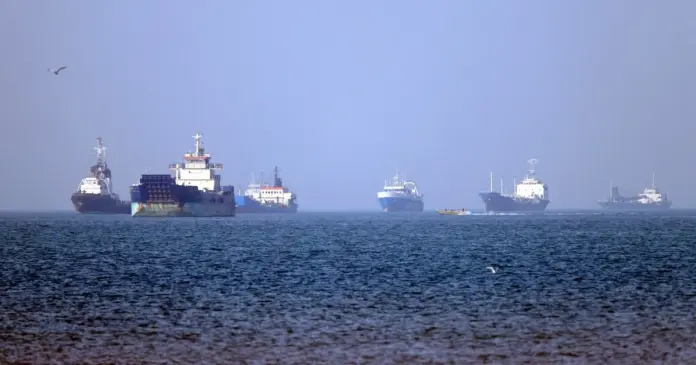
Hormuz Ceasefire Fractures — The Strait of Hormuz, one of the world’s most critical maritime chokepoints, descended into renewed violence early Friday as Iranian forces launched missiles, drones and small boats against US Navy guided-missile destroyers transiting the waterway — a confrontation that shattered a ceasefire announced just weeks earlier and deepened a humanitarian crisis affecting tens of thousands of civilian sailors.
US Central Command said Iranian forces mounted an unprovoked assault on the destroyers as they passed through the strait, prompting retaliatory strikes on Iranian military facilities including missile and drone launch sites, command and control positions, and intelligence and surveillance nodes. President Donald Trump, posting on Truth Social, said the US destroyed multiple small boats and inflicted significant damage on Iranian attackers, warning that American forces would respond ‘harder and more violently’ if Tehran did not move quickly toward a signed agreement.
‘Iran trifled with us today,’ Trump wrote, while simultaneously insisting the ceasefire he announced on April 7 remained technically in place.
Recommended Reading
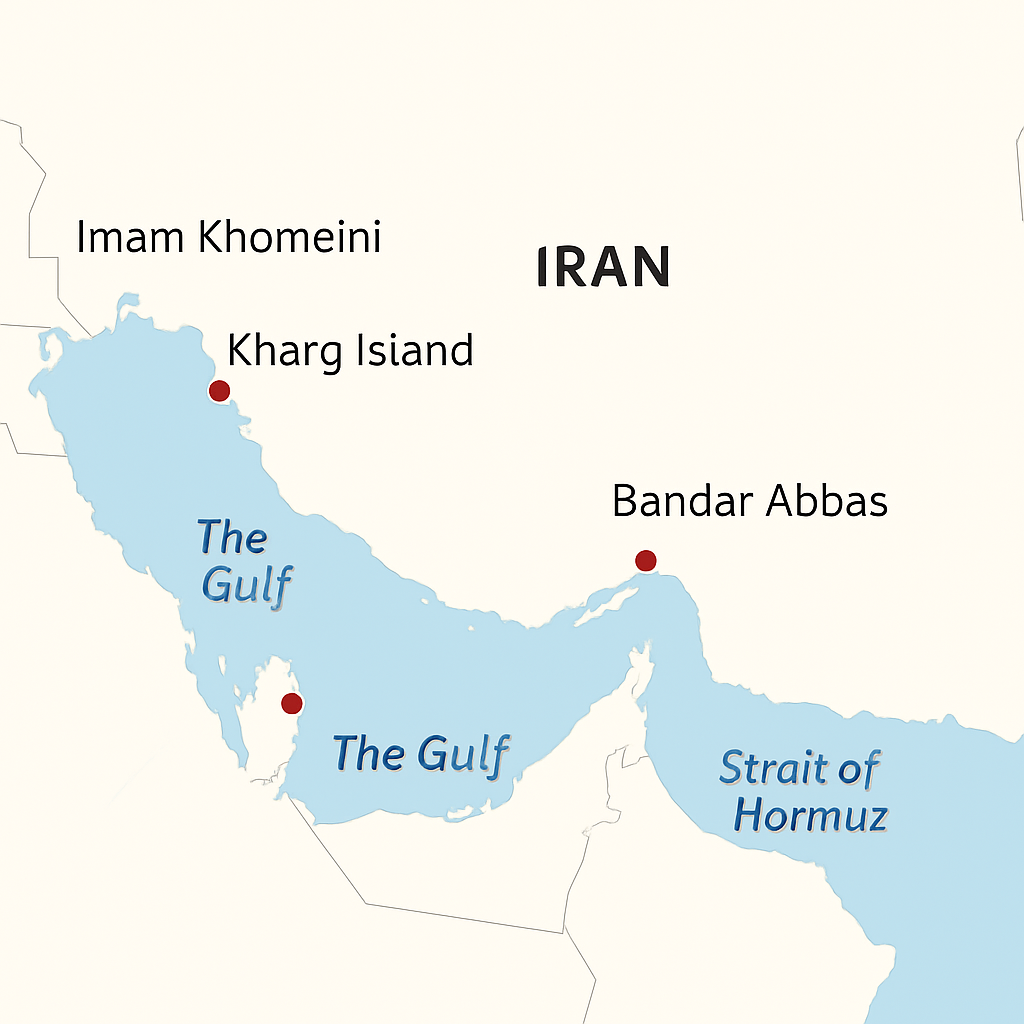
Iran’s top military command offered a sharply different account, alleging that US aerial strikes hit the coastal areas of Bandar Khamir, Sirik and Qeshm Island, and accusing Washington of violating the ceasefire. Iranian state media reported explosions in the strait, and local media described blasts heard in Tehran. The United Arab Emirates added a further dimension to the crisis when its Ministry of Defence announced early Friday that its air defences were actively engaging missiles and drones launched from Iran.
An Israeli source confirmed there was no Israeli involvement in the latest exchanges.
The flare-up came at a diplomatically sensitive moment. Iran’s foreign ministry had stated just a day before the exchange of fire that it was considering a US proposal to end the war, with a spokesman indicating Tehran would share its position with Pakistani mediators. Trump himself said on Wednesday that US officials had held ‘very good talks’ with Tehran, and a White House memorandum of understanding covering 14 points was reported to be taking shape. Trump has said in recent days he expects the conflict to end quickly.
The violence underscores how precarious that optimism remains. The war, which began when Trump launched Operation Epic Fury on February 28, has transformed one of the planet’s most vital trade corridors into a combat zone. Before hostilities began, the strait carried roughly one-fifth of global oil and gas supplies and one-third of the world’s seaborne fertiliser trade. The US blockaded Iranian ports on April 13, compounding the economic disruption.
The human toll on civilian mariners has been severe and largely overlooked. The United Nations International Maritime Organization estimates at least 10 seafarers have been killed since the war began. Iran’s merchant marine union put the Iranian death toll — including dockworkers and fishermen — at a minimum of 44 as of April 1. At least four commercial ships were fired upon in a single 24-hour period, and a container vessel operated by French shipping company CMA CGM reported coming under attack while crossing the waterway on Wednesday. Three US Navy guided-missile destroyers have also been struck by missiles, drones and small boats during strait transits.
Iran has reportedly laid sea mines across the strait, and Iranian forces have detained two foreign-flagged cargo ships along with their crews. The US Navy, in turn, captured three Iran-linked commercial vessels in the Gulf and the Indian Ocean.
Hormuz Ceasefire Fractures: Regional Implications
Approximately 20,000 seafarers remain stranded across the Gulf, their situations ranging from precarious to desperate. Among them is Anish, an Indian mariner who arrived in the Shatt al-Arab waterway on a cargo ship days before Operation Epic Fury began and has now been confined to an Iranian port for nearly 10 weeks. His contract was due to expire on May 20. He has not received wages from his Dubai-based agent in nine months.
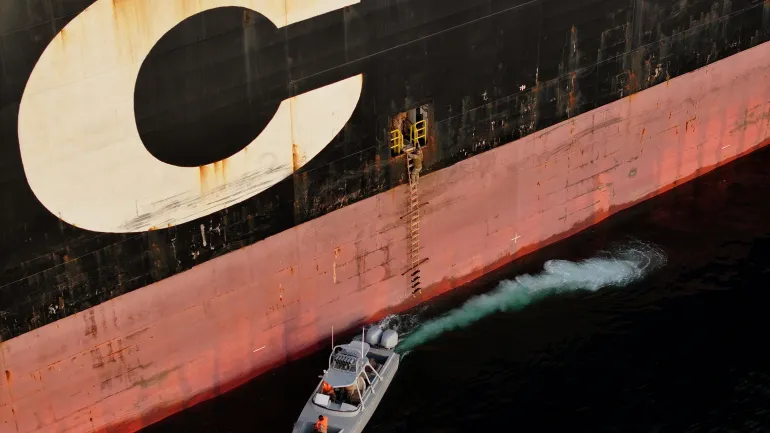
Trump announced the US would begin escorting stranded ships out of the strait from Monday, then suspended the operation less than 48 hours later. The IMO announced in late April it was developing an evacuation plan that would prioritise vessels based on humanitarian need.
The International Transport Workers’ Federation, which represents approximately 700 unions across 150 countries, has pressed for protections under the 2006 Maritime Labour Convention — an international treaty ratified by 111 nations that limits mandatory onboard service to a maximum of 12 months. Seafarers’ self-reported wellbeing, tracked through the Seafarer Happiness Index founded by Steven Jones, has fallen roughly 5 percent since the war began.
With diplomacy stalled and gunfire resuming, the fate of thousands of civilian sailors like Anish hangs on whether Washington and Tehran can convert fragile back-channel talks into a durable agreement — before the conflict claims more lives at sea.