Iran Hormuz Blockade — Iran is formally reviewing a United States peace proposal that could end the war between the two countries and Israel, reopen a critical global oil artery, and reshape the Middle East’s nuclear landscape — though deep scepticism within Tehran’s political establishment threatens to derail the effort before negotiations can fully begin.
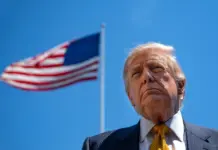
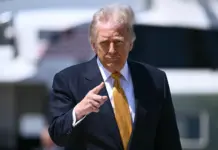
An Iranian Foreign Ministry spokesperson confirmed Tuesday that Tehran would deliver its formal response to the US document on Wednesday. President Donald Trump, expressing cautious optimism, said he believed Iran genuinely wanted an agreement, and temporarily paused a military operation known as ‘Project Freedom’ — aimed at forcibly reopening the Strait of Hormuz — citing meaningful progress in diplomatic talks.
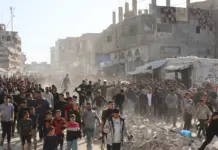
The stakes could hardly be higher. Roughly a fifth of the world’s oil and gas supply transits the Strait of Hormuz, and the de facto blockade currently in place has raised alarm among economists who warn it risks triggering a global recession. Iran imposed the blockade following US and Israeli strikes on Iranian territory beginning February 28.
Recommended Reading
The proposed memorandum, described as a 14-point document, would require Iran to agree not to develop a nuclear weapon and to suspend uranium enrichment for at least 12 years. In exchange, Washington would lift sanctions that have strangled the Iranian economy for decades and release billions of dollars in frozen Iranian assets held in foreign banks. Critically, both sides would commit to reopening the Strait of Hormuz within 30 days of signing. If a preliminary agreement is reached, a further 30-day period of detailed negotiations would follow before a comprehensive deal is finalised.
Leading the US effort are Trump’s special envoy Steve Witkoff and senior adviser Jared Kushner, with Pakistan serving as a mediating party between the two sides. The two sides are described as ‘getting close’ to agreement on the preliminary document.
Yet the proposal faces immediate resistance inside Iran. Ebrahim Rezaee, a member of the Iranian parliament, dismissed the US document as ‘more of an American wish-list than a reality.’ Parliament Speaker Mohammad Bagher Ghalibaf was more blunt, writing on social media that ‘Operation Trust Me Bro failed’ — a pointed rebuke of the diplomatic process.
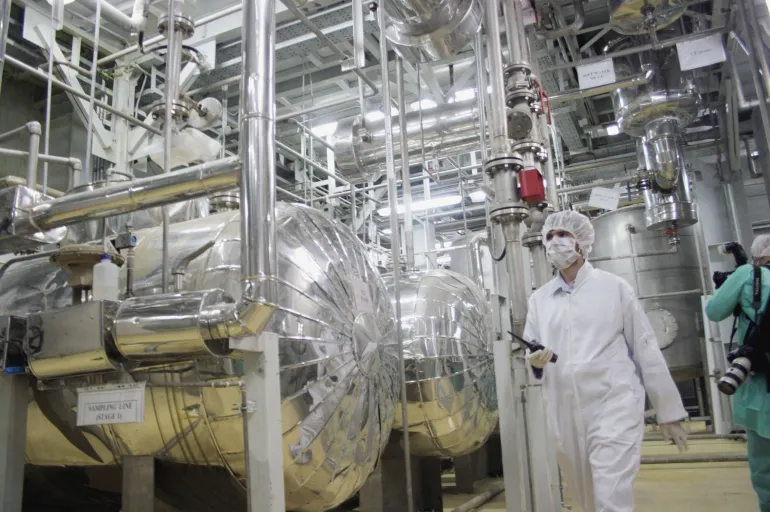
The nuclear dimension remains the most contentious fault line. Iran currently holds approximately 440 kilograms of uranium enriched to 60 percent purity — well below the 90 percent threshold required to produce a weapon, but a stockpile that has alarmed Western governments. A significant portion of that material remains buried inside nuclear sites struck by US and Israeli forces in June, during a 12-day military campaign. Trump subsequently claimed Iran’s nuclear programme had been ‘obliterated,’ though that assessment is disputed.
Israeli Prime Minister Benjamin Netanyahu added another complicating layer on Wednesday, stating publicly that he and Trump had agreed all enriched uranium must be physically removed from Iranian territory — a demand that goes further than the proposed memorandum’s enrichment freeze and one Iran is unlikely to accept easily. Tehran has consistently denied any intention to build a nuclear weapon, insisting its programme serves exclusively civilian purposes.
Iran Hormuz Blockade: Regional Implications
Former US Assistant Secretary of State Mark Kimmitt cautioned that Trump’s insistence on a complete halt to Iranian enrichment is unrealistic as a baseline demand. The 2015 nuclear agreement negotiated under President Barack Obama — which Trump unilaterally abandoned in 2018 — had permitted Iran to continue enrichment at a 3.67 percent level. Iran subsequently accelerated its programme in response to the US withdrawal, eventually reaching the current 60 percent enrichment level.
The current proposal notably leaves unresolved several key US demands, including those related to Iran’s nuclear programme beyond the enrichment freeze and long-term arrangements for the Strait of Hormuz — a deliberate deferral designed to make an initial agreement achievable, but one that critics argue simply postpones the hardest conversations.
Whether Tehran’s response on Wednesday will open the door to serious negotiations or effectively close them remains the central question. With global energy markets rattled by the Hormuz blockade and the memory of June’s military strikes still fresh, both sides face enormous pressure — and enormous incentive — to find a way forward.