Iran Hormuz Blockade — Global oil markets lurched higher on Monday as military confrontations in the Strait of Hormuz intensified, with Brent crude climbing nearly 6 percent to $114.44 a barrel — its sharpest single-day gain in months. By early Tuesday, futures had eased marginally to $113.54 as of 02:00 GMT, though traders remained on edge.
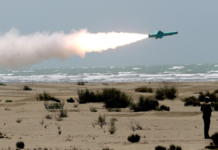
The spike followed confirmation that the United States military destroyed six Iranian small boats after they attacked commercial vessels transiting the strait. Iran denied the account, with a military source cited by the state-linked IRNA news agency rejecting claims that its vessels had been sunk. The United Arab Emirates separately reported coming under attack from Iranian missiles and drones, further inflaming a region already gripped by weeks of escalating hostilities.
The violence cast a long shadow over a fragile ceasefire between Washington and Tehran, raising fresh doubts about whether diplomatic channels can hold. Brent prices have now surged more than 50 percent since the conflict erupted in late February, and a daily production shortfall estimated at 14.5 million barrels continues to tighten global supply.
Recommended Reading
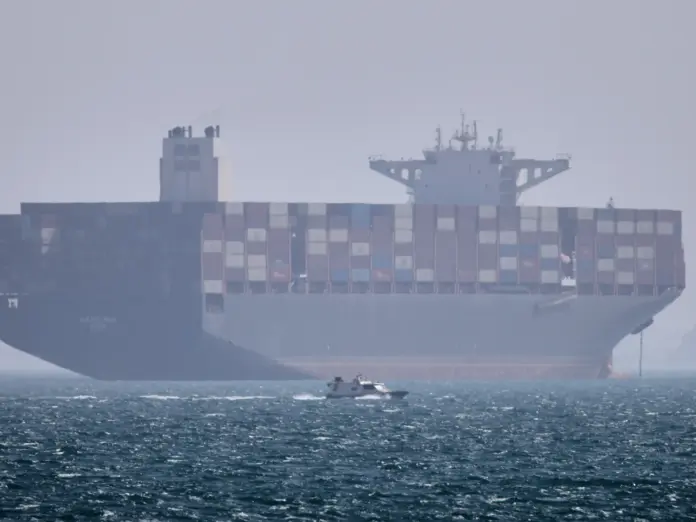
President Donald Trump moved to address the shipping paralysis on Monday, announcing that the US military would escort commercial vessels through the strait under a programme he called ‘Project Freedom’. Two US-flagged merchant ships made the crossing in the hours immediately following the announcement, a symbolic demonstration of Washington’s intent to keep the critical waterway open.
Yet the gesture did little to reassure the broader shipping industry. Stephen Cotton, General Secretary of the International Transport Workers’ Federation, said vessels should not attempt the crossing without a full and verifiable guarantee of safety — a standard he implied had not yet been met. Shipping companies have remained broadly hesitant to transit the strait amid persistent threats to crew and cargo.
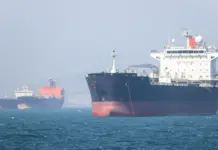
The human toll of the crisis is staggering. The International Maritime Organization warned that up to 20,000 seafarers are stranded aboard some 2,000 vessels caught in or near the strait, describing the situation as having ‘no precedent in the modern age’. United Nations Secretary-General António Guterres called for the immediate restoration of freedom of navigation, warning that the closure of the strait was choking the delivery of oil, natural gas, fertiliser, and other critical commodities to markets worldwide.
The economic consequences extend well beyond the energy sector. Analysts caution that even a negotiated settlement between the United States and Iran would not quickly unwind the damage. A backlog of unloaded cargo, degraded regional port infrastructure, and the need to clear Iranian mines from shipping lanes mean that supply disruptions — and the price pressures they generate — are likely to persist for weeks or months after any ceasefire takes hold.
Iran Hormuz Blockade: The Energy Security Dimension
June Goh, a senior oil market analyst at Sparta in Singapore, noted that the market is pricing in a prolonged period of constrained supply, with little expectation of a swift return to pre-conflict shipping volumes regardless of the diplomatic outcome.
The Strait of Hormuz, a narrow chokepoint between the Persian Gulf and the Gulf of Oman, is the world’s most critical oil transit corridor. Roughly a fifth of global petroleum supplies passes through the waterway, making any sustained disruption there a direct shock to energy markets and, by extension, to inflation and economic growth across importing nations.
Monday’s military exchange underscored just how volatile the situation remains. With Iranian forces contesting US naval operations, the UAE reporting direct strikes on its territory, and tens of thousands of sailors stranded at sea, the path toward a stable, navigable strait appears fraught — whatever Washington’s escort programme may promise.