A China-brokered ceasefire between Pakistan and Afghanistan has shattered after cross-border strikes on the eastern Afghan province of Kunar killed at least seven people and wounded 75 others, including dozens of students at a regional university, reigniting one of South Asia’s most volatile bilateral conflicts.
Taliban Deputy Spokesperson Hamdullah Fitrat said Pakistani military forces launched mortar and rocket attacks on Kunar province on Monday, describing the strikes as "grave and inexcusable war crimes, a blatant act of brutality, and a provocative action." Among the 75 wounded were students, women, and children. Afghanistan’s higher education ministry confirmed that the Sayed Jamaluddin Afghani University in Asadabad, the provincial capital, sustained extensive damage to its buildings and surroundings, with 30 of the injured identified as university students and at least one professor.
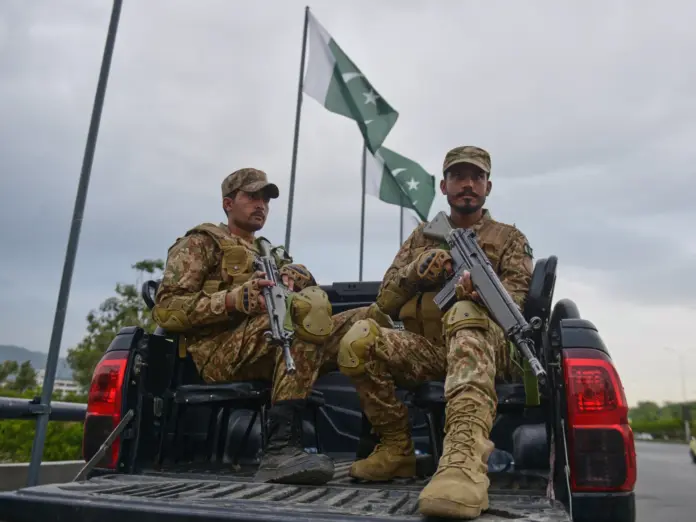
Pakistan’s Information Ministry flatly rejected the Taliban’s account of the university strike, calling it a "blatant lie," and maintained that its military operations target militant hideouts rather than civilian infrastructure. Pakistani officials separately acknowledged that at least three civilians were injured by gunfire in South Waziristan, with a Pakistani border forces spokesman describing that incident as the most serious clash since the ceasefire was declared.
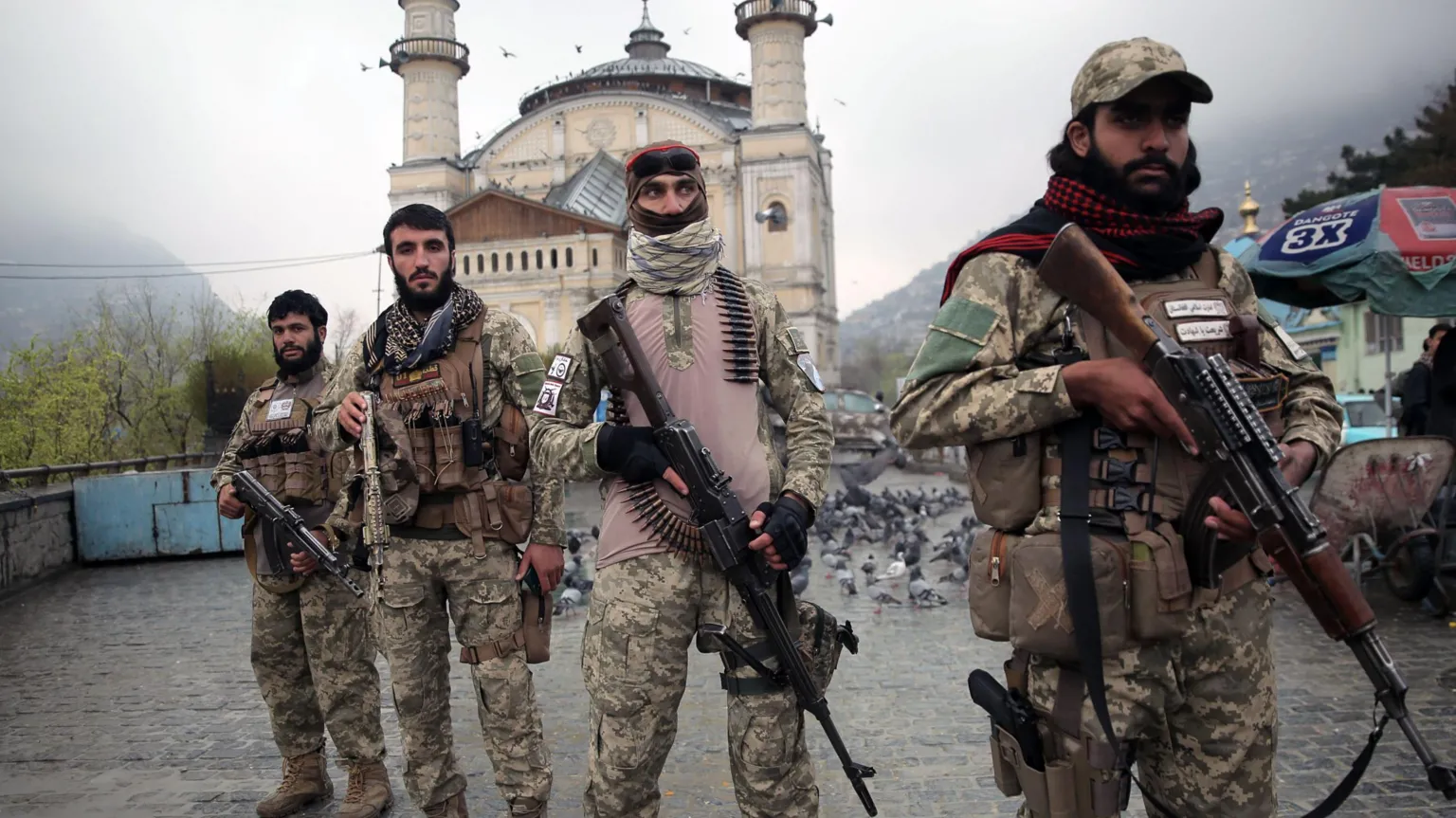
The violence erupted with particular ferocity in Asadabad. A freelance journalist and human rights activist, Matiullah Shahab, positioned roughly one kilometre from the university, reported that the attack began at approximately 14:00 local time. He witnessed crowds fleeing the town centre as explosions reverberated across the campus. An unnamed professor at the university described hearing terrifying blasts throughout the grounds. While Taliban officials attributed the strikes to mortars and rockets, separate accounts indicated that jets and drones were also deployed.
The immediate trigger for the renewed fighting appears to have been an incident near Spin Boldak on Sunday, when Taliban forces engaged Pakistani troops following the reported shooting of a child by Pakistani military personnel in the border area.
The breakdown comes weeks after a truce negotiated during the Muslim holiday of Eid al-Fitr in March brought a halt to weeks of devastating fighting. That ceasefire, mediated by China, followed a dramatic escalation in February when Afghanistan launched an operation against Pakistani military positions along the Durand Line — the 2,640-kilometre border separating the two countries — prompting Pakistan to launch air strikes on Kabul and other Afghan cities. Islamabad declared at the time that the two nations were in a state of "open war." Chinese-facilitated talks between the two sides subsequently took place in Urumqi in early April, with Beijing urging both parties to avoid further escalation.
During the ceasefire period, Taliban government leaders had deliberately refrained from public comment about Pakistan or its earlier strikes, a calculated silence aimed at preserving the fragile diplomatic process. That restraint has now ended. The renewed hostilities also follow a devastating Pakistani air strike on a drug rehabilitation centre in Kabul several weeks earlier, which the United Nations said killed 269 people — an attack that severely tested the ceasefire even before Monday’s violence.
The conflict is rooted in deep structural tensions. Islamabad has long demanded that the Taliban government dismantle the Tehreek-e-Taliban Pakistan (TTP), an armed group that has conducted regular deadly attacks inside Pakistan from bases on Afghan soil, including suicide bombings and coordinated assaults on security forces. Pakistan accuses Kabul of sheltering the TTP, a charge the Taliban categorically rejects. The Taliban, in turn, accuses Pakistan of harbouring groups hostile to Afghanistan.
Pakistan previously supported the Taliban’s rise to power but relations deteriorated sharply after the group took control of Afghanistan for a second time in 2021 and the TTP intensified its insurgency against Pakistani government forces. The border between the two countries has remained largely closed since a wave of deadly cross-border violence in October.
Regional and international actors have scrambled to contain the conflict. Turkey, Qatar, the United Arab Emirates, and Saudi Arabia have all made diplomatic efforts to halt the fighting, joining China as external mediators. Hundreds of people have been killed or wounded in cross-border clashes in recent months, and Monday’s strikes signal that the path to a durable peace remains deeply uncertain.