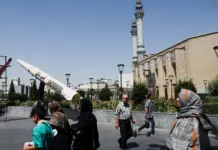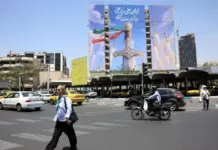
A ceasefire binding Iran, the United States and Israel edged toward expiry Wednesday with no breakthrough in sight, as Tehran refused to dispatch a delegation to Islamabad for scheduled peace talks and accused Washington of undermining the fragile diplomatic process before it could begin.
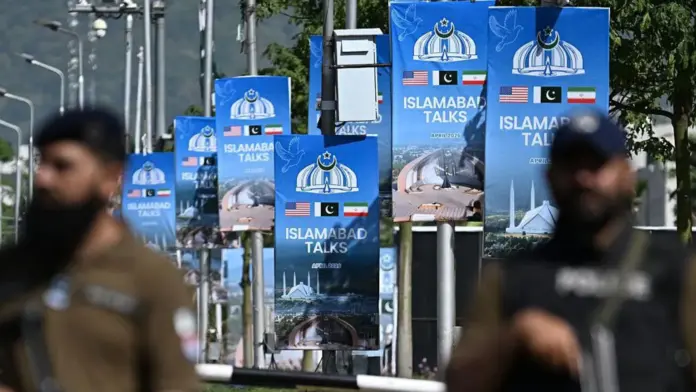
Pakistan invested considerable political capital in arranging the negotiations, sealing off sections of its capital and preparing a hotel to host the rival delegations. C-17 Globemaster transport aircraft landed at a nearby military airbase earlier in the week, signalling that American representatives had arrived. Yet the hotel remained empty. Iranian officials did not appear.
Tehran’s decision to stay away carries a pointed message. Iran accused the United States of a ‘breach of commitments’ and pointed to what it described as Washington’s ‘contradictory behaviour’ as the reason for its absence. Iranian officials stated that the country had entered negotiations twice over the past year, only to face military strikes from both Israel and the United States in the aftermath. That history, Tehran argued, made further engagement untenable without concrete guarantees.
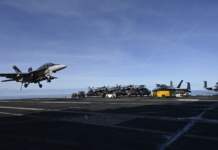
The diplomatic impasse is unfolding alongside a dangerous confrontation at sea. Both sides are engaged in what observers are calling a ‘war of blockades’ in the Strait of Hormuz, one of the world’s most strategically vital waterways through which a significant portion of global oil supplies passes. Commercial vessels are being intercepted and seized by force, raising the risk of a broader escalation that could send energy markets into turmoil and draw in additional regional actors.
President Donald Trump struck a publicly combative tone even as he left the door open to a deal. In a post on Truth Social, Trump described the Iranian regime as ‘seriously fractured’ — language that analysts noted was unlikely to encourage Tehran’s participation in talks. Trump has previously claimed credit for achieving regime change in Iran, a characterisation Iranian officials have flatly rejected. Despite the rhetoric, Trump told at least one journalist that a negotiated agreement remained possible within the next few days.
Pakistani Prime Minister Shehbaz Sharif posted on social media reaffirming Islamabad’s commitment to facilitating a negotiated settlement, underscoring how much prestige Pakistan has staked on its role as mediator. The country’s willingness to host talks between two adversaries with no direct diplomatic relations represents a significant diplomatic undertaking, and the failure of either side to engage substantively risks embarrassing Islamabad on the world stage.
The timing of the crisis adds further complexity to an already crowded international calendar. King Charles is scheduled to arrive in Washington for a state visit next Monday, and Trump has a visit to China planned for shortly afterward. Whether those engagements will create space for back-channel diplomacy — or simply distract from the urgent task of preventing the ceasefire’s collapse — remains unclear.
The ceasefire, which was due to expire Wednesday, was always considered precarious. It was reached amid intense international pressure following a period of direct military exchanges between the United States, Israel and Iran that marked a dramatic escalation of years of proxy conflict and covert operations. The agreement halted open hostilities but left unresolved the underlying disputes over Iran’s nuclear programme, regional influence and the status of US sanctions.
With the ceasefire deadline passing and the Islamabad venue still vacant, the window for diplomacy is narrowing rapidly. The Strait of Hormuz standoff alone carries the potential to trigger an economic shock felt far beyond the region. For now, Pakistan waits, the hotel sits empty, and both Washington and Tehran continue to speak past each other — one through social media posts, the other through pointed accusations of bad faith.